
Iraqi Air Force
The Iraqi Air Force operates 399 military aircraft in 2026 — 53 combat aircraft (fighter and attack jets), 213 helicopters, 24 transport aircraft, 3 drones, 99 trainers. It ranks #38 of 161 air forces worldwide, with 32 more aircraft on order.
Full inventory in 2026
26 aircraft typesIraqi Air Force
| Aircraft | Origin | Model year | Active | Δ YoY | Ordered | |
|---|---|---|---|---|---|---|
| Combat | ||||||
|
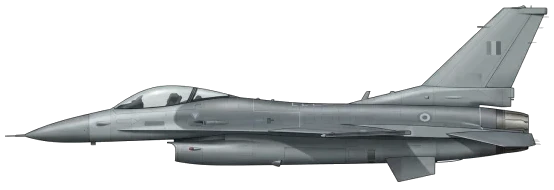
F-16C/IQ | 🇺🇸 United States | 1979 | 26 | — | — |
|
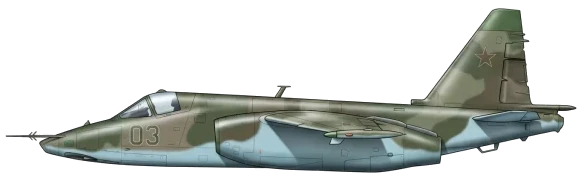
Su-25 | 🇷🇺 Ex-USSR | 1981 | 19 | -11 | — |
|
|
F-16D/IQ | 🇺🇸 United States | 1979 | 8 | — | — |
| Helicopter | ||||||
|
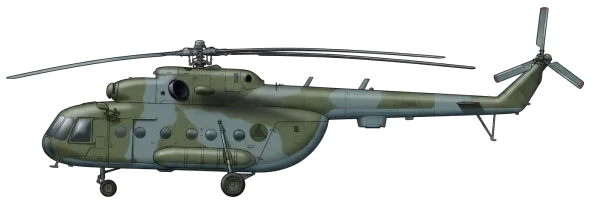
Mi-8 | 🇷🇺 Ex-USSR | 1967 | 2 | — | — |
|
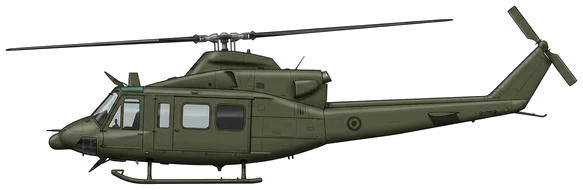
Bell 412 |
🇨🇦 Canada 🇺🇸 United States |
1981 | — | — | +12 |
| Transport | ||||||
|
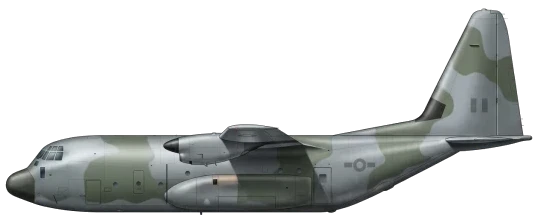
C-130J | 🇺🇸 United States | 1956 | 6 | — | — |
|
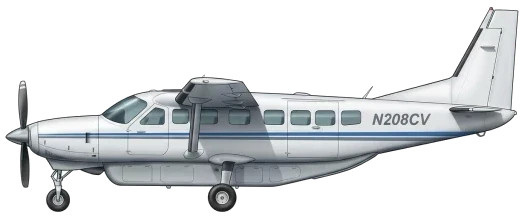
Cessna 208 | 🇺🇸 United States | 1984 | 6 | — | — |
|
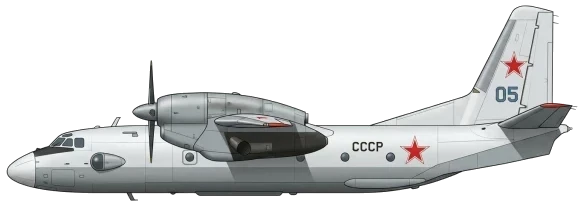
An-32 | 🇺🇦 Ukraine | 1982 | 5 | — | — |
|
|
C-130E | 🇺🇸 United States | 1956 | 3 | — | — |
|
|
AC-208 | 🇺🇸 United States | 1984 | 2 | — | — |
|
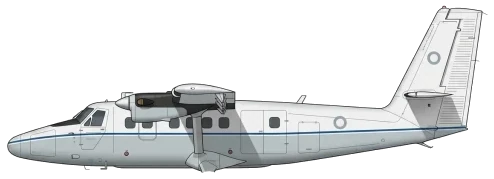
DHC-6 | 🇨🇦 Canada | 1966 | 2 | — | — |
| Training | ||||||
|
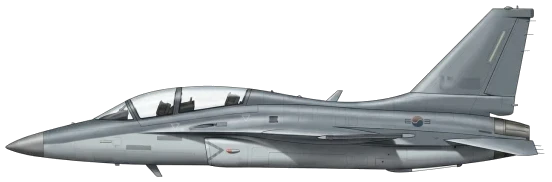
T-50IQ | 🇰🇷 South Korea | 2005 | 24 | — | — |
|
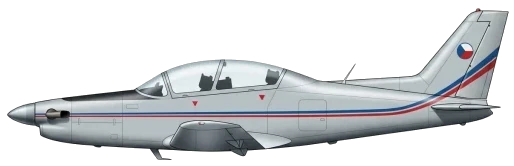
Lasta 95 | 🇷🇸 Serbia | 2010 | 19 | — | — |
|
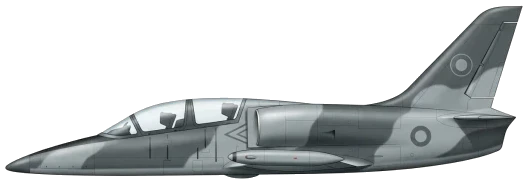
L-39 | 🇨🇿 Czechia | 1972 | 16 | — | — |
|
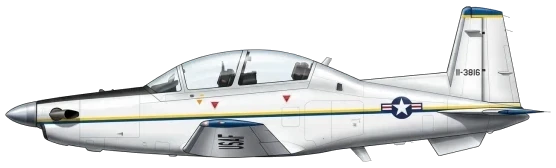
T-6A | 🇺🇸 United States | 2001 | 15 | — | — |
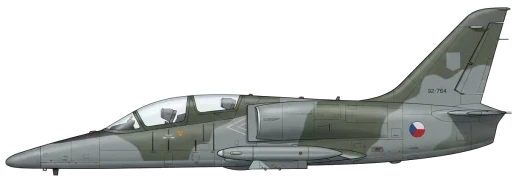
|
L-159A | 🇨🇿 Czechia | 2000 | 13 | +4 | — |
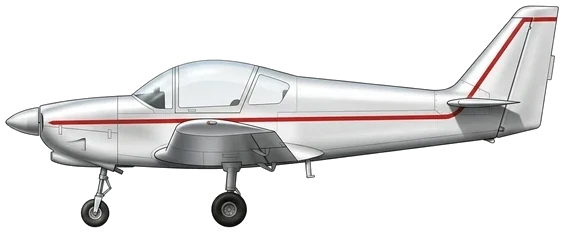
|
CH2000 | 🇨🇦 Canada | 1995 | 7 | — | — |
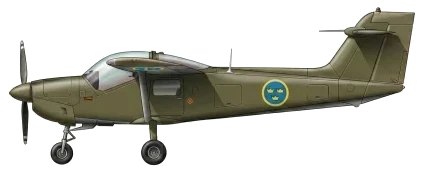
|
MFI-395 | 🇸🇪 Sweden | 1972 | 4 | -4 | +8 |
|
|
L-159T1 | 🇨🇿 Czechia | 2000 | 1 | — | — |
| Other | ||||||
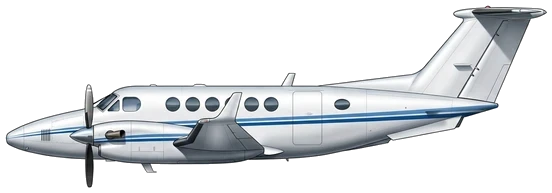
|
King Air 350 | 🇺🇸 United States | 1990 | 7 | — | — |
Iraqi Army Aviation Command
| Aircraft | Origin | Model year | Active | Δ YoY | Ordered | |
|---|---|---|---|---|---|---|
| Helicopter | ||||||
|
|
Mi-8/171 | 🇷🇺 Ex-USSR | 1967 | 41 | — | — |
|
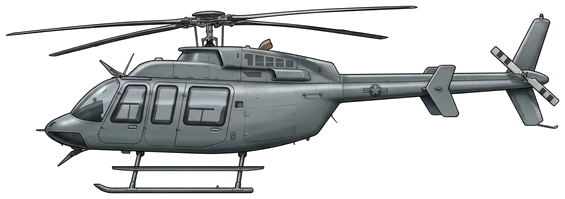
Bell 407 | 🇺🇸 United States | 1996 | 40 | — | — |
|
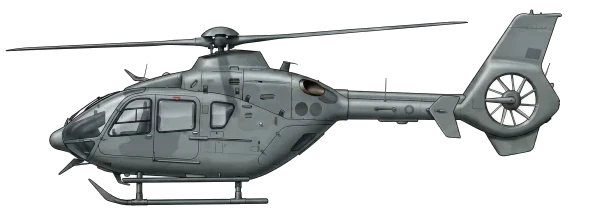
H135 | 🇫🇷 France | 1996 | 24 | +4 | — |
|
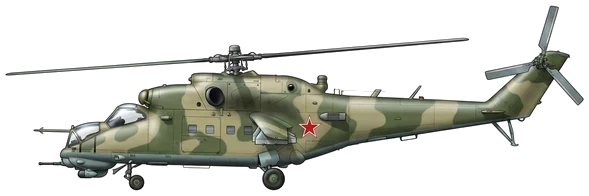
Mi-35 | 🇷🇺 Russia | 1972 | 22 | — | — |
|
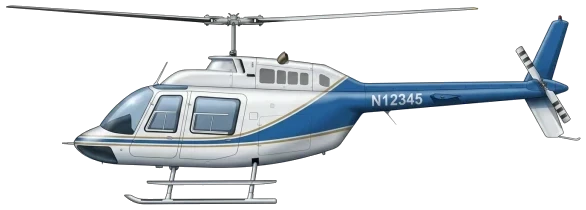
Bell 206 | 🇺🇸 United States | 1967 | 20 | — | — |
|
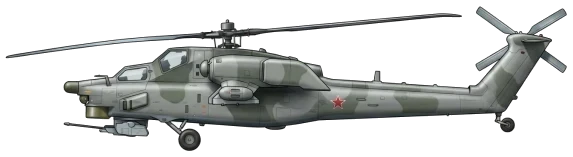
Mi-28 | 🇷🇺 Ex-USSR | 2006 | 17 | — | — |
|
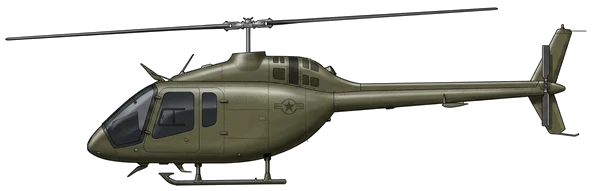
Bell 505 | 🇺🇸 United States | 2017 | 15 | +8 | — |
|
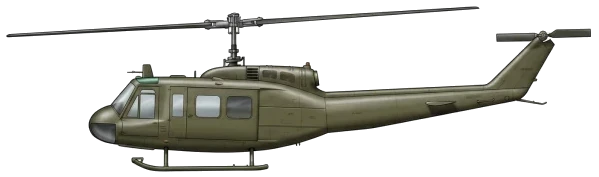
UH-1H | 🇺🇸 United States | 1959 | 15 | — | — |
|
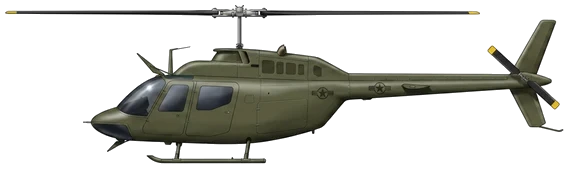
OH-58 | 🇺🇸 United States | 1969 | 9 | — | — |
|
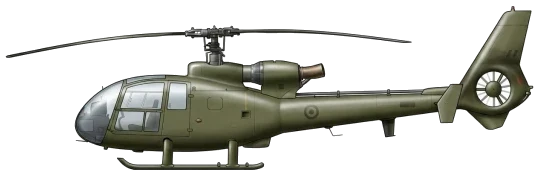
SA342 | 🇫🇷 France | 1971 | 6 | +2 | — |
|
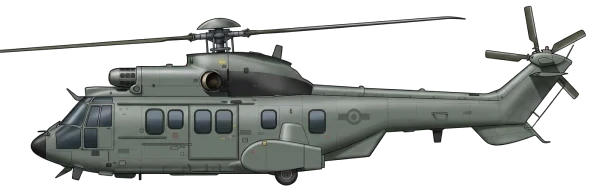
H225M |
🇩🇪 Germany 🇫🇷 France |
2005 | 2 | +2 | +12 |
| UAV | ||||||
| CH-5 | 🇨🇳 China | 2015 | 3 | +3 | — | |
Overview
The Iraqi Air Force (IqAF) is a force in a continuous state of redevelopment, structured under the Iraqi Ministry of Defence with its headquarters in Baghdad. Its organization is centered around key operational bases such as Balad and Tikrit. The force is composed of various squadrons for fighter, attack, transport, and reconnaissance roles. The command structure also includes an Air Defense Command and the Army Aviation Command, which are integral parts of the overall armed forces.
Doctrinally, the IqAF has been heavily influenced by its training with the United States, emphasizing tactical support for ground forces. This is reflected in its operational focus, which in recent years has been almost exclusively on counter-insurgency operations against ISIS. These engagements have honed its skills in close air support, as well as intelligence, surveillance, and reconnaissance (ISR). The IqAF has demonstrated a growing capacity to conduct independent strikes against militant targets, although often in coordination with coalition partners.
The operational capabilities of the IqAF are shaped by a diverse inventory of aircraft. Precision strike missions are primarily handled by F-16IQ Viper jets, complemented by Su-25 Frogfoot attack aircraft and L-159 ALCA light combat aircraft. Armed AC-208 Caravan turboprops also play a significant role in ISR and light attack missions. However, the force has faced persistent challenges with the operational readiness of its F-16 fleet, stemming from maintenance and logistical issues, which has sometimes necessitated reliance on other platforms.
To address existing limitations and expand its capabilities beyond counter-insurgency, the IqAF is pursuing several modernization paths. A significant potential development is the negotiation for the acquisition of Rafale fighter jets from France. This indicates a strategic aim to build a more balanced and self-reliant air force. Iraq has also invested in its unmanned aerial vehicle (UAV) capabilities for surveillance and future combat roles. Pilot training programs are being enhanced through the acquisition of T-50 advanced trainers from South Korea, signaling a long-term investment in human capital.
Frequently Asked Questions
How many aircraft does Iraq have?
How does Iraq's air force rank globally?
How many combat aircraft does Iraq operate?
How many military helicopters does Iraq have?
What is the AIRS Index score of Iraq?
Where does Iraq get its military aircraft from?
- SEP 262026 Updated Logged 1 fleet event from 2025: 1 delivery
- SEP 232026 Updated Mi-35M attack helicopters now linked to the Mi-35M page.
- SEP 232026 Updated CH-5 Rainbow UAVs added to the Iraqi Army Aviation Command's order of battle
- SEP 232026 Updated H225M order updated; Bell 412 helicopters added on order
- SEP 82026 Updated Logged 1 order from 2024
- SEP 32026 Updated Bell 412 fleet now linked to its own type page instead of the UH-1 Iroquois
- AUG 292026 Updated King Air 350 fleet entry linked to its aircraft page