China Has 1,022 Combat Aircraft Flying in 19 Foreign Air Forces, and Half Are 1950s Designs
Uzbekistan confirmed its first J-10CE fighters on August 28 and Bangladesh moved toward a $2.3 billion order for 20 more; GlobalMilitary.net inventories show China's exported combat fleet still rests on 495 MiG derivatives designed in the 1950s and 1960s.
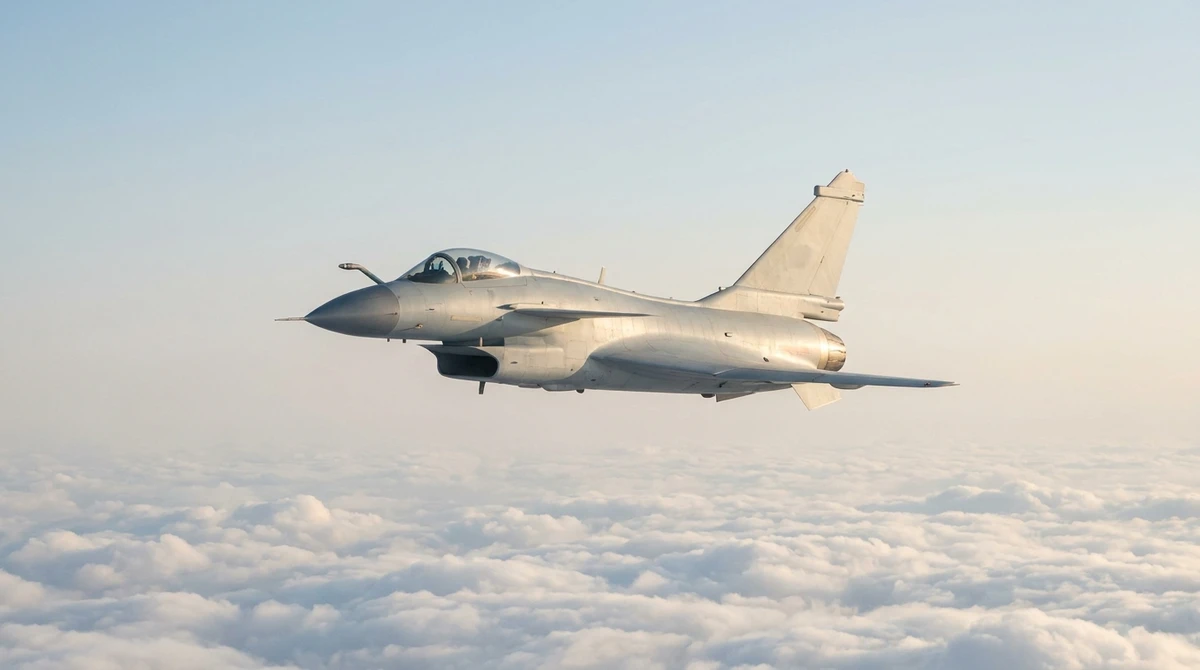
Two Chinese fighter deals broke within four days at the end of August. Uzbekistan confirmed on August 28 that it had taken delivery of at least six J-10CE fighters, shown landing at Karshi-Khanabad in an Independence Day broadcast on state television, and Bangladesh moved on August 25 toward a $2.302 billion contract for 20 of the same type. Reported separately, the two announcements look like straightforward proof that China has arrived as a fighter exporter. The inventories tell a more complicated story.
Counting every combat aircraft of Chinese origin flying outside China, the 2026 inventories recorded on this site total 1,022 airframes in 19 air forces. Only 191 of them, 19 percent, are of a design that entered service after 2000. Nearly half, 495 aircraft, are derivatives of Soviet fighters drawn up in the 1950s and 1960s.
The single largest line is the JL-8, the armed trainer known abroad as the K-8, with 336 aircraft across 15 air forces and 24 more on order; Egypt alone flies 118. Behind it come two museum pieces still on strength. The J-5 Fresco, China's copy of the MiG-17 and a design that entered service in 1957, accounts for 241 aircraft, all of them in North Korea. The J-7 Fishcan, the MiG-21 copy that entered service in 1966 and turns 60 this year, is the most widely spread of all with 214 aircraft in 11 air forces, from Pakistan and Bangladesh to Sudan, Tanzania, Zimbabwe and Namibia. The Q-5 Fantan attack aircraft adds 40 more in Myanmar and Sudan.
Modern Chinese hardware is concentrated almost entirely in one country. The JF-17 Thunder, co-developed with Pakistan, accounts for 171 aircraft, of which 156 are Pakistani; Myanmar has seven, Azerbaijan five and Nigeria three. Until this month the J-10 had exactly one export operator, Pakistan, with 20 aircraft and 16 on order. That is what makes the two new customers significant: they are the first additions to a very short list.
Both buyers are replacing Soviet or Chinese hardware, not Western hardware. Uzbekistan's combat fleet of 76 aircraft is entirely Soviet in origin, built around 38 MiG-29, 25 Su-27 and 13 Su-25; the J-10CE is the first non-Soviet fighter the country has ever fielded, and the first Chinese fighter in Central Asia. Bangladesh's 79 combat aircraft are older still: 35 J-7s with six more on order, twelve FT-7 and nine FT-6 trainers, and eight MiG-29s. In both cases the J-10 does not displace a competitor so much as fill a gap left by the end of cheap Russian supply.
The comparison readers reach for is the American one, and the type has a head-to-head with the F-16 on this site. But the more revealing number is the export base itself. Against roughly 1,022 Chinese-built combat aircraft abroad, the F-16 alone is flown by more than two dozen air forces. China's fleet is large, widely distributed and, for now, mostly obsolete.
Neither Tashkent nor the Chinese manufacturer has announced a contract for the Uzbek aircraft; earlier reporting pointed to an order of up to 24. The Bangladeshi agreement remains a draft rather than a signature, and it forms part of a wider re-equipment plan that also covers Turkish helicopters. Both will take years to show up as a meaningful shift in the numbers above.
More News
All news →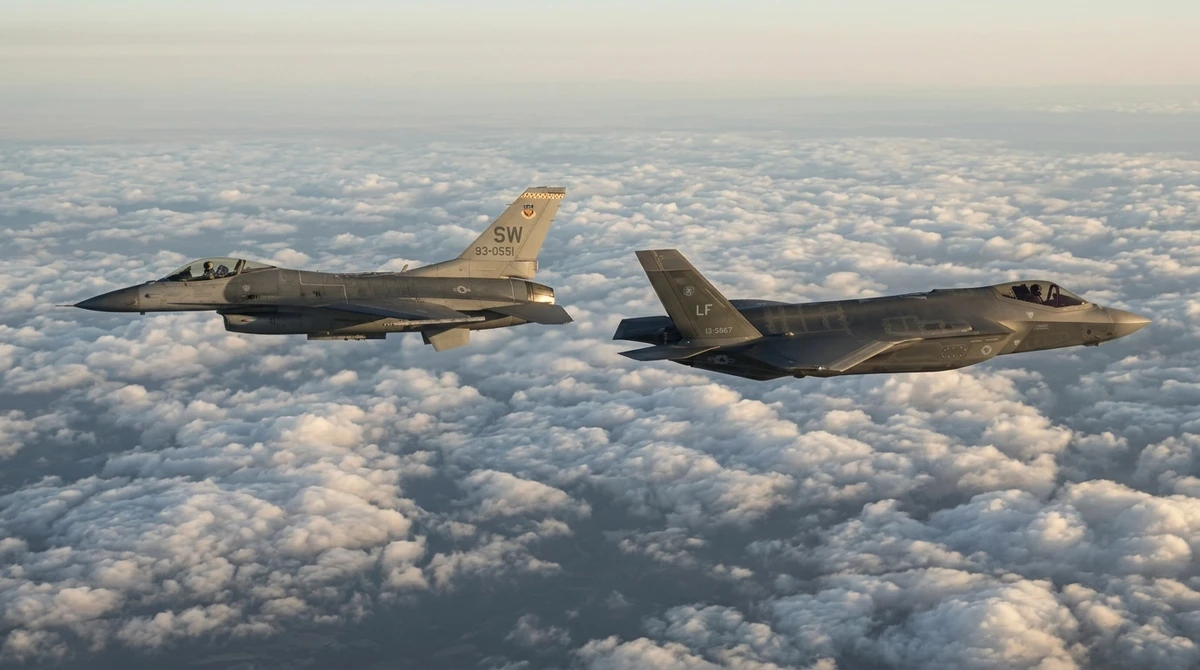
US Air Force Wants 1,509 Combat-Coded Fighters by 2035 as F-35 Share Rises to About 40%
The US Air Force told Congress on October 16, 2026 that it needs 1,509 combat-coded fighters by 2035; GlobalMilitary.net sets the report's approximate type shares against its own count of 1,816 USAF F-16s, F-35As, F-15s and F-22s.
New Zealand's MH-60R Order Makes 15 Seahawk Operators; the SH-2 Seasprite Is Down to Three
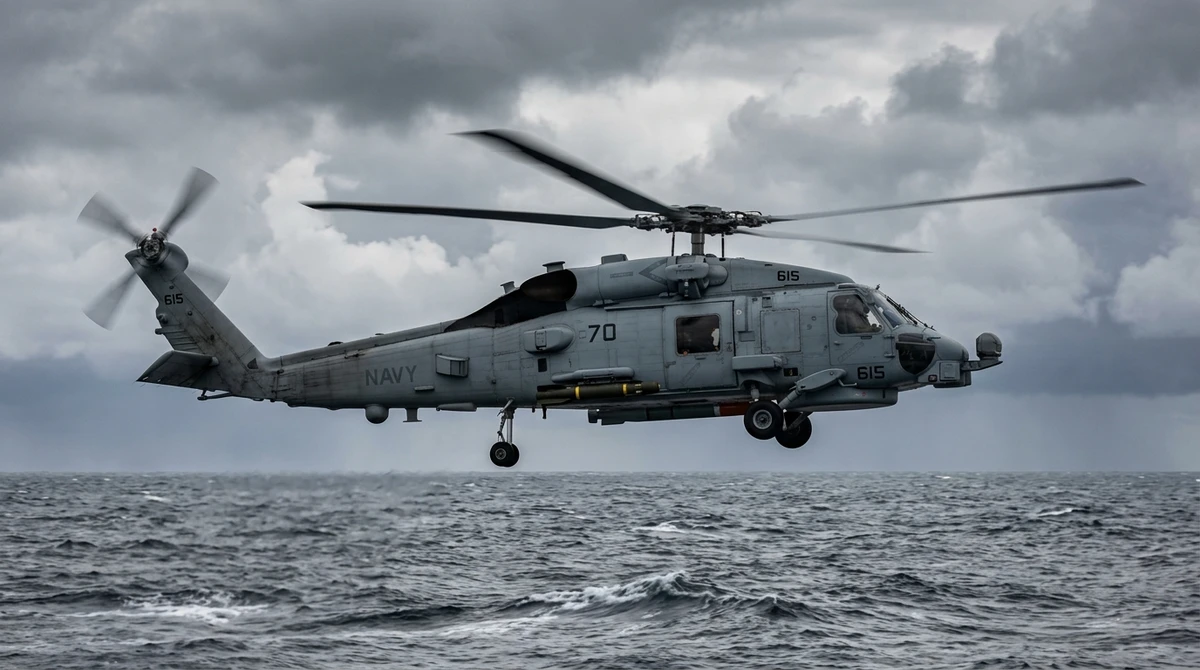
New Zealand signed on 16 October to buy five MH-60R Seahawks, delivered from 2030, to replace its five SH-2G Super Seasprites, bringing the naval Seahawk family to 15 operators in GlobalMilitary.net's data while the Seasprite is left with 17 helicopters and three operators.
France Studies Keeping Charles de Gaulle Past 2038 as 24 Carriers Serve in Nine Navies
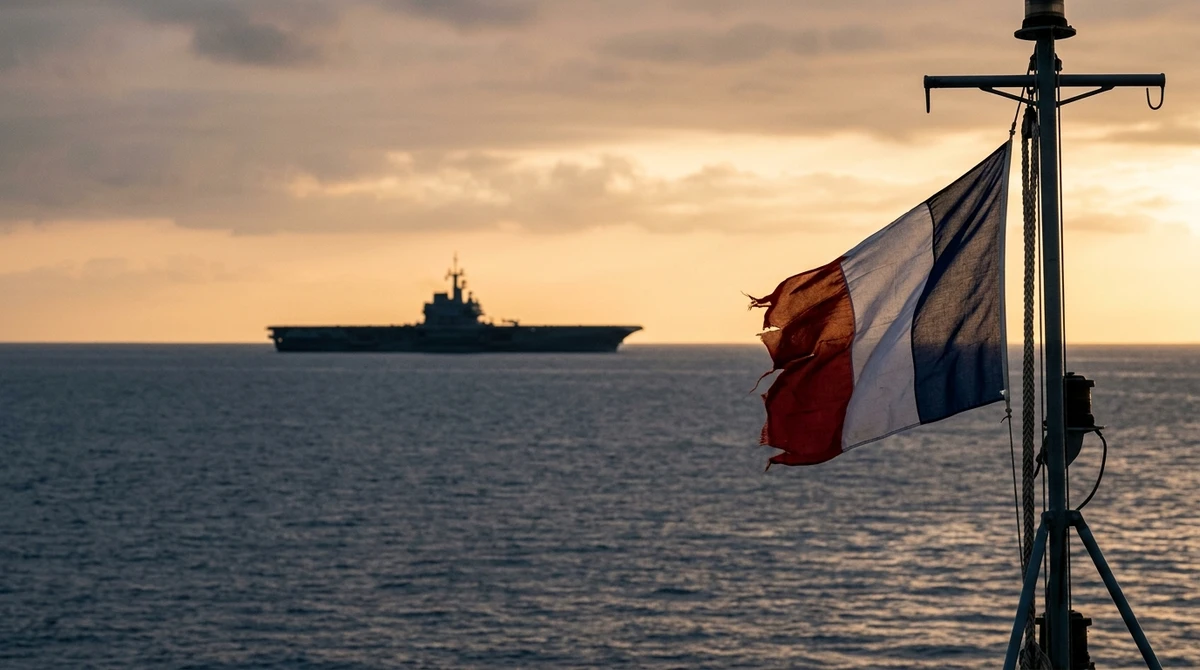
The French Navy's chief of staff told lawmakers on October 14 that studies due in early 2029 will decide whether the nuclear-powered Charles de Gaulle can sail on after its planned 2038 retirement, which would give France two carriers for the first time since the late 1990s.
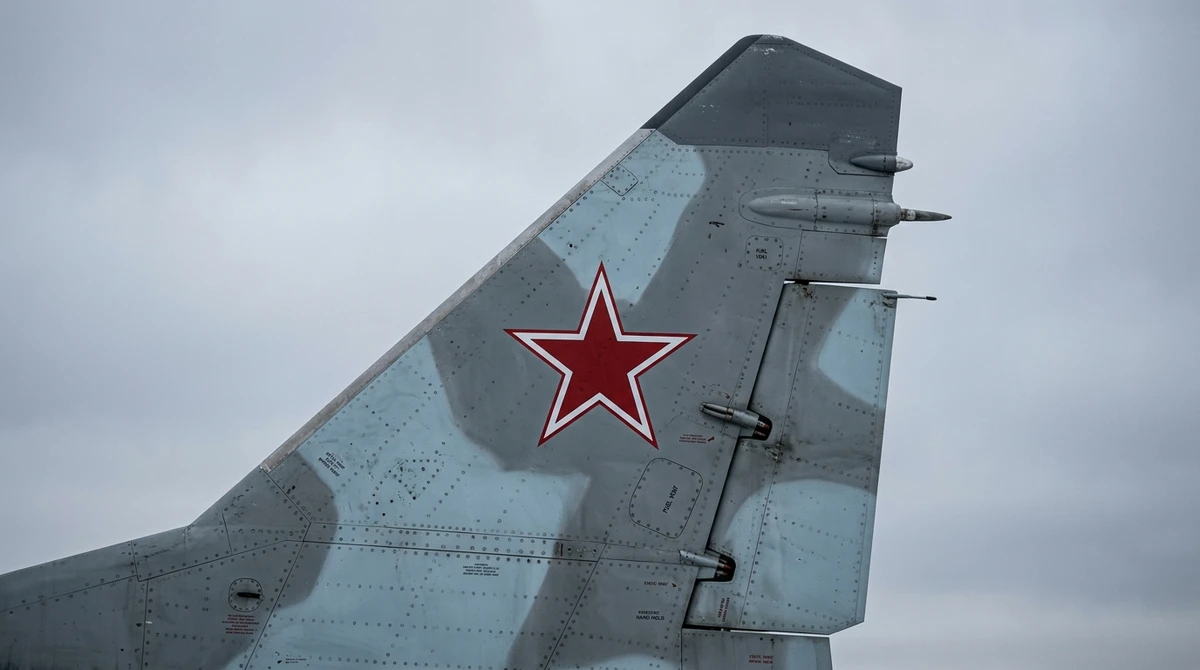
Su-34 Fullback Is the Combat Jet Russia Has Lost Most Often Since 2022, With 37 Airframes in GMN's Log
GlobalMilitary.net's log of documented losses records 37 Russian Su-34 airframes lost since February 2022, more than any other fixed-wing combat aircraft, as the destruction of a Fullback at Khanskaya Air Base on October 4 and a new delivery batch on October 7 bracket the latest week.
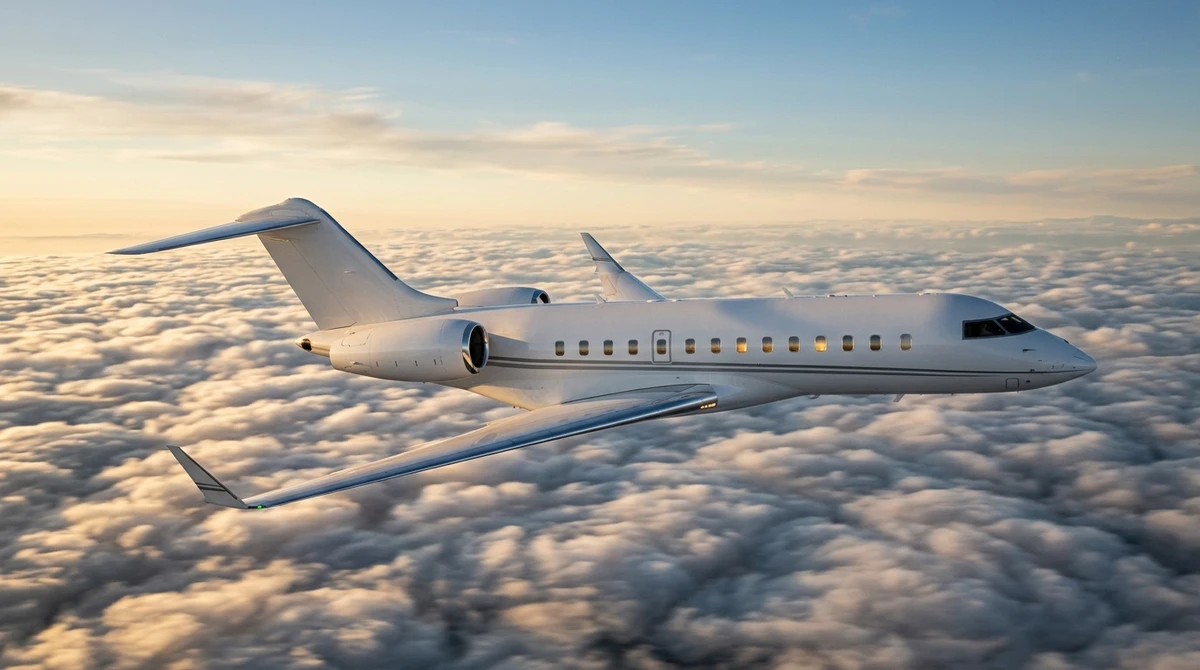
Bombardier Global Express Turns 30 With More Military Jets on Order Than in Service
Thirty years after its first flight from Toronto on October 13, 1996, the Bombardier Global Express has become a platform for military special-mission aircraft, and GlobalMilitary.net's inventory data now counts more Global-based military aircraft on order than in service.
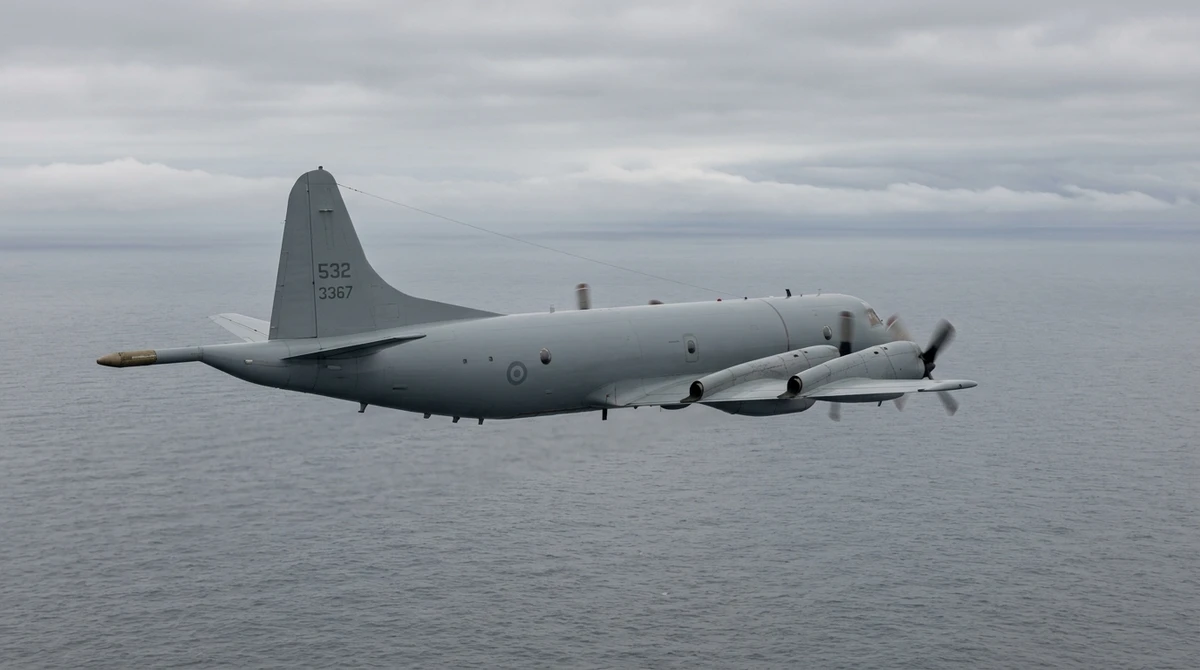
P-3 Orion Fleet Down to 101 Aircraft in 12 Countries, Roughly Half Its 2022 Size
GlobalMilitary.net's inventory data counts 101 P-3 Orions in military service across 12 countries, down from 211 in 16 countries in its 2022 snapshot, as US agencies retire special-mission Orions and Japan draws down the largest remaining fleet.