US Navy Reveals the AIM-424 Malice, a 463 km Air-to-Air Missile to Close the Gap With China
The US Navy disclosed the Raytheon-built AIM-424 Malice at the Tailhook symposium in Reno on 22 August 2026: a 1,500-pound two-stage weapon credited with more than 250 nautical miles of reach, destined for the Super Hornet, the F-35C and the future F/A-XX.
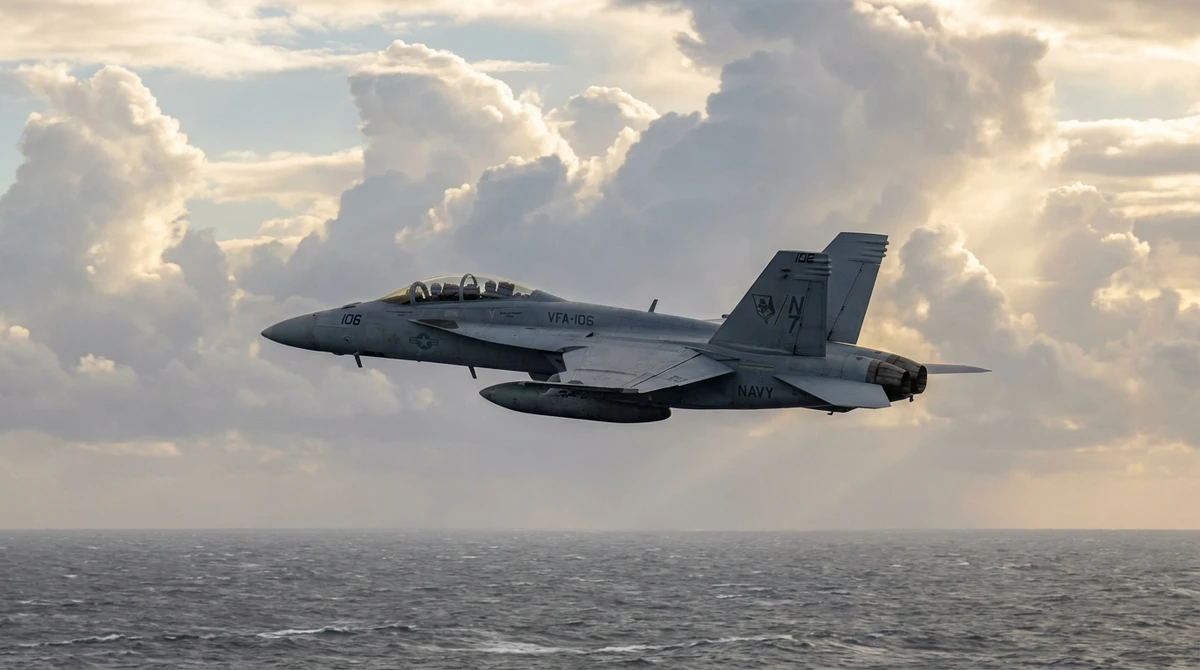
The US Navy publicly acknowledged a new very-long-range air-to-air missile, the AIM-424 Malice, at the Tailhook Association symposium in Reno, Nevada, on 22 August 2026. Built by Raytheon, it is credited with a reach "in excess of 250 nautical miles" — more than 463 kilometers — and is intended to arm the F/A-18E/F Super Hornet, the F-35C Lightning II and the F/A-XX carrier fighter the service has yet to award.
The weapon is unusually large for its class. Figures released at the symposium put it at 13.5 feet long and roughly 1,500 pounds, about three times the mass of an AIM-120 AMRAAM, with a two-stage solid-propellant rocket motor and a blast-fragmentation warhead. Photographs circulating since April 2026 had already shown the round carried externally by a Super Hornet and loaded inside an F-35C weapons bay, which fixed its dimensions well before the Navy said anything about it.
The stated purpose is blunt: closing the air-to-air missile gap with China. The targets named are not fighters alone but the enablers behind them — airborne early-warning aircraft, tankers and electronic-warfare platforms that a shorter-ranged missile cannot reach without pushing the launching fighter into defended airspace.
That gap is visible in GlobalMilitary.net's own missile data. Ranked on published maximum range, the longest-reaching air-to-air weapons on record are:
- PL-17 — 400 km, in Chinese service since 2022
- R-37 — 400 km, Russian, in service since 2019
- PL-15 — 300 km, China's standard long-range round since 2016
- Meteor — 200 km, the European ramjet weapon
- AIM-260 JATM — around 200 km, still in development
Against that field, a weapon quoted above 463 km would sit at the top of the longest-range missiles ranking by some margin. It would also mark a return to a capability the US Navy gave up in 2004, when the 190 km AIM-54 Phoenix was withdrawn, two years ahead of the F-14 that carried it, leaving the fleet with nothing longer-legged than the AMRAAM, whose 105 km is exceeded by the J-16 and J-20 carrying PL-15s.
Much about the Malice remains undisclosed. The Navy has not said what seeker it uses, how it is cued at those distances, whether it has secondary anti-surface or anti-ballistic modes, or when it enters service. The published figures may themselves be approximate: The War Zone noted the specifications could have been rounded or shaded for counter-intelligence reasons. Nor is the relationship with the Air Force's AIM-260 clear, a program that has run in near-total secrecy since 2017 and was expected to be the next US air-to-air missile in the field.
What the reveal does settle is that the internal bays of the F-22-generation fighters are no longer the binding constraint on American missile size: at 1,500 pounds, the Malice trades magazine depth for reach, and the Navy has evidently decided that is the right trade for the western Pacific.
More News
All news →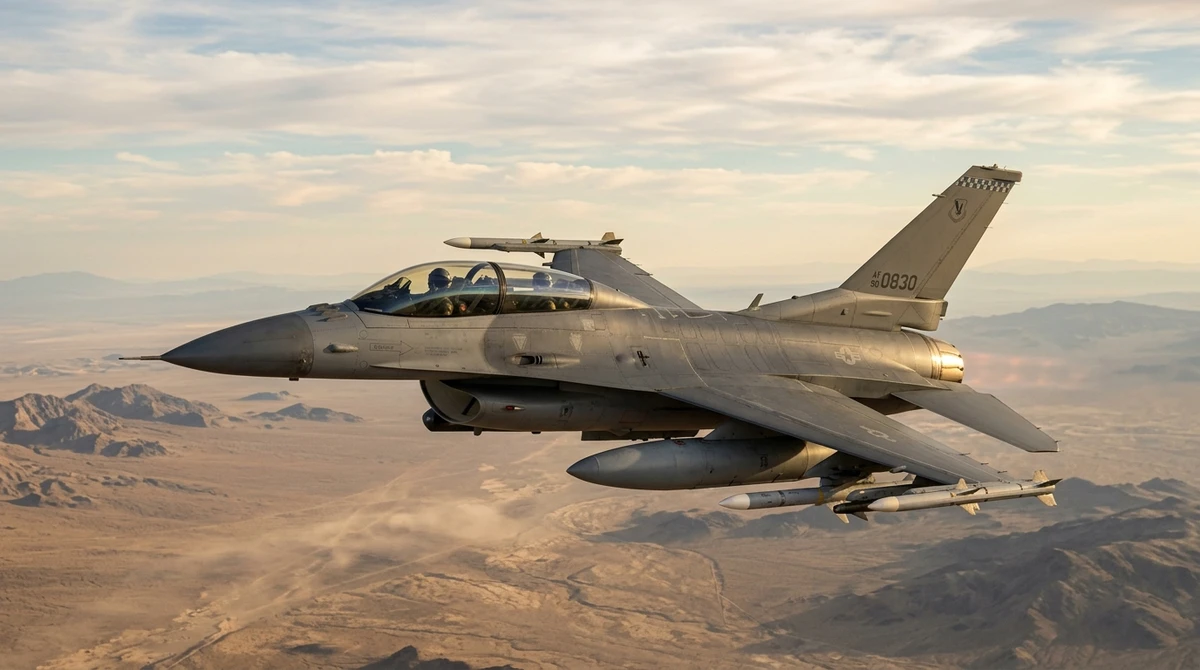
Morocco's First F-16 Block 72 Makes Maiden Flight, the First Pratt & Whitney-Powered Viper to Fly
Lockheed Martin said on October 6 that the Royal Moroccan Air Force's first F-16 Block 72, a two-seat F-16D, had flown from its Greenville, South Carolina, plant, the first flight of the Pratt & Whitney-engined version of the latest-generation Fighting Falcon.

First HACM Hypersonic Cruise Missile Flight Test Unit Released Over Australia
The U.S. Air Force says a Hypersonic Attack Cruise Missile flight test unit was released by the Royal Australian Air Force over an Australian test range, without disclosing the date, the launch aircraft or whether the scramjet-powered weapon achieved powered flight.

Spain Selects Airbus A321 as Platform for Three SIGINT Aircraft in €436M Program
Spain has chosen the Airbus A321 as the platform for three signals-intelligence aircraft for the Spanish Air and Space Force, restoring a dedicated airborne SIGINT capability the country has lacked since its Boeing 707 was retired in 2014.
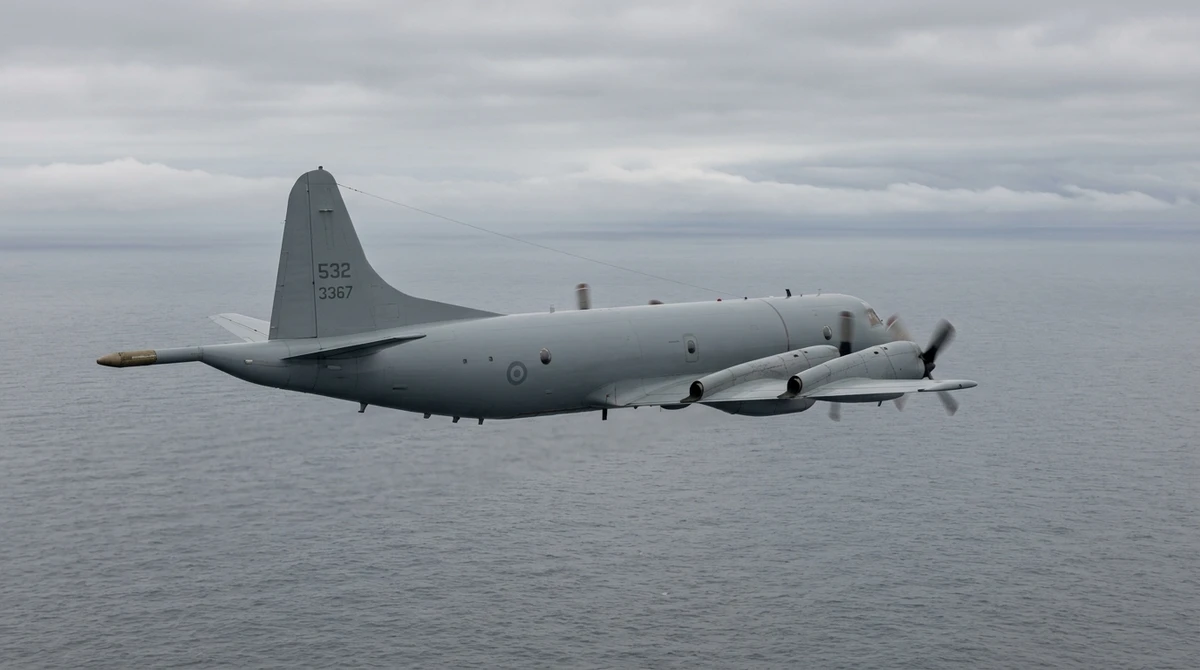
P-3 Orion Fleet Down to 101 Aircraft in 12 Countries, Roughly Half Its 2022 Size
GlobalMilitary.net's inventory data counts 101 P-3 Orions in military service across 12 countries, down from 211 in 16 countries in its 2022 snapshot, as US agencies retire special-mission Orions and Japan draws down the largest remaining fleet.

Northrop Grumman's YFQ-48A Talon Blue Completes First Fully Autonomous Flight at Mojave
Northrop Grumman said on October 3, 2026 that its company-funded YFQ-48A Talon Blue had taxied, taken off, maneuvered and landed without pilot input at Mojave, California, as the US Air Force prepares to select designs for Increment 2 of its Collaborative Combat Aircraft program.
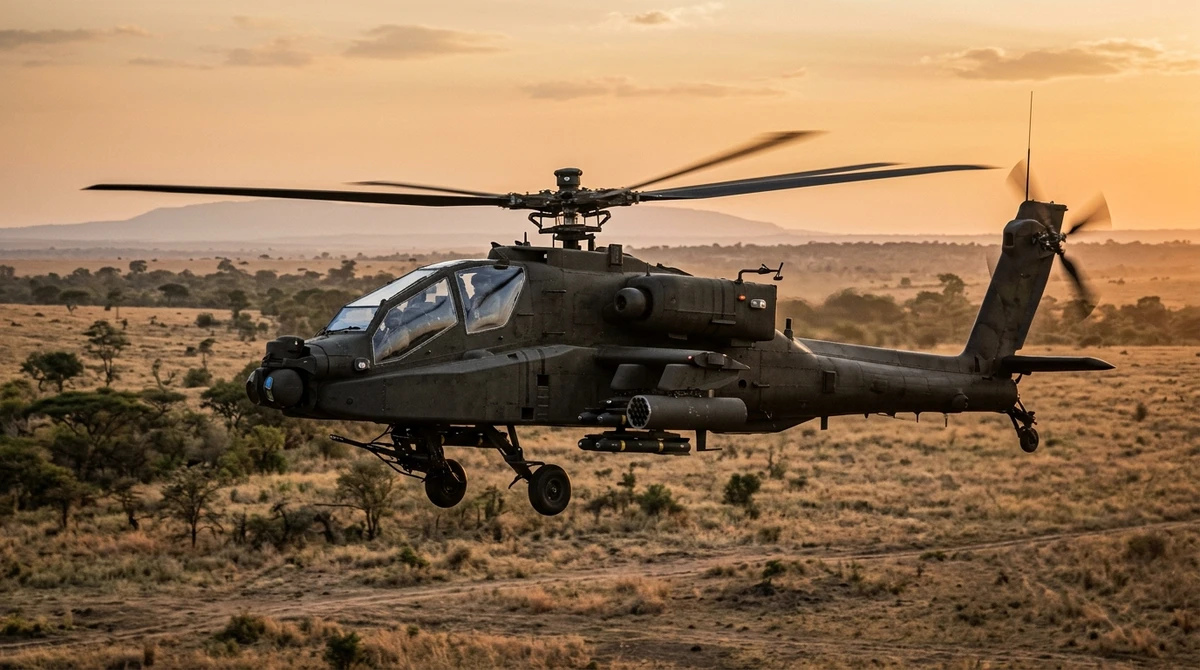
Australia Retires Its Tigers, Leaving Three Operators Among the World's 3,623 Attack Helicopters
The Australian Army has retired its Tiger attack helicopters, marking the fleet's sundown in Darwin on 30 September and leaving France, Germany and Spain as the only users; GlobalMilitary.net data counts 3,623 active attack helicopters in 81 countries.