
Israeli Air Force
The Israeli Air Force operates 526 military aircraft in 2026 — 263 combat aircraft (fighter and attack jets), 130 helicopters, 16 transport aircraft, 12 drones, 66 trainers. It ranks #11 of 162 air forces worldwide, with 124 more aircraft on order.
This country is currently involved in the "2026 Iran Conflict". Follow aircraft and naval losses in real time on our dedicated tracker.
-
JUN 142026
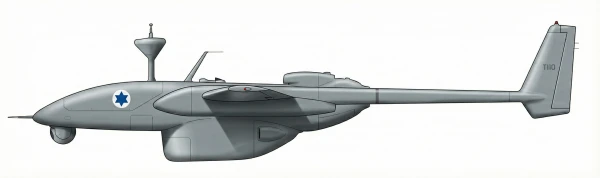 Heron
Shot down
Shot down by Hezbollah over the Beqaa Valley in northeastern Lebanon.
Heron
Shot down
Shot down by Hezbollah over the Beqaa Valley in northeastern Lebanon.
-
MAY 272026
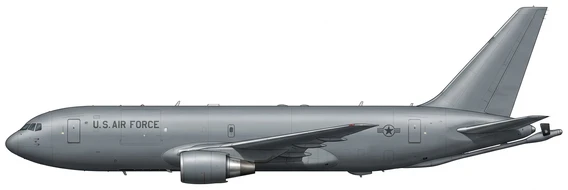 KC-46A
Delivered
Israel takes delivery of its first KC-46A Pegasus, locally named Gideon.
KC-46A
Delivered
Israel takes delivery of its first KC-46A Pegasus, locally named Gideon.
-
APR 302026
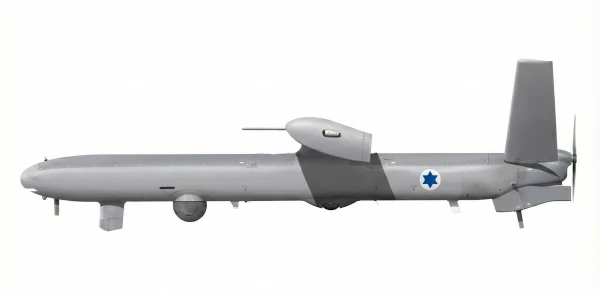 Hermes 450
Shot down
Shot down by a Hezbollah surface-to-air missile over Nabatieh; the IDF confirmed the loss.
Hermes 450
Shot down
Shot down by a Hezbollah surface-to-air missile over Nabatieh; the IDF confirmed the loss.
-
APR 242026
Hermes 450
Shot down
Shot down by Hezbollah over Tyre with an anti-aircraft missile; Israel acknowledged the loss.
-
APR 12026
Hermes 450
Shot down
Shot down by Hezbollah over southern Lebanon; reported by both Hezbollah and Israeli sources.
-
MAR 282026
Heron
Shot down
Shot down by IRGC Aerospace Force air defences east of Hormuz during a combat sortie.
Full inventory in 2026
20 aircraft typesIsrael Air and Space Force
| Aircraft | Origin | Model year | Active | Δ YoY | Ordered | |
|---|---|---|---|---|---|---|
| Combat | ||||||
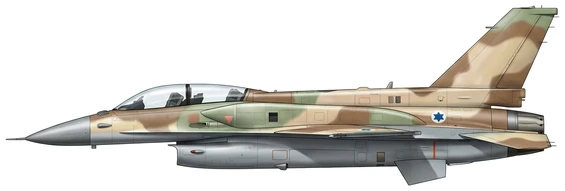
|
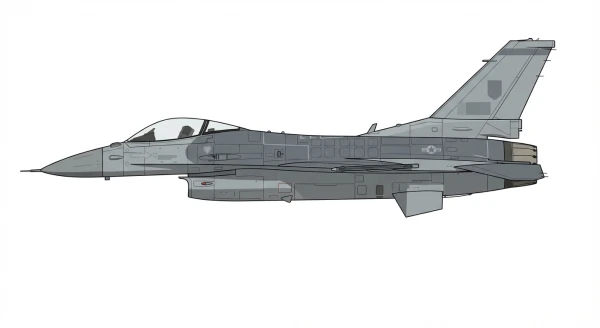
F-16I | 🇺🇸 United States | 2004 | 100 | — | — |
|
F-16D | 🇺🇸 United States | 1979 | 49 | — | — |
|
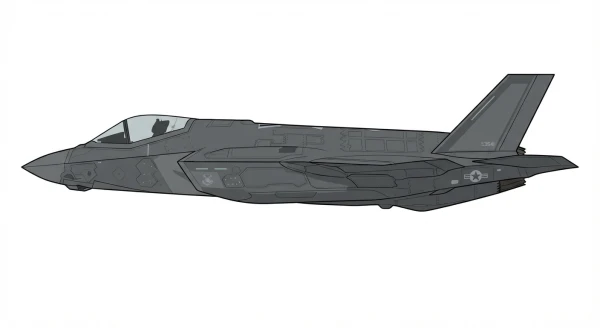
F-35I | 🇺🇸 United States | 2013 | 48 | +10 | +27 |
|
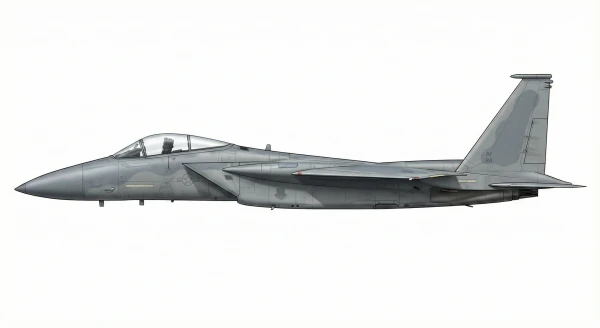
F-15A/C | 🇺🇸 United States | 1976 | 30 | — | — |
|
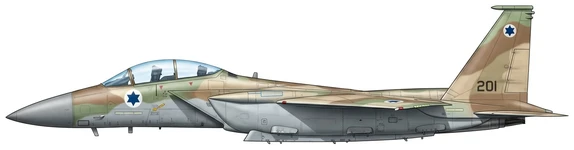
F-15I | 🇺🇸 United States | 1998 | 25 | — | — |
|
|
F-15B/D | 🇺🇸 United States | 1976 | 11 | — | — |
|
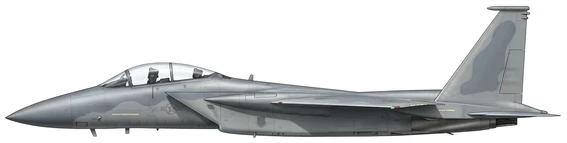
F-15IA | 🇺🇸 United States | 2024 | — | — | +50 |
| Helicopter | ||||||
|
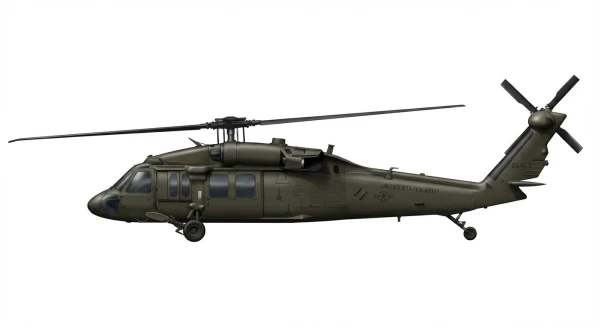
S-70/UH-60A | 🇺🇸 United States | 1979 | 49 | -1 | — |
|
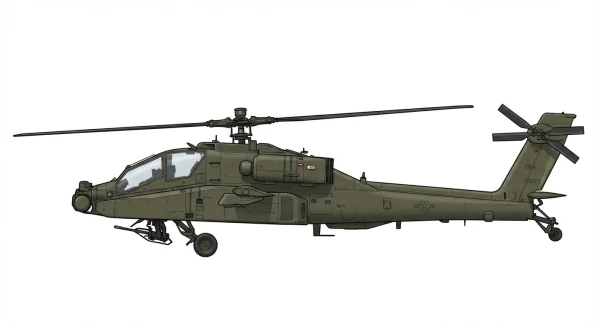
AH-64A/D | 🇺🇸 United States | 1984 | 48 | — | +30 |
|
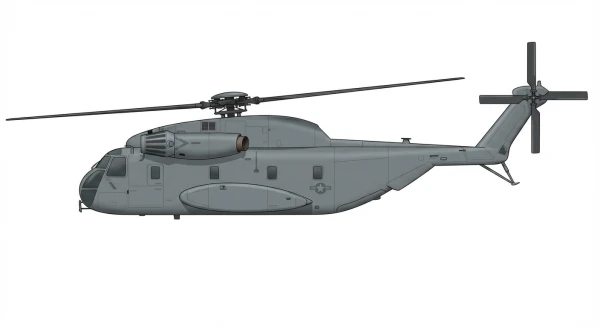
CH-53/K | 🇺🇸 United States | 1966 | 22 | — | +12 |
|
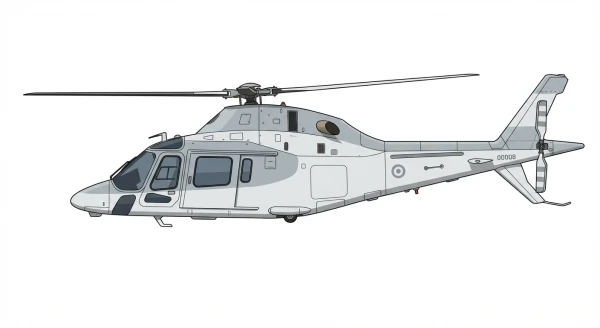
AW119 |
🇬🇧 United Kingdom 🇮🇹 Italy |
2000 | 11 | +10 | +1 |
| Transport | ||||||
|
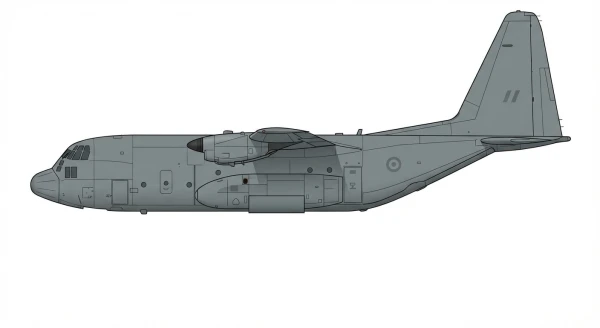
C-130J | 🇺🇸 United States | 1956 | 7 | — | — |

|
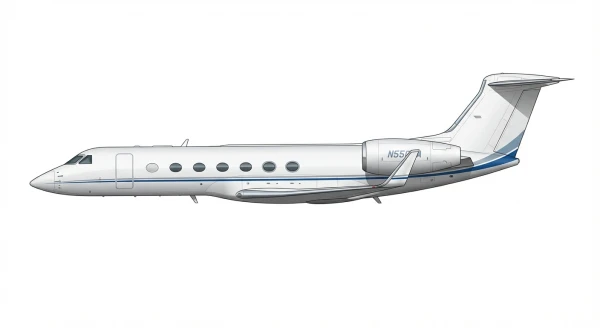
Gulfstream V (Nachshon Shavit) | 🇺🇸 United States | 1997 | 3 | — | — |
|
|
KC-46A | 🇺🇸 United States | 2019 | 3 | +3 | +3 |
|
G550 CAEW (Eitam) | 🇺🇸 United States | 2004 | 2 | — | +1 |
|
|
C-130H | 🇺🇸 United States | 1956 | 1 | — | — |
|
|
G550 Oron (ISR) | 🇺🇸 United States | 2004 | 1 | — | — |
| Training | ||||||
|
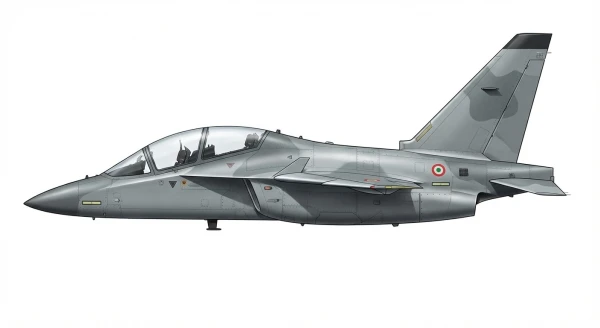
M-346 | 🇮🇹 Italy | 2015 | 30 | — | — |
|
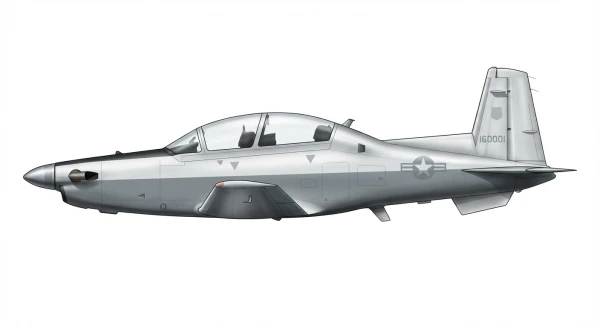
T-6A | 🇺🇸 United States | 2001 | 20 | — | — |
|
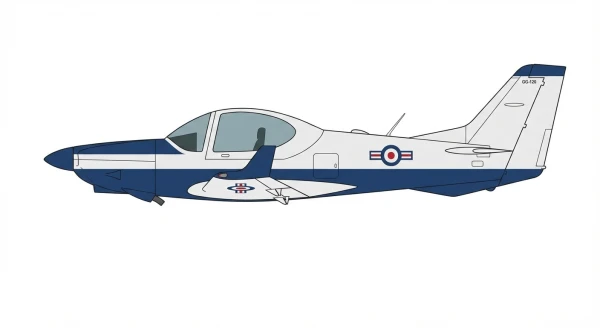
G120A | 🇩🇪 Germany | 1999 | 16 | — | — |
| UAV | ||||||
|
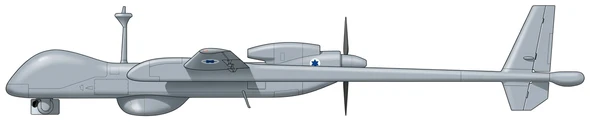
Eitan (Heron TP) | 🇮🇱 Israel | 2010 | 12 | +12 | — |
| Other | ||||||
|
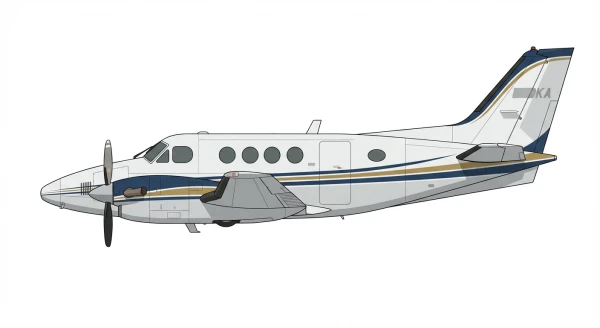
King Air 200 | 🇺🇸 United States | 1964 | 22 | — | — |
|
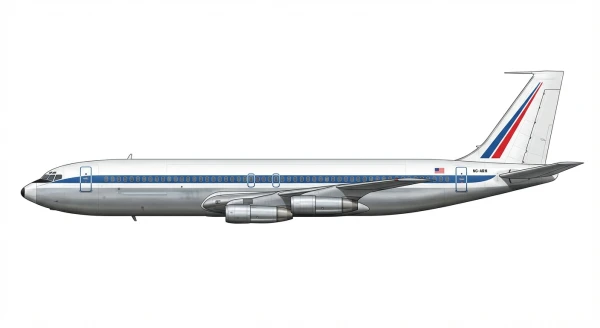
707 | 🇺🇸 United States | 1958 | 7 | — | — |
|
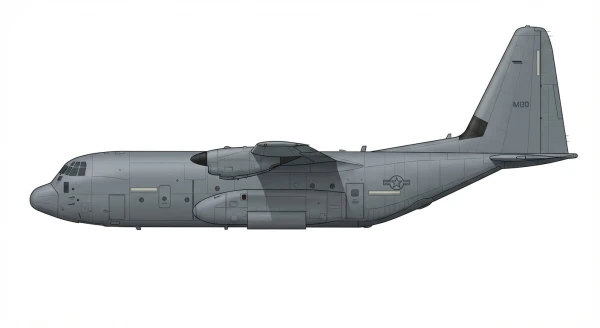
KC-130H | 🇺🇸 United States | 1962 | 7 | — | — |
|
|
EL/M-2075 Phalcon | 🇺🇸 United States | 1958 | 2 | — | — |
Overview
The Israeli Air Force (IAF), formally the Air and Space Arm, is a highly advanced and combat-proven force structured to execute a wide spectrum of operations and uphold Israel's qualitative military edge. It operates as a branch of the Israel Defense Forces and is organized for aerial and space warfare, with its headquarters in Tel Aviv. Its functions are multi-faceted, including the protection of Israeli airspace, achieving air supremacy, supporting ground and naval forces, conducting deep-strike missions, and providing intelligence. The IAF has repeatedly demonstrated an ability to generate an exceptionally high daily sortie rate, sustained by an advanced C4ISR architecture and close integration with the ground forces, the navy and military intelligence.
The strategic doctrine of the IAF is deeply rooted in Israel's geopolitical context, emphasizing offensive operations and pre-emption to compensate for the country's lack of strategic depth. Historically, the doctrine prioritized achieving air superiority early in any conflict in order to neutralize enemy air threats and enable freedom of action for ground forces, as in Operation Focus during the 1967 Six-Day War. Over time it has evolved into a doctrine capable of executing strategic objectives far from Israel's borders, in which long-range strike, systematic suppression of enemy air defenses and precision intelligence are used to dismantle an adversary's military capacity rather than merely defeat its air force.
Recent years have brought an exceptional operational tempo. The IAF conducted extensive operations over the Gaza Strip until the October 2025 ceasefire, struck Hezbollah command nodes and Syrian air defenses in the intervening campaigns, and in June 2025 opened a direct campaign against Iran in the twelve-day Operation Rising Lion. The largest engagement to date began on 28 February 2026, when Israel launched Operation Roaring Lion in coordination with the American Operation Epic Fury. Within weeks the IAF had flown several hundred strike waves and hit more than 3,000 targets across Iran, systematically dismantling air defenses and striking nuclear, missile and leadership sites at ranges that demanded tanker support and extended-range configurations. During these operations an F-35I scored the first air-to-air kill ever credited to the F-35, downing an Iranian Yak-130. Fighting paused under a ceasefire in the spring of 2026 and resumed in July after the collapse of the negotiating framework.
Modernization is now driven directly by the lessons of that campaign. In May 2026 the government approved the purchase of a fourth F-35I squadron and a second F-15IA squadron, adding to the 75-aircraft F-35I programme and the 50 F-15IA aircraft already ordered from Boeing to replace the oldest F-15s; work is also under way with Lockheed Martin to extend the Adir's combat radius, a direct response to the distances flown against Iran. The large F-16I fleet remains the numerical workhorse and is being sustained with new munitions rather than replaced, while the KC-46 will eventually relieve a tanker fleet that proved to be the campaign's tightest constraint. Israel remains a world leader in unmanned systems, fielding long-endurance ISR and strike platforms alongside loitering munitions, and its layered air and missile defense architecture of Iron Dome, David's Sling and Arrow is being expanded after months of sustained Iranian ballistic missile fire, with the Iron Beam laser system entering service.
Frequently Asked Questions
How many aircraft does Israel have?
How does Israel's air force rank globally?
How many combat aircraft does Israel operate?
How many military helicopters does Israel have?
What is the AIRS Index score of Israel?
Where does Israel get its military aircraft from?
- SEP 82026 Updated Logged 1 order from 2023
- SEP 82026 Updated Logged 1 crash and 2 orders from 2024
- AUG 292026 Updated G550 CAEW, G550 Oron and Gulfstream V Shavit fleets counted separately
- AUG 272026 Updated F-15 Baz fleet set to 41 airframes, 30 single-seat and 11 two-seat, with the F-15I counted separately
- AUG 272026 Updated F-15I Ra'am and F-16I Sufa listed as their own types; F-15A-D Baz counted as F-15 Eagles
- AUG 202026 Updated First UAV inventory pass: the Eitan (Heron TP) added to the 2026 snapshot — the only Israeli type with a published fleet estimate.
- AUG 12026 Updated 21 fleet events recorded