Ulchi Freedom Shield Cut Short After Trump Orders the US Role Scaled Back
The annual US-South Korean exercise will end on August 21 instead of August 27 and its second command-post phase is cancelled, after President Donald Trump directed the Pentagon on August 16 to substantially reduce the drills.
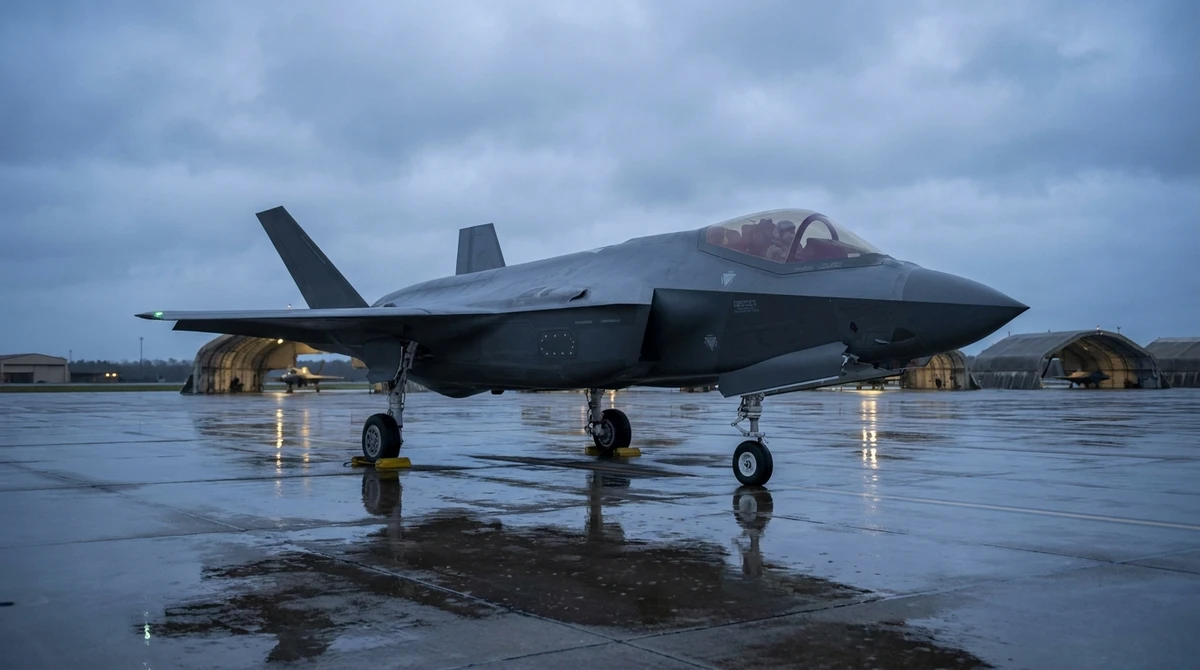
Ulchi Freedom Shield, the annual command-post exercise that anchors the alliance between the United States and South Korea, will end on August 21 rather than August 27 after President Donald Trump directed the Pentagon on August 16 to substantially reduce it. The exercise opened on schedule on August 17, but its second phase, a computer-simulated run scheduled for August 24 to 27, has been cancelled.
Trump announced the order on social media, citing his relationship with North Korean leader Kim Jong Un and Seoul's refusal to take part in the American war with Iran. South Korean Foreign Minister Cho Hyun told a parliamentary hearing on August 19 that neither his government nor officials in Washington had been warned. "Neither our government nor officials within the U.S. government had any prior knowledge of what President Trump revealed on Truth Social," he said. "Consequently, we were not notified beforehand."
A Pentagon spokesperson said the department had "substantially reduced Exercise Ulchi Freedom Shield while continuing training that enhances tactical capability," declining to specify which assets were withdrawn on operational security grounds. A US defense official said the changes preserve essential readiness and training objectives with no degradation to American training goals.
Some of the 14 combined battalion-level field exercises attached to the drills will be postponed or run as South Korean-only events. Defense Minister Ahn Gyu-back said the allies still plan to hold 159 field training exercises this year and that the training dropped from Ulchi Freedom Shield would be conducted later. He also said the assessment at stake — the full operational capability check that conditions the transfer of wartime operational control from Washington to Seoul — would be completed during the exercise's first phase. Seoul had hoped a clean result would open discussion of a transition timeline later this year.
The exercise normally draws about 18,000 uniformed personnel from the two allies and partner nations across land, sea and air. The US Air Force typically contributes F-16, F-35 and F-22 fighters, while the Republic of Korea Air Force flies F-35A, F-15K and FA-50 aircraft of its own; it operates 40 F-35A with 20 more on order, 59 F-15K and 167 F-16C/D.
South Korea keeps 500,000 active personnel and 3.1 million reservists and spent $43.1 billion on defense in 2025, placing it sixth in the global military power ranking. North Korea, 27th in the same ranking, fields 1.28 million active troops. Separately, Gen. Kevin B. Schneider, who commands Pacific Air Forces, is reviewing the more than 45 exercises his command runs each year to determine which produce genuine readiness gains and whether their scale or participation should change.
The truncated exercise runs to August 21. Ahn said the postponed battalion-level training would be rescheduled before the end of the year, leaving the operational-control timeline — rather than the exercise itself — as the next test of the arrangement.
More News
All news →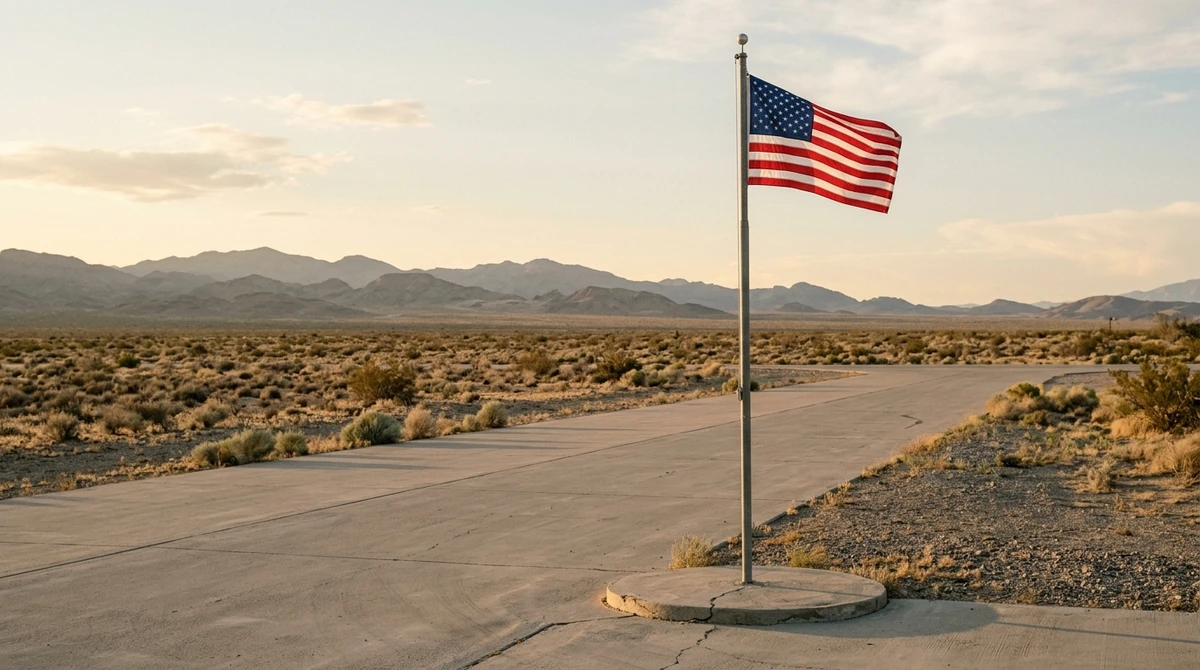
Northrop Grumman's YFQ-48A Talon Blue Completes First Fully Autonomous Flight at Mojave
Northrop Grumman said on October 3, 2026 that its company-funded YFQ-48A Talon Blue had taxied, taken off, maneuvered and landed without pilot input at Mojave, California, as the US Air Force prepares to select designs for Increment 2 of its Collaborative Combat Aircraft program.
North Korea Says Hypersonic Missile Drill Hit Target 1,000 km Away; Seoul Tracked More Than 700 km
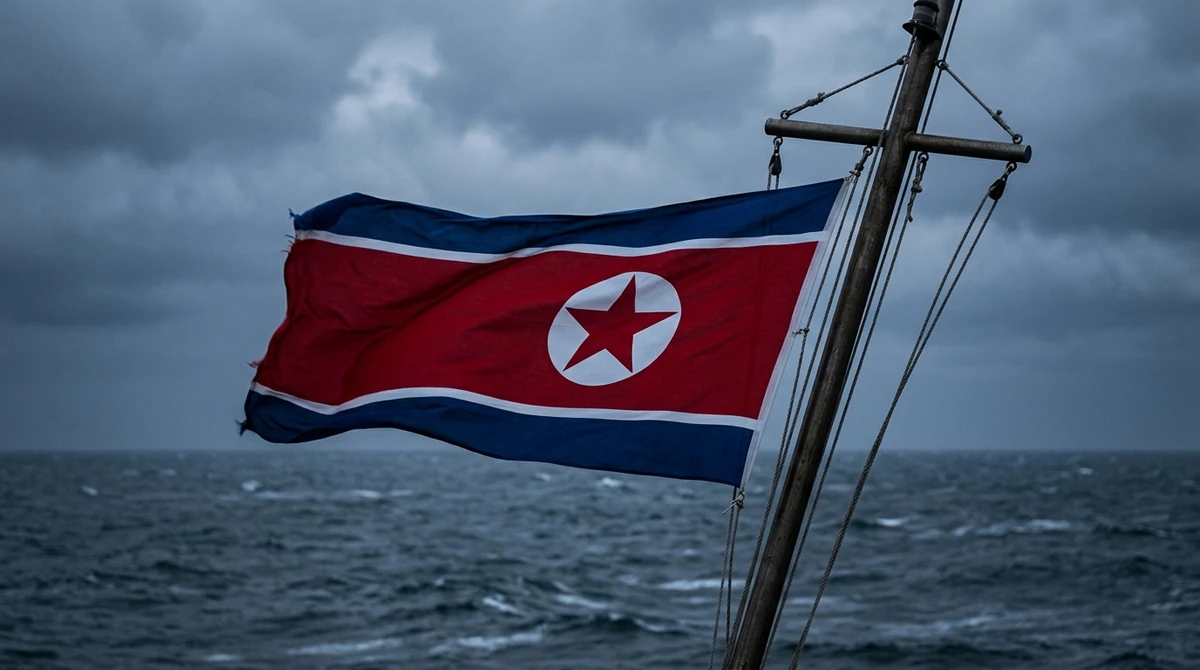
North Korea says a Saturday launch from the Wonsan area was a drill of its hypersonic strategic weapon system that struck a target 1,000 km away; South Korea's Joint Chiefs of Staff tracked a single ballistic missile flying more than 700 km into the East Sea.
Australia Retires Its Tigers, Leaving Three Operators Among the World's 3,623 Attack Helicopters
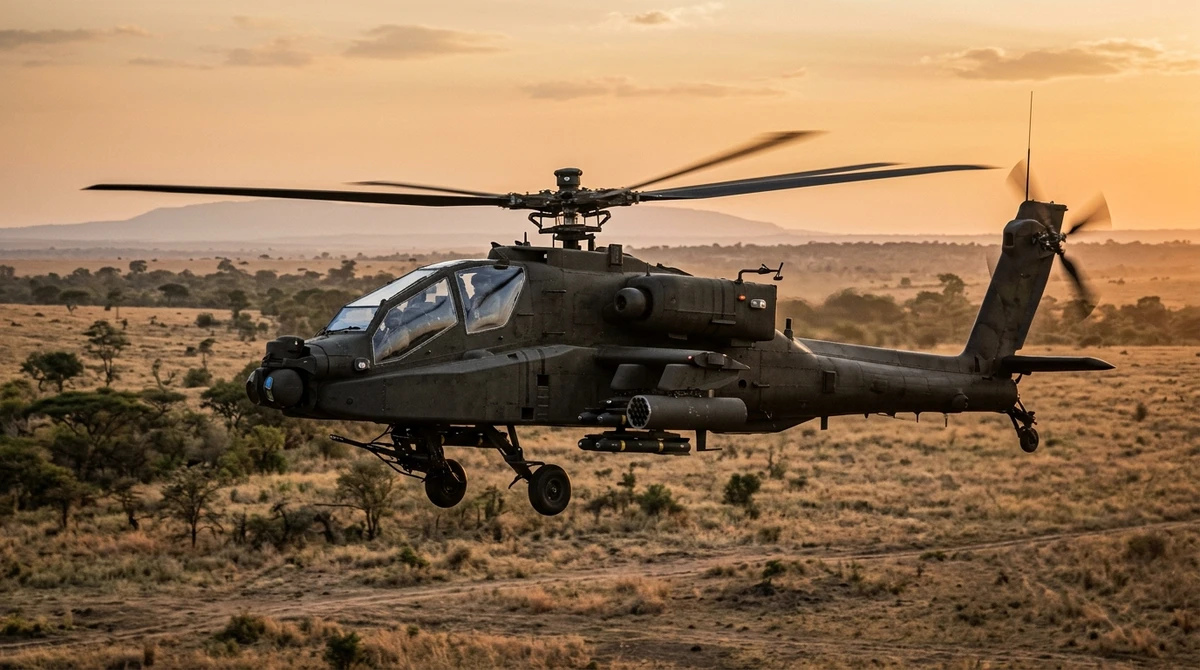
The Australian Army has retired its Tiger attack helicopters, marking the fleet's sundown in Darwin on 30 September and leaving France, Germany and Spain as the only users; GlobalMilitary.net data counts 3,623 active attack helicopters in 81 countries.
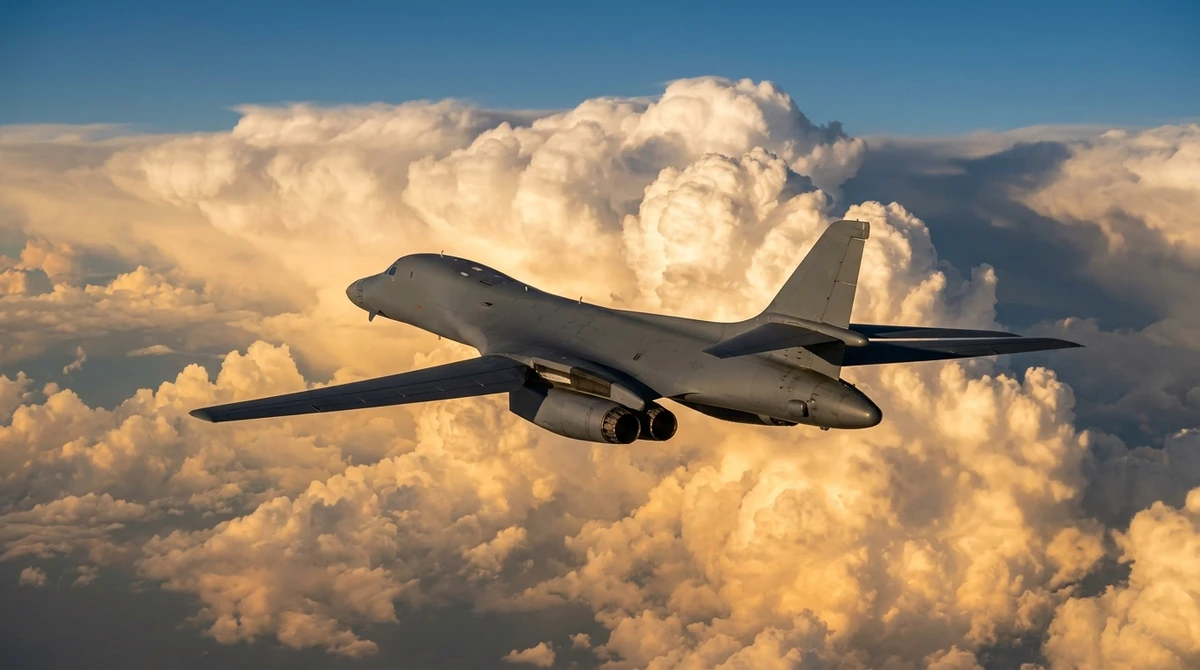
B-1B Lancer Reaches 40 Years in Service as US Air Force Plans to Keep It Flying Through 2037
The B-1B Lancer achieved initial operational capability on 1 October 1986; four decades later, 45 of the 100 bombers built remain in US Air Force service at Ellsworth and Dyess, and modernization funding is now planned to keep the type relevant through 2037.
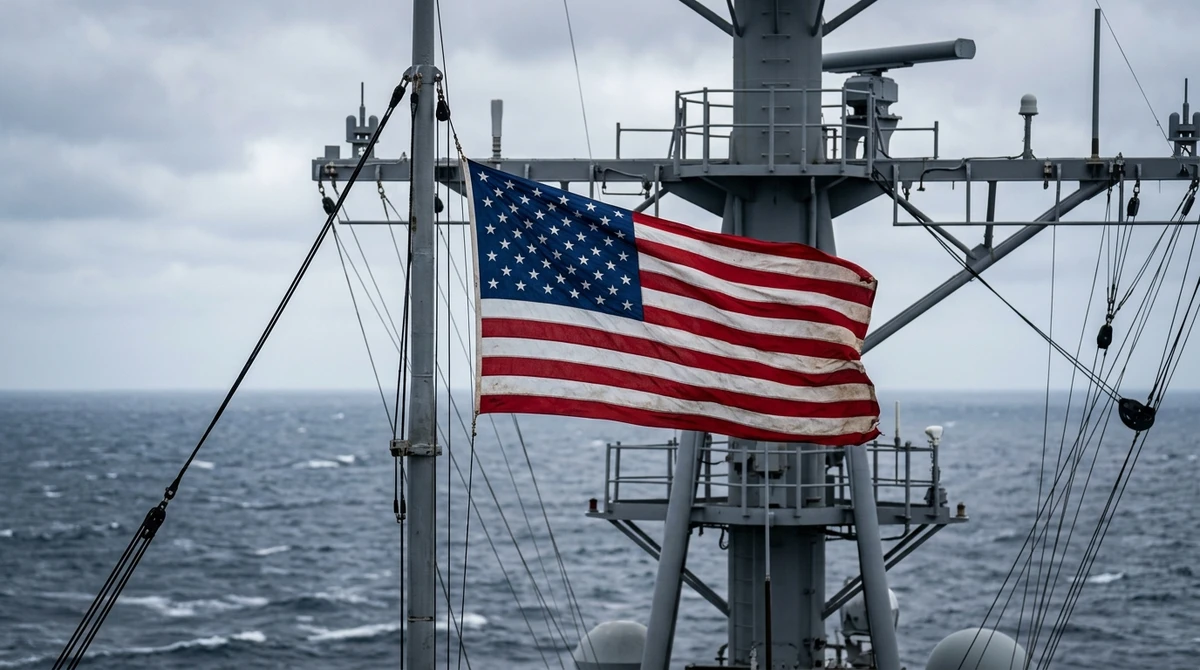
US Navy Awards Raytheon Up to $24.4 Billion Multiyear Contract for SM-6 Missiles
The US Navy on Oct. 1, 2026 awarded RTX's Raytheon unit a multiyear contract worth up to $24.4 billion for Standard Missile-6 interceptors, a five-year deal with two option years whose quantities remain undisclosed and whose funding Congress has yet to appropriate.
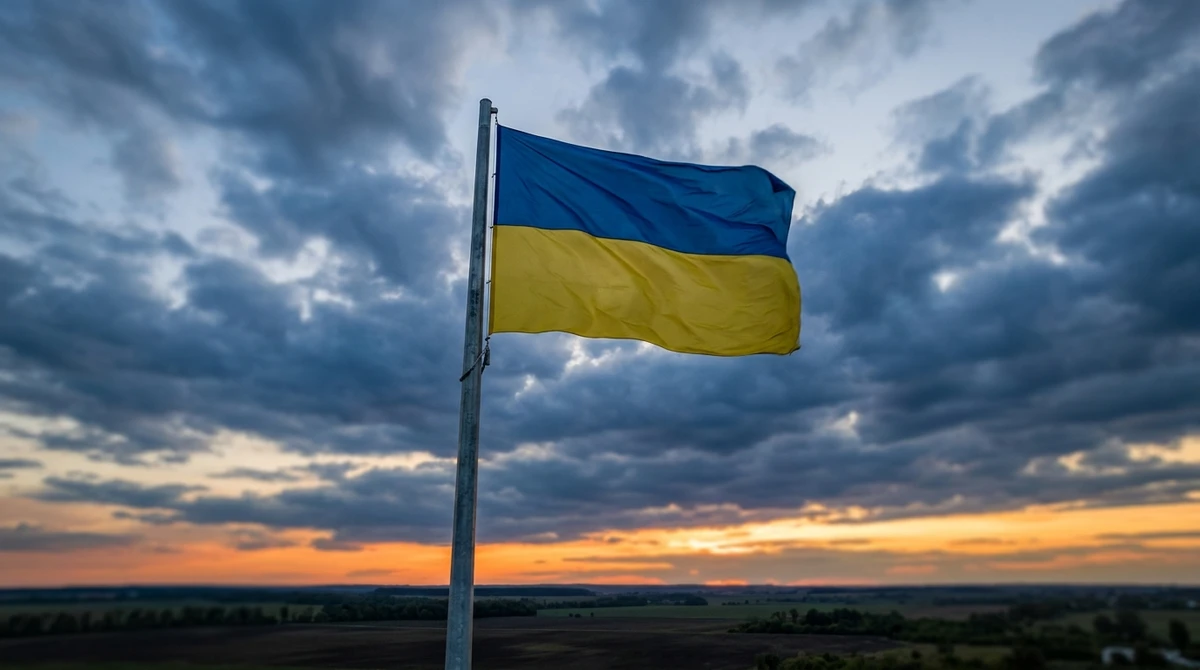
Ukraine Says Its FP-7 Ballistic Missile Has Been Used in Combat for the First Time
President Volodymyr Zelensky said on October 1, 2026 that Ukraine's domestically developed FP-7 tactical ballistic missile, built by Fire Point, had been used in combat for the first time, without disclosing the target or location; the claim has not been independently verified.