
Royal Jordanian Air Force
سلاح الجو الملكي الأردني (Silāḥ al-Jaw al-Malakī al-’Urdunī) — The Royal Jordanian Air Force (RJAF) is a professional and relatively modern air arm, structured primarily to defend Jordan's airspace and support ground forces. Its operational capabilities are centered on a fleet …
Full inventory in 2026
19 aircraft typesRoyal Jordanian Air Force
| Aircraft | Origin | Model year | Active | Δ YoY | Ordered | |
|---|---|---|---|---|---|---|
| Combat | ||||||
|
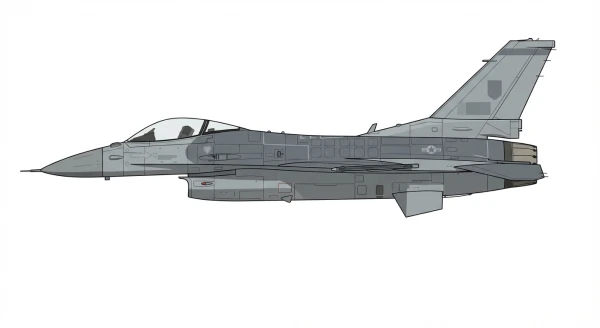
F-16A/V | 🇺🇸 United States | 1979 | 45 | +1 | +12 |
|
|
F-16B | 🇺🇸 United States | 1979 | 16 | +1 | — |
|
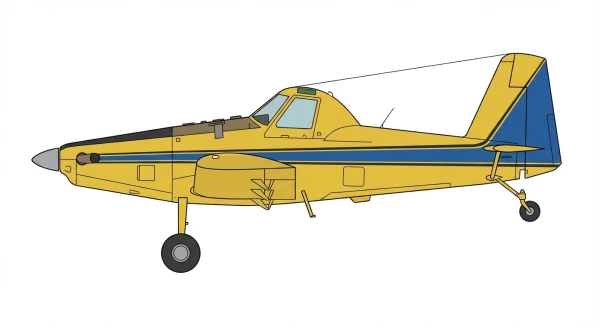
AT-802 | 🇺🇸 United States | 1991 | 12 | +2 | — |
| Helicopter | ||||||
|
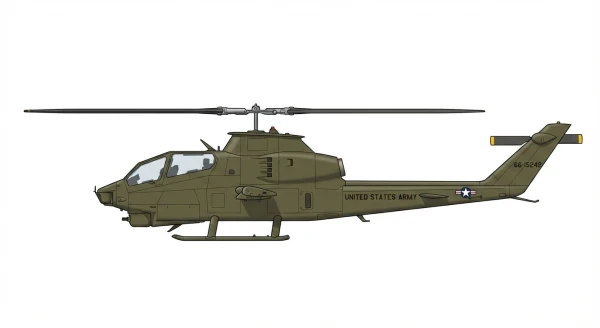
AH-1E/F | 🇺🇸 United States | 1967 | 43 | -1 | — |
|
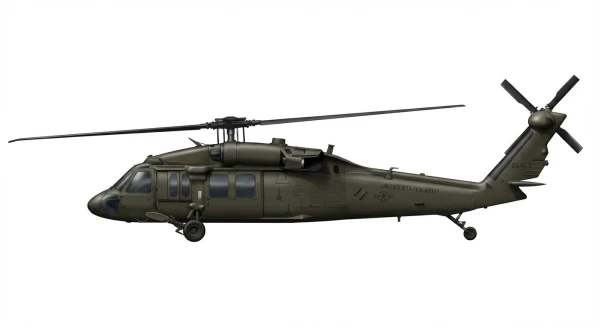
S-70/UH-60A/L/M | 🇺🇸 United States | 1979 | 31 | — | +2 |
|
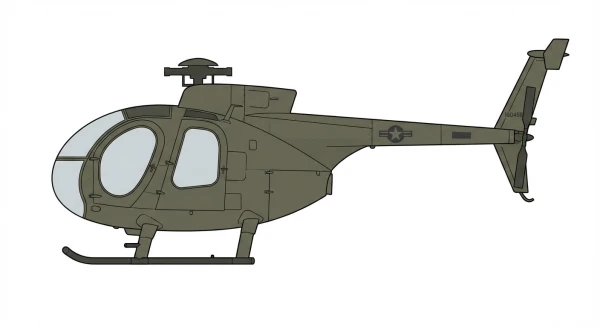
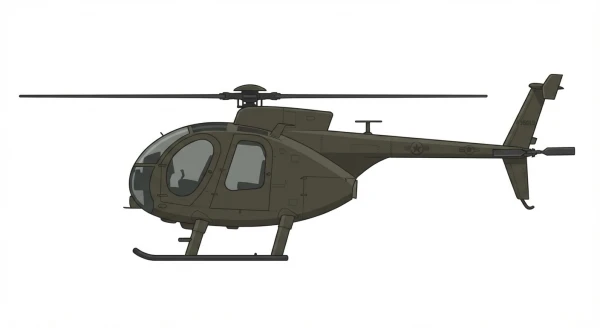
MD530FF/AH530 Block II | 🇺🇸 United States | 1967 | 12 | +12 | — |
|
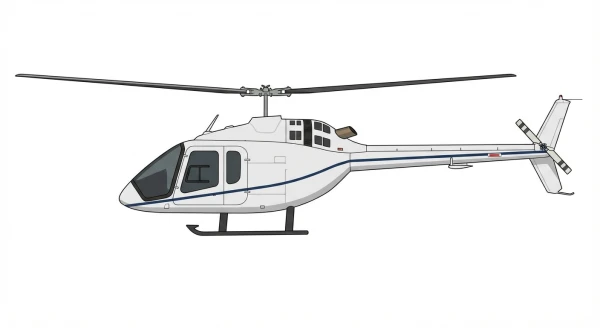
Bell 505 | 🇺🇸 United States | 2017 | 10 | — | — |
|
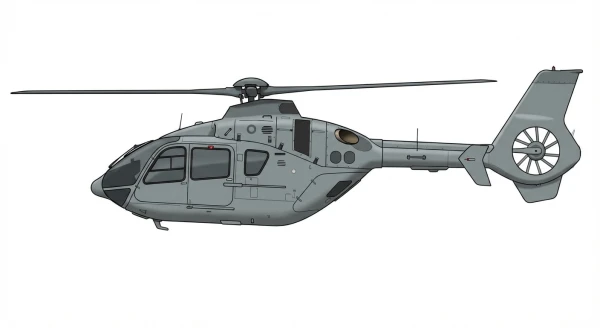
H135/EC635 | 🇫🇷 France | 1996 | 10 | +3 | — |
|
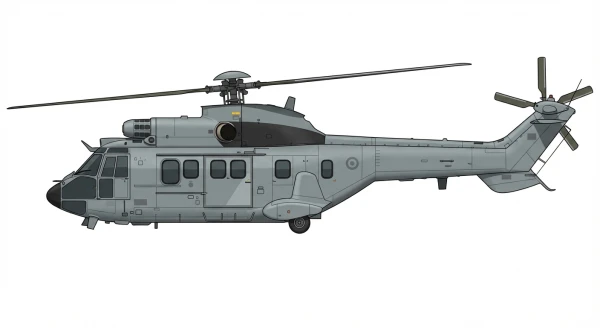
H215M/AS332 |
🇩🇪 Germany 🇫🇷 France |
1978 | 7 | -3 | — |

|
Mi-26 | 🇷🇺 Ex-USSR | 1983 | 4 | — | — |
|
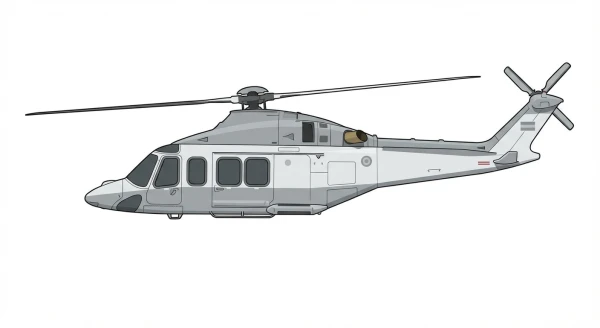
AW139 |
🇬🇧 United Kingdom 🇮🇹 Italy |
2003 | 3 | +3 | — |
|
AH-6i | 🇺🇸 United States | 1980 | — | — | +24 |
| Transport | ||||||
|
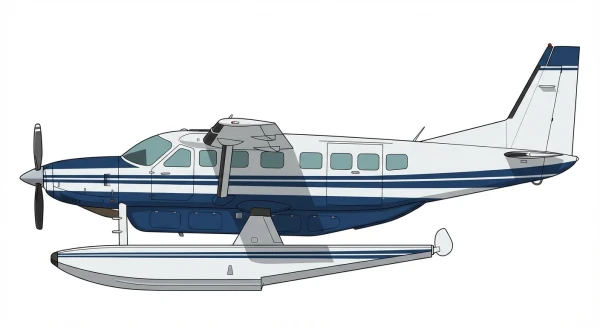
Cessna 208 | 🇺🇸 United States | 1984 | 12 | +2 | — |
|
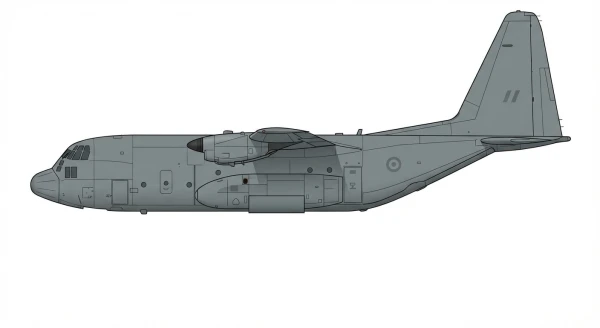
C-130H | 🇺🇸 United States | 1956 | 7 | — | — |
|
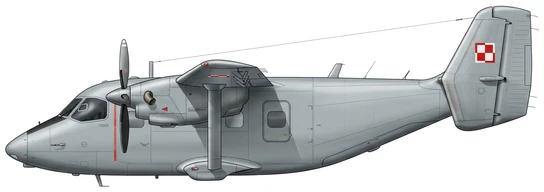
M28 | 🇵🇱 Poland | 1996 | 2 | +1 | — |
|
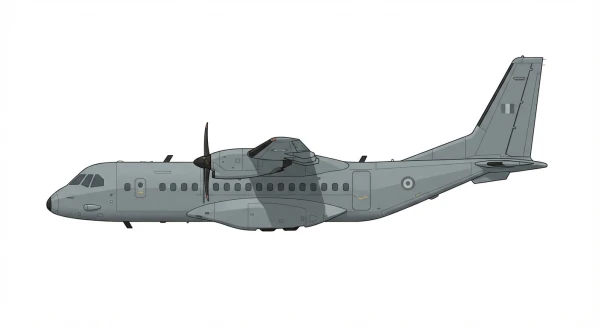
C295 |
🇪🇸 Spain 🇮🇩 Indonesia |
2001 | 2 | — | — |
|
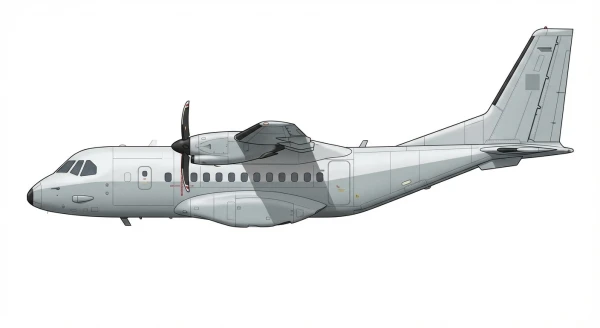
AC-235 |
🇪🇸 Spain 🇮🇩 Indonesia |
1988 | 2 | +2 | — |
|
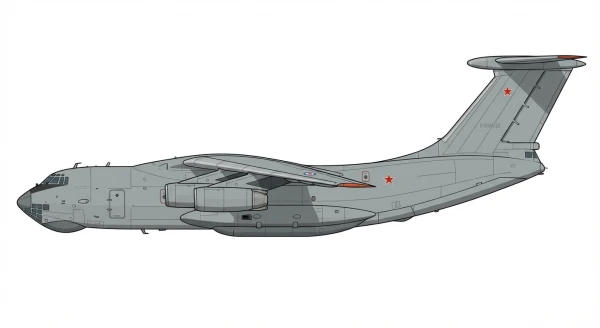
Il-76 | 🇷🇺 Ex-USSR | 1974 | 1 | — | — |
| Training | ||||||
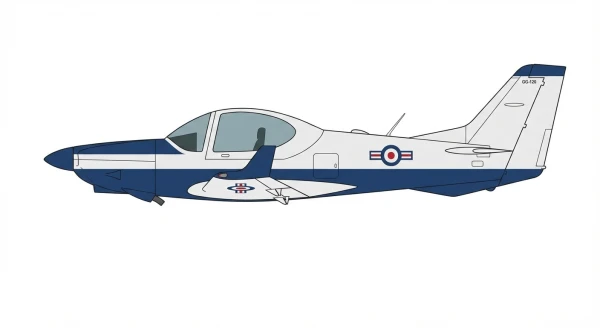
|
G120TP | 🇩🇪 Germany | 1999 | 13 | -1 | — |
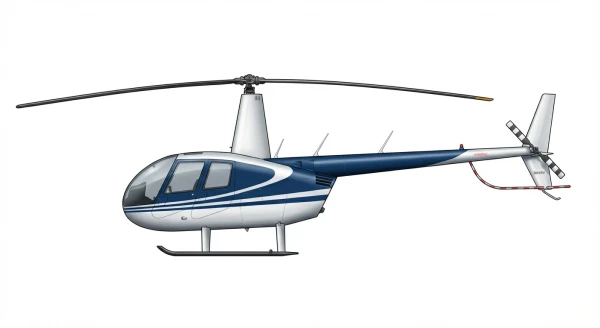
|
R44 | 🇺🇸 United States | 1993 | 12 | +12 | — |
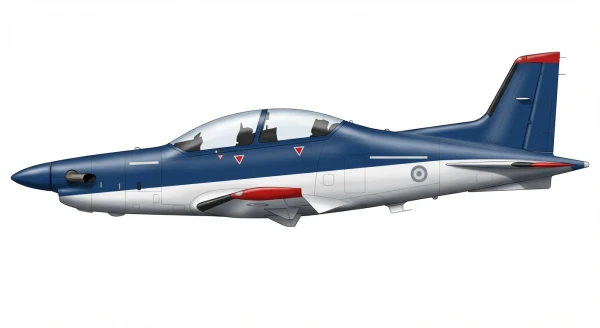
|
PC-21 | 🇨🇭 Switzerland | 2008 | 12 | +12 | — |
Overview
The Royal Jordanian Air Force (RJAF) is a professional and relatively modern air arm, structured primarily to defend Jordan's airspace and support ground forces. Its operational capabilities are centered on a fleet of F-16 Fighting Falcon aircraft, which form the backbone of its combat power. These are complemented by armed helicopters, transport aircraft, and a growing unmanned aerial vehicle component. The force is organized into several squadrons based at strategically located air bases, which facilitates rapid response to threats on its borders. Close operational and training links with the United States and other regional partners enhance its interoperability and technical proficiency.
The strategic doctrine of the RJAF has evolved from a purely defensive posture to one that actively contributes to regional stability and counter-terrorism operations. Its geographic position makes it a key partner for international coalitions operating in the Middle East. This doctrine is centered on defending the kingdom against state and non-state actors, providing intelligence and surveillance, and supporting special operations forces. The RJAF also has an increasing role in humanitarian assistance, conducting airlift operations to support peacekeeping missions and deliver aid in regional crises, such as the ongoing airdrops into Gaza.
The RJAF has been actively engaged in combat operations over the past decade. It was a participant in the U.S.-led coalition against ISIS, with its F-16s conducting airstrikes in Syria against militant targets. These operations were often conducted over long distances and under restrictive rules of engagement. The downing of an RJAF F-16 and the capture of its pilot in 2014 highlighted the risks associated with these missions. More recently, the RJAF has been involved in intercepting drones and missiles that violate Jordanian airspace, demonstrating a proficient integrated air defense capability.
To maintain its effectiveness, the RJAF is pursuing a significant modernization path. The cornerstone of this effort is the acquisition of new F-16 Block 70/72 aircraft, which will provide a substantial leap in combat capability due to their advanced avionics and AESA radars. This program ensures that the RJAF's primary fighter fleet remains relevant against emerging threats.