
Korean People's Army Air Force
The Korean People's Army Air Force operates 1,131 military aircraft in 2026 — 571 combat aircraft (fighter and attack jets), 80 bombers, 205 helicopters, 275 transport aircraft. It ranks #19 of 162 air forces worldwide.
Full inventory in 2026
20 aircraft typesKorean People's Army Air Force
| Aircraft | Origin | Model year | Active | Δ YoY | Ordered | |
|---|---|---|---|---|---|---|
| Combat | ||||||
|
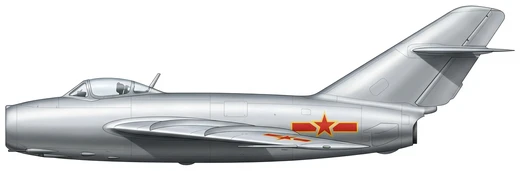
FT-5 | 🇨🇳 China | 1957 | 135 | — | — |
|
|
Shenyang J-5 (F-5) | 🇨🇳 China | 1957 | 106 | — | — |
|
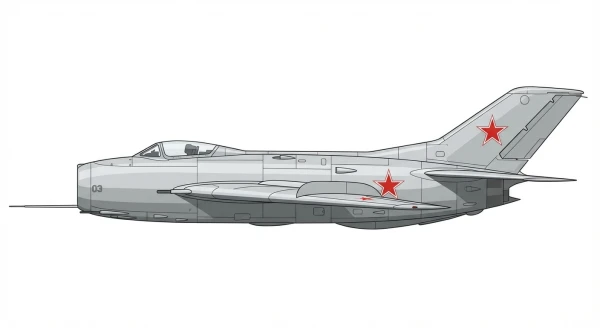
F-6 | 🇷🇺 Ex-USSR | 1955 | 97 | — | — |
|
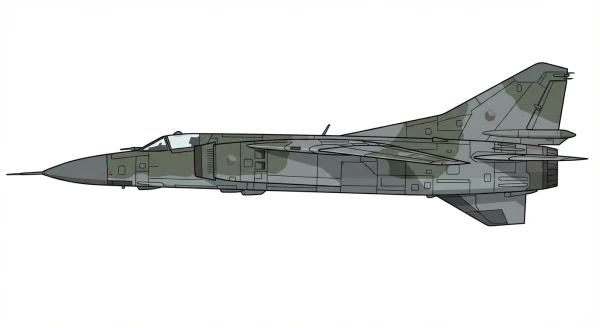
MiG-23 | 🇷🇺 Ex-USSR | 1970 | 56 | — | — |
|
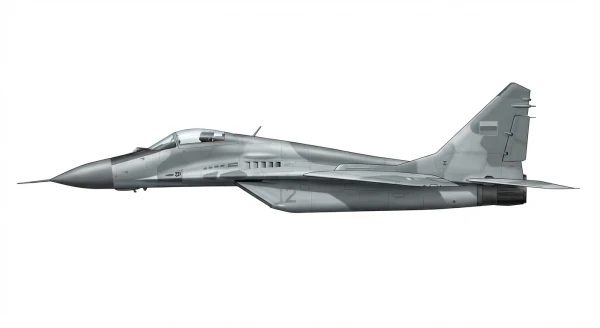
MiG-29 | 🇷🇺 Ex-USSR | 1983 | 35 | — | — |
|
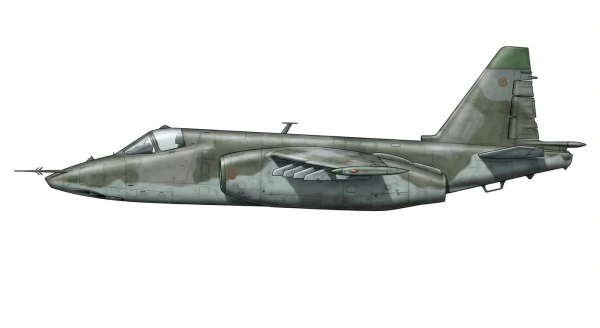
Su-25 | 🇷🇺 Ex-USSR | 1981 | 34 | -4 | — |
|
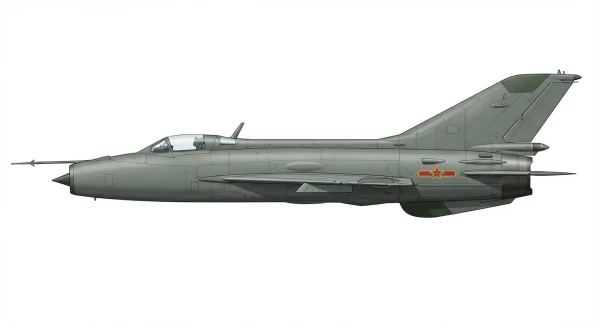
F-7 | 🇨🇳 China | 1966 | 30 | — | — |
|
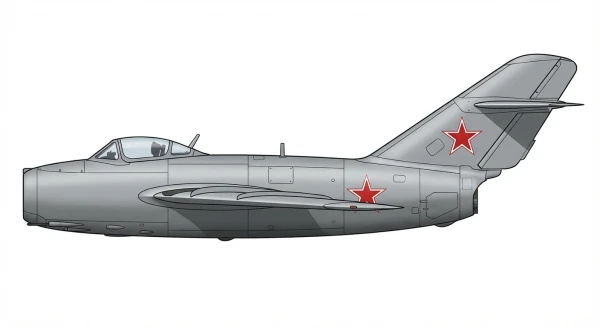
FT-2 | 🇷🇺 Ex-USSR | 1949 | 30 | — | — |
|
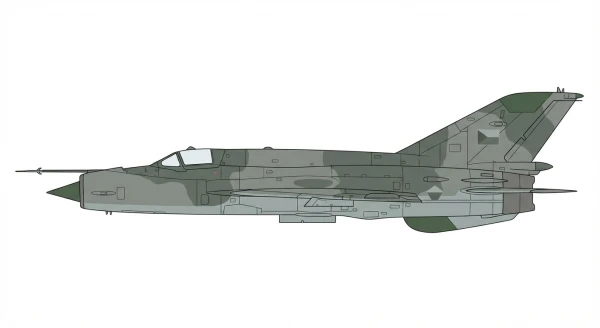
MiG-21 | 🇷🇺 Ex-USSR | 1958 | 26 | — | — |
|
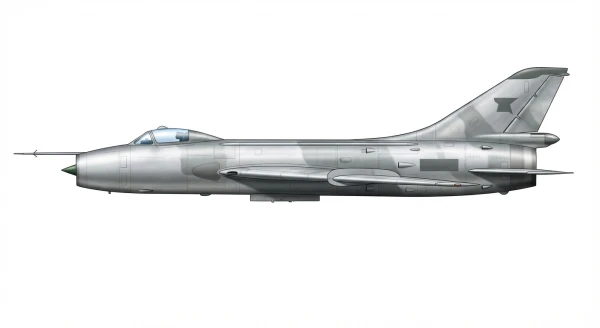
Su-7 | 🇷🇺 Ex-USSR | 1959 | 18 | — | — |
|
|
MiG-15 | 🇷🇺 Ex-USSR | 1949 | 4 | — | — |
| Bomber | ||||||
|
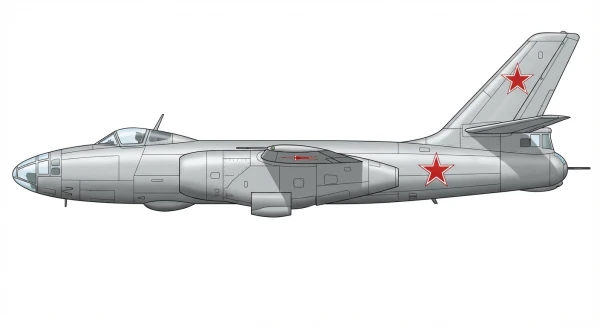
H-5 | 🇷🇺 Ex-USSR | 1950 | 80 | — | — |
| Helicopter | ||||||
|
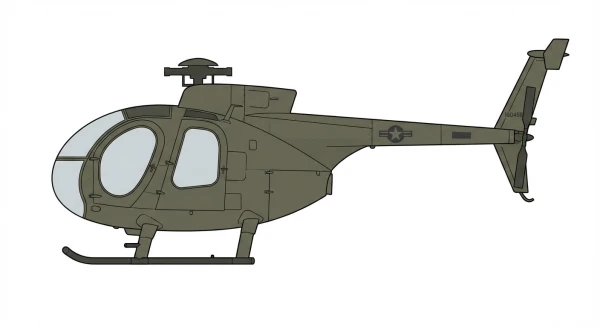
MD500 | 🇺🇸 United States | 1967 | 84 | — | — |
|
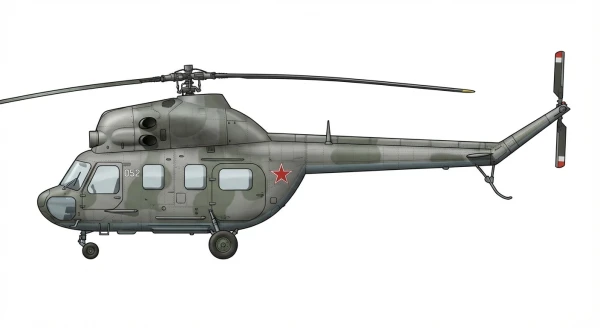
Mi-2 | 🇷🇺 Ex-USSR | 1965 | 48 | — | — |
|
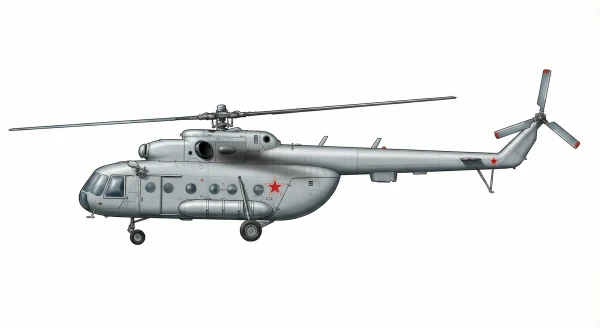
Mi-8 | 🇷🇺 Ex-USSR | 1967 | 41 | — | — |
|
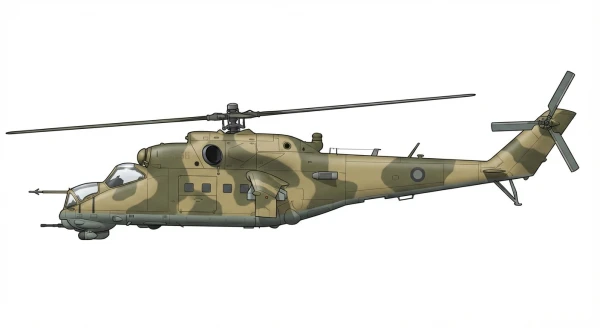
Mi-24 | 🇷🇺 Ex-USSR | 1972 | 20 | — | — |
|
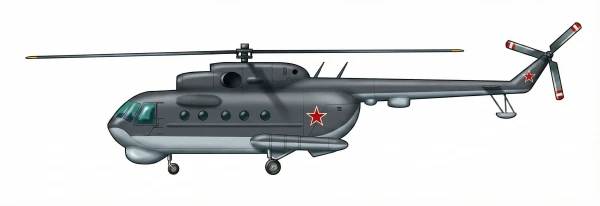
Mi-14 | 🇷🇺 Ex-USSR | 1975 | 8 | — | — |

|
Mi-26 | 🇷🇺 Ex-USSR | 1983 | 4 | — | — |
| Transport | ||||||
|
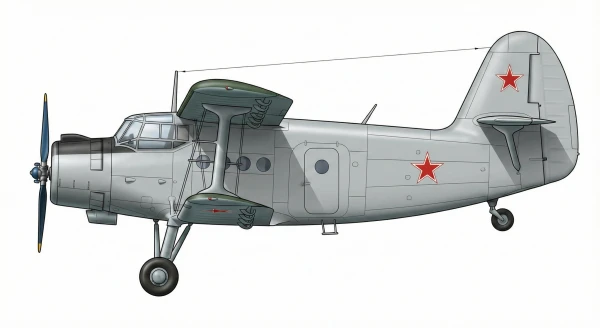
An-2/Y-5 | 🇷🇺 Ex-USSR | 1947 | 270 | — | — |
|
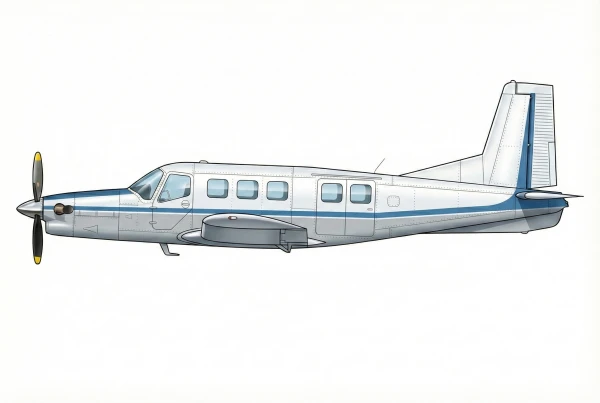
PAC P-750 | 🇳🇿 New Zealand | 2001 | 3 | — | — |
|
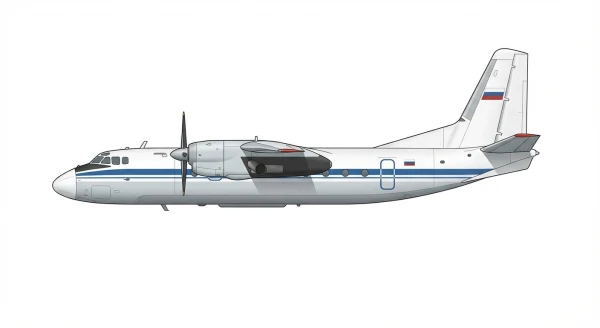
An-24 | 🇺🇦 Ukraine | 1962 | 1 | — | — |
|
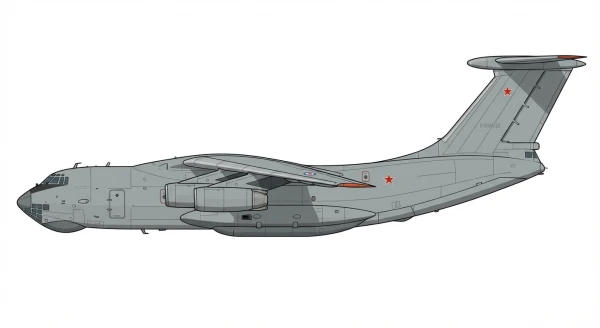
Il-76TD AWACS | 🇷🇺 Ex-USSR | 1974 | 1 | +1 | — |
Overview
The Korean People's Army Air and Anti-Air Force (KPAAF) is the second-largest branch of the North Korean military, tasked with defending the nation's airspace. Its structure is modeled after the Soviet system, comprising six air divisions: three for combat, two for transport, and one for training. These divisions oversee various regiments equipped with specific aircraft types and are dispersed across numerous airbases, many of which feature hardened underground shelters to protect assets.
Operationally, the KPAAF is significantly hampered by its reliance on an extensive but obsolete inventory of Soviet and Chinese-made aircraft from the Cold War era. Chronic shortages of fuel and spare parts, exacerbated by international sanctions, severely limit pilot flight hours to a fraction of Western standards, which raises questions about pilot proficiency and overall readiness. The most capable aircraft in its arsenal are the MiG-29 fighters and Su-25 ground-attack jets. The KPAAF also operates a large fleet of transport aircraft, including An-2s, which are purportedly tasked with infiltrating special operations forces into South Korea.
North Korea's strategic doctrine is asymmetric, compensating for the KPAAF's conventional inferiority with a focus on its nuclear and ballistic missile programs. The air force's primary role in this context is defensive. Pyongyang has developed one of the world's densest air defense networks, consisting of numerous anti-aircraft artillery guns and various surface-to-air missile (SAM) systems. In a new strategic shift, the KPAAF is developing a hybrid doctrine that integrates unmanned aerial vehicles (UAVs) with manned aircraft to probe enemy defenses and conduct strikes.
Historically, the KPAAF has seen limited but notable operational engagements. It participated in the Korean War and later deployed a fighter squadron to support North Vietnam. A significant incident occurred in 1969 when KPAF MiG-21s shot down a US EC-121 reconnaissance aircraft over the Sea of Japan.
Modernization programs for the KPAAF are modest and constrained by limited resources. Recent efforts have focused on developing new air-to-air missiles and upgrading existing MiG-29s with improved systems. There are also indications of the development of an airborne early warning and control (AEW&C) aircraft. Reports suggest that North Korea may be seeking to acquire more modern Su-27 and additional MiG-29 fighters from Russia to replace its aging fleet, which could represent a significant, albeit challenging, step in its modernization efforts.
Frequently Asked Questions
How many aircraft does North Korea have?
How does North Korea's air force rank globally?
How many combat aircraft does North Korea operate?
How many military helicopters does North Korea have?
What is the AIRS Index score of North Korea?
Where does North Korea get its military aircraft from?
- JUL 242026 Updated MiG-29 fleet entry linked to its aircraft page
- JUL 142026 Updated Shenyang J-5 (F-5): aircraft type updated
- FEB 112026 Updated 34 inventory entries added across 22 aircraft types