Nearly Half the World's Military Aircraft Fly Designs Older Than 1980
GlobalMilitary.net's 2026 inventories put 28,490 of the 58,339 military aircraft in 162 air arms on designs that predate 1980 — a 49.1 percent share driven as much by types still worth building, like the C-130, as by fleets frozen in time, like North Korea's.
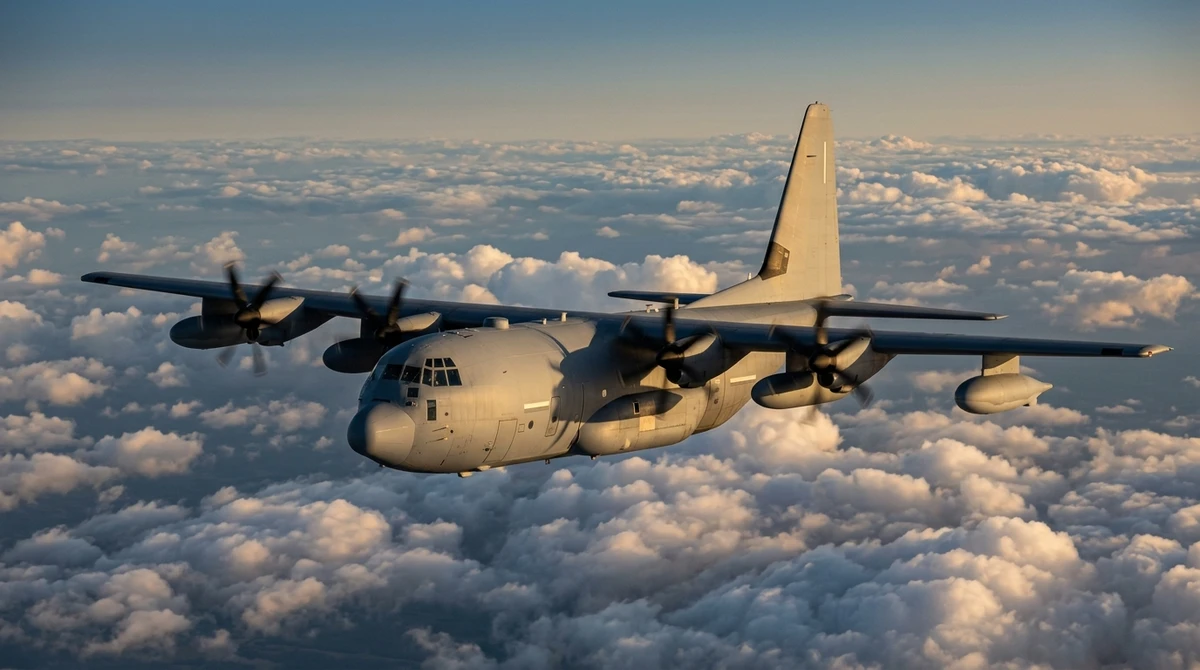
Nearly half of the military aircraft flying today are built to designs that predate 1980. GlobalMilitary.net's 2026 air force inventories record 58,339 active airframes across 162 air arms; of the 58,050 whose type carries a dated service entry, 28,490 — 49.1 percent — belong to designs introduced before that year. The figure is a measure of deferred replacement on a global scale: half of the world's airpower still rests on aerodynamic, structural and systems decisions made during the Cold War.
The figure comes with one reading rule, and the rule is what makes it interesting. It measures the age of the design, not of the airframe: an F-16 Fighting Falcon delivered in 2026 counts as a 1978 design, which is why Turkey, an operator of newly built Block 70 jets, shows 64.8 percent of its 1,357 aircraft on pre-1980 designs. Read that way, the pre-1980 share captures two very different conditions — designs that survived because nothing has displaced them, and fleets that survived because nothing could replace them — and the extremes of the table belong to each.
The first condition dominates the middle of the table. The UH-1 Iroquois, a 1950s design, serves in 64 air arms with 1,375 helicopters, the widest operator base of any type in the dataset. The C-130 Hercules follows with 931 aircraft in 62 air arms, the KC-135 Stratotanker still supplies 385 tankers to three, and the United States retains 76 B-52 Stratofortress bombers of the same vintage. These types persist in utility, airlift, tanker and standoff-bomber roles whose requirements have barely moved since the 1950s cohort — 4,943 aircraft across 25 types — was drawn up. The MiG-21 Fishbed, with 411 airframes in 17 countries, shows the same longevity on the Soviet side.
The second condition is embargo and constrained budgets. North Korea's air force sits at 93.3 percent of 1,131 aircraft, the highest share of any fleet above 200 airframes, and its inventory reads as a preserved mid-century force: 34 MiG-15 Fagot fighters — the oldest jet design counted anywhere in the dataset — alongside 241 J-5 Fresco fighters and 80 Il-28 Beagle bombers. Syria follows at 92.5 percent and Iran at 86.3 percent, both shaped by decades of sanctions. Below them the driver shifts from embargo to budget: Colombia (77.8 percent), Angola (76.4), Peru (72.4) and Argentina (71.4) fill out the top of the table, with Ukraine (71.3) fighting a full-scale war from nearly the same position.
At the far end of the curve, five designs that entered service before 1950 remain on strength. The Douglas DC-3, flying since 1936, is still held by five air arms with 17 aircraft between them, and the An-2 Colt biplane of 1947 remains by far the most numerous of the group, with 373 airframes in six countries.
The distribution peaks in the 1970s, the largest single cohort at 14,115 airframes across 68 types. Combat aircraft skew younger than the fleet as a whole, but only somewhat: 5,821 of the 17,350 fighters and attack aircraft counted, or 33.5 percent, are of pre-1980 design — a share held up in part by late-1970s types such as the F-16 that are still being built.
The number that frames all of this is the smallest one. Designs of the 2020s account for 734 airframes across 20 types, fewer than one aircraft in seventy, against the 28,490 pre-1980 airframes they are eventually meant to replace. That gap is the present state of the world's recapitalization — and the vintage of a country's mix is one of the inputs behind its standing in the global military power ranking, alongside fleet size and budget.
More News
All news →
USS Pinckney Begins US Navy's First SPY-6(V)4 Radar Installation on an Arleigh Burke Destroyer
The US Navy said on October 22 that the Arleigh Burke-class destroyer USS Pinckney (DDG 91) has entered a Depot Modernization Period at General Dynamics NASSCO in San Diego, the service's first installation of the SPY-6(V)4 radar and HESC cooling plants under the DDG MOD 2.0 program.

UK Restarts Tank and Howitzer Barrel Production as US Army Seeks New 155mm Tube Makers
Rheinmetall UK has begun making 120mm and 155mm barrels in Telford, the Ministry of Defence said on 22 October, a day after a US Army contracting command posted a market survey for domestic makers of Paladin and M777 cannon tubes.
Pentagon and Lockheed Martin Unveil 10-Year F-35 Framework for 850 US Jets, Pending Congress
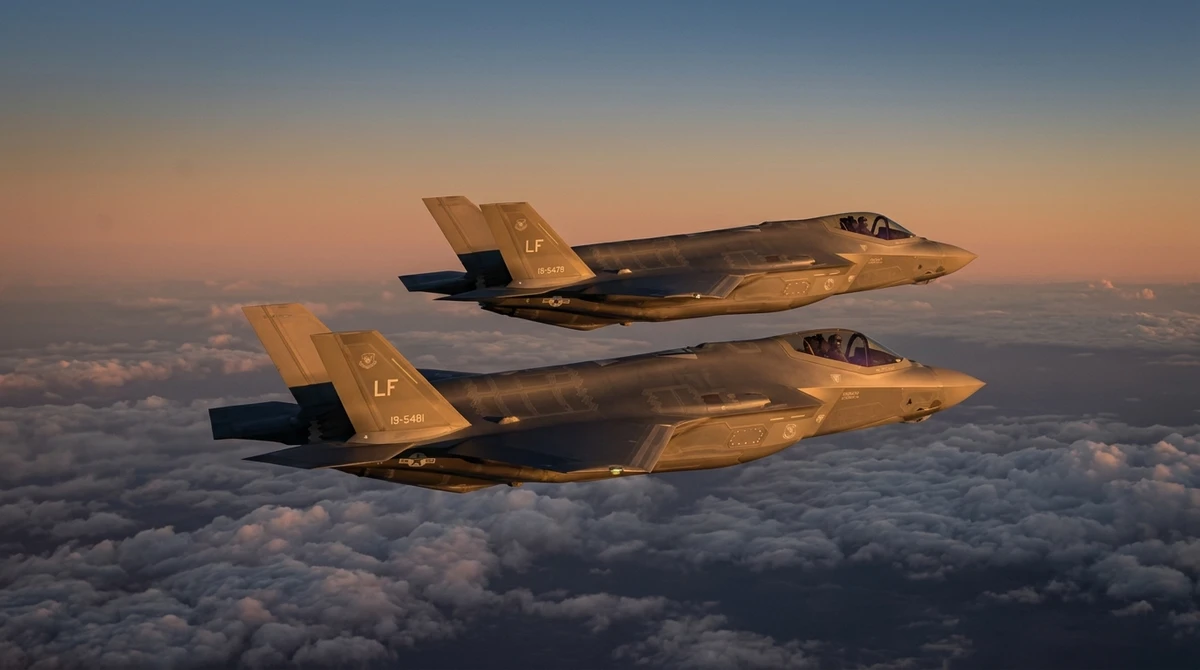
The Department of War and Lockheed Martin announced on October 22 a framework agreement covering 850 US F-35s over 10 years at a steady 156 aircraft a year, an arrangement that requires multiyear authority and appropriations from Congress before any contract is awarded.
US Air Force Wants 1,509 Combat-Coded Fighters by 2035 as F-35 Share Rises to About 40%
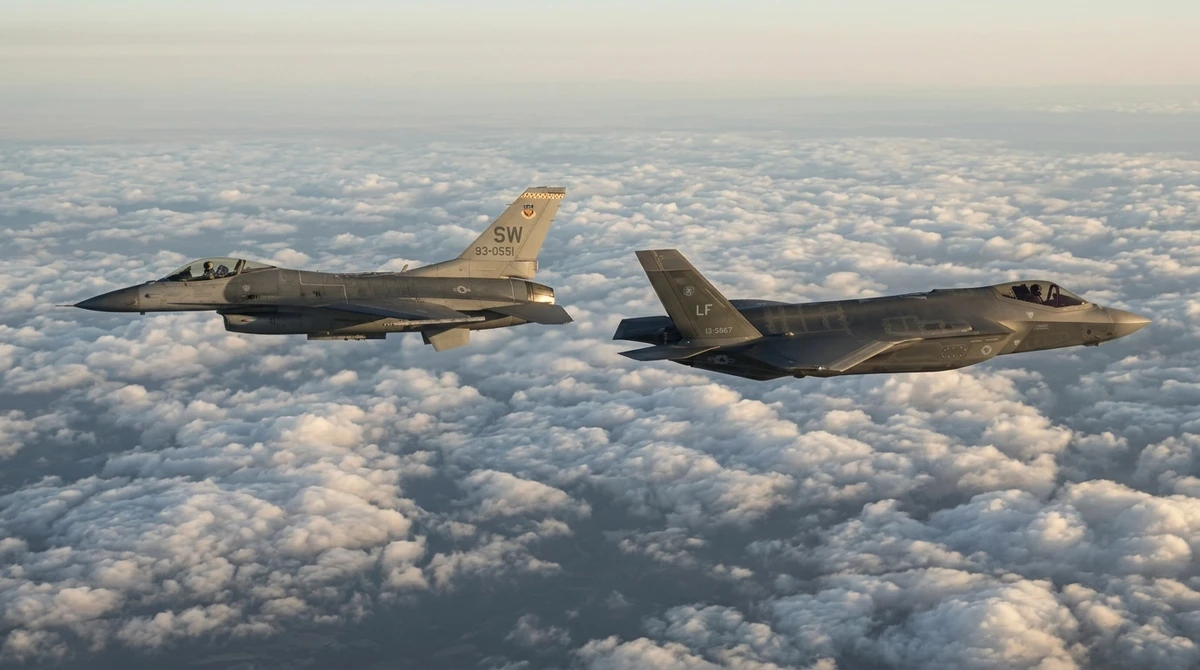
The US Air Force told Congress on October 16, 2026 that it needs 1,509 combat-coded fighters by 2035; GlobalMilitary.net sets the report's approximate type shares against its own count of 1,816 USAF F-16s, F-35As, F-15s and F-22s.
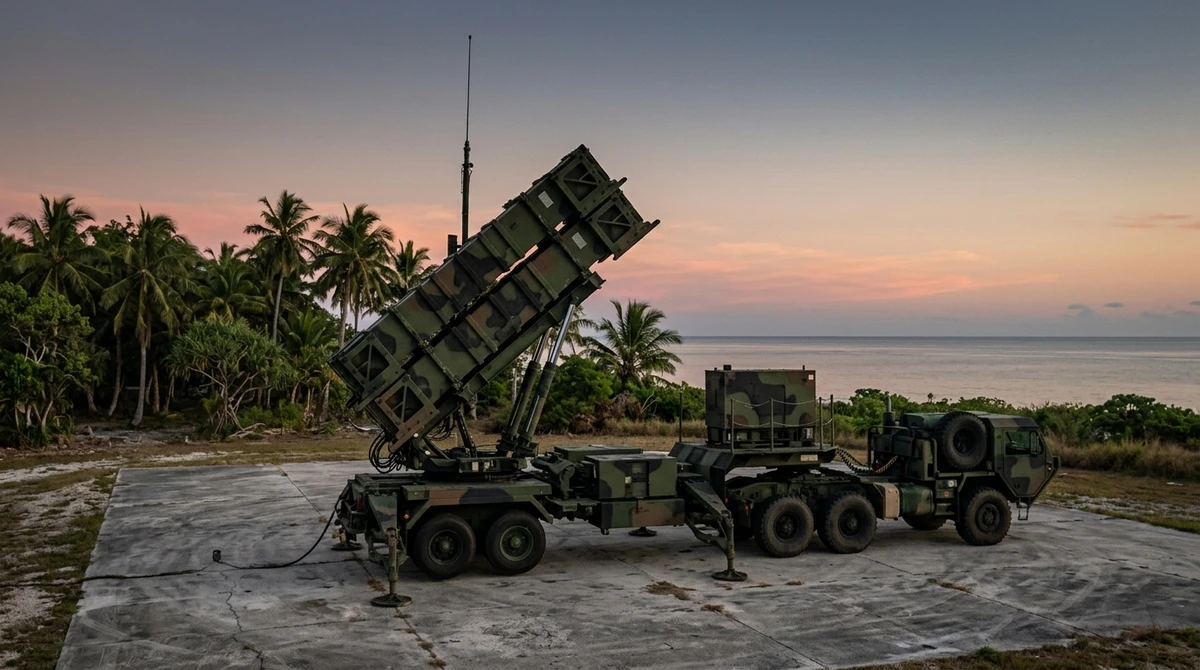
US Army Activates Air Defense Battalion on Guam as Its Part of the Guam Defense System
The 3rd Battalion, 43rd Air Defense Artillery Regiment was activated at Andersen Air Force Base on October 16, 2026, building on more than a decade of Task Force Talon operations on Guam and, per an Army spokesperson quoted by The War Zone, set to field Patriot and Enduring Shield.
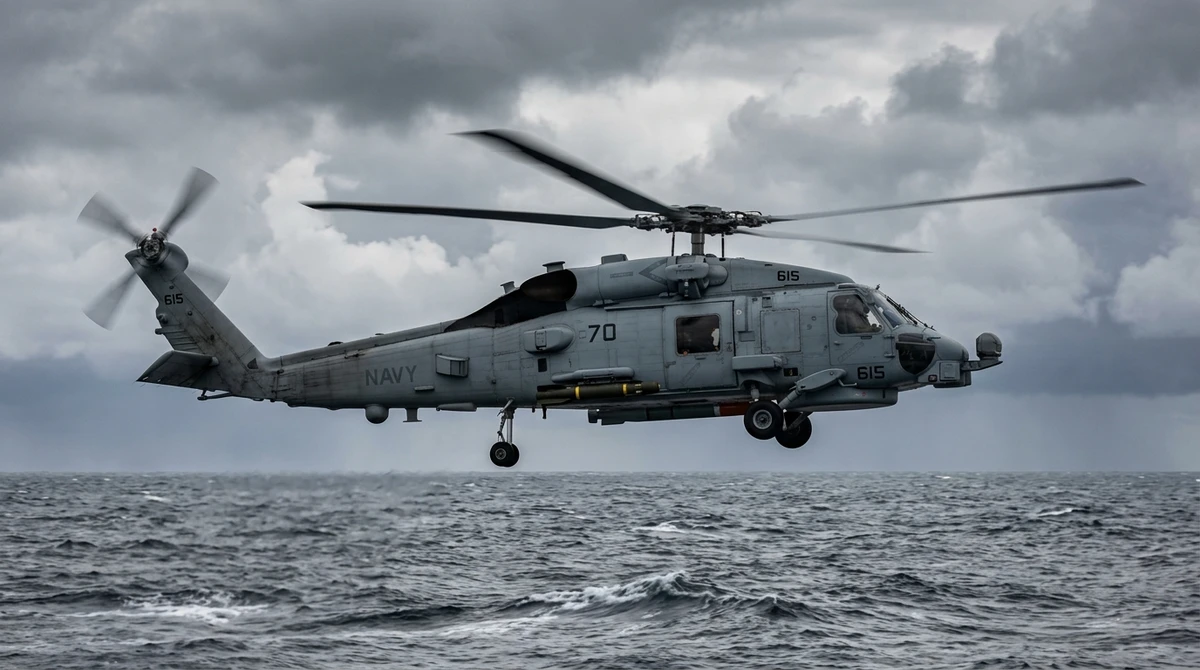
New Zealand's MH-60R Order Makes 15 Seahawk Operators; the SH-2 Seasprite Is Down to Three
New Zealand signed on 16 October to buy five MH-60R Seahawks, delivered from 2030, to replace its five SH-2G Super Seasprites, bringing the naval Seahawk family to 15 operators in GlobalMilitary.net's data while the Seasprite is left with 17 helicopters and three operators.