
Azerbaijani Air Force
The Azerbaijani Air Force operates 211 military aircraft in 2026 — 39 combat aircraft (fighter and attack jets), 101 helicopters, 4 transport aircraft, 43 drones, 24 trainers. It ranks #60 of 161 air forces worldwide, with 35 more aircraft on order.
Full inventory in 2026
21 aircraft typesAzerbaijan Air Force
| Aircraft | Origin | Model year | Active | Δ YoY | Ordered | |
|---|---|---|---|---|---|---|
| Combat | ||||||
|
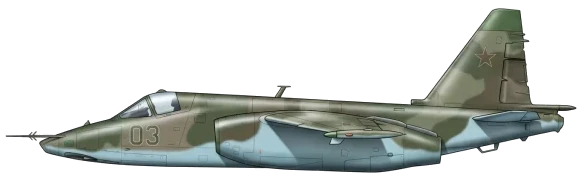
Su-25 | 🇷🇺 Ex-USSR | 1981 | 20 | +1 | — |
|
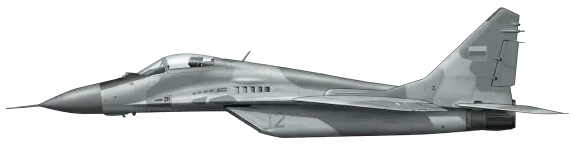
MiG-29 | 🇷🇺 Ex-USSR | 1983 | 14 | -1 | — |
|
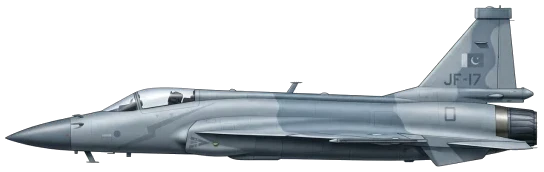
JF-17 |
🇨🇳 China 🇵🇰 Pakistan |
2007 | 5 | +5 | +35 |
| Helicopter | ||||||
|
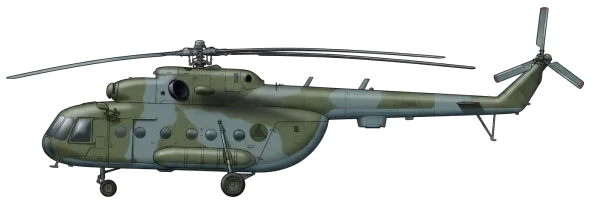
Mi-8/17 | 🇷🇺 Ex-USSR | 1967 | 41 | -23 | — |
|
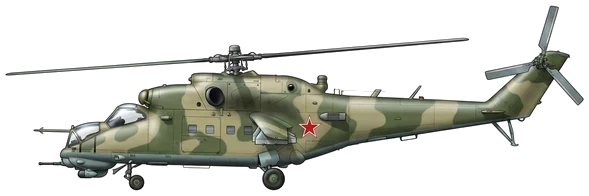
Mi-35M | 🇷🇺 Russia | 1972 | 24 | +24 | — |
|
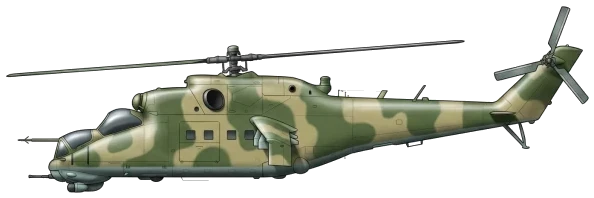
Mi-24 | 🇷🇺 Ex-USSR | 1972 | 23 | +7 | — |
|
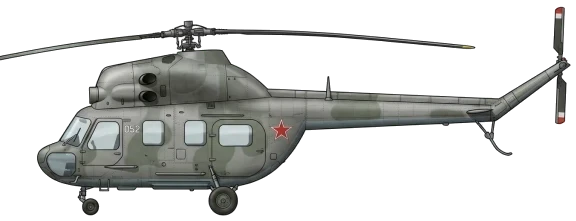
Mi-2 | 🇷🇺 Ex-USSR | 1965 | 7 | — | — |
|
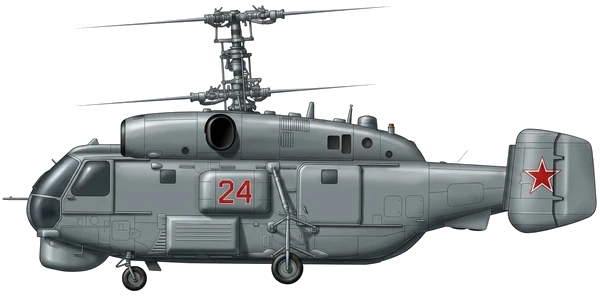
Ka-32 | 🇷🇺 Ex-USSR | 1982 | 3 | -1 | — |
|
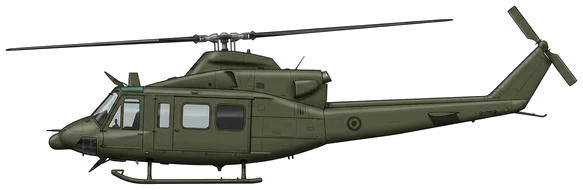
Bell 412 |
🇨🇦 Canada 🇺🇸 United States |
1981 | 3 | +1 | — |
| Transport | ||||||
|
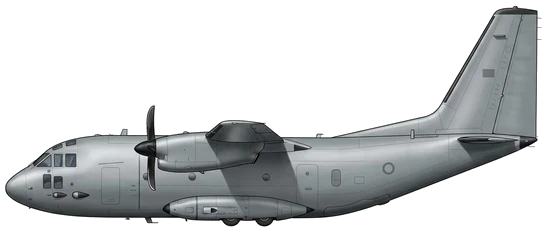
C-27J | 🇮🇹 Italy | 2006 | 2 | +1 | — |
|
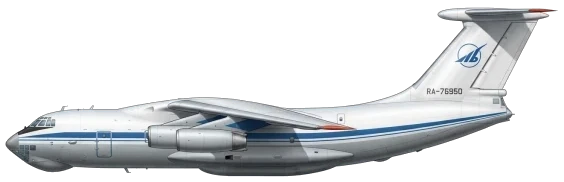
Il-76 | 🇷🇺 Ex-USSR | 1974 | 2 | — | — |
| Training | ||||||
|
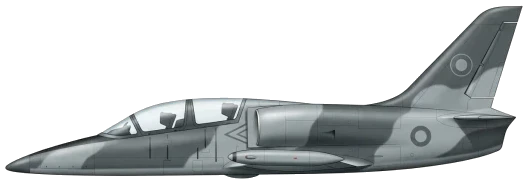
L-39 | 🇨🇿 Czechia | 1972 | 14 | — | — |
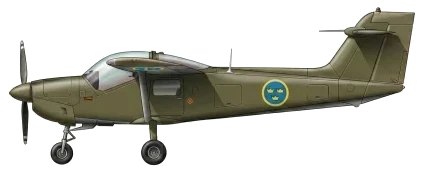
|
MFI-395 | 🇸🇪 Sweden | 1972 | 10 | — | — |
| UAV | ||||||
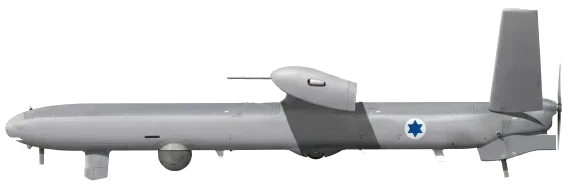
|
Hermes 450 | 🇮🇱 Israel | 1998 | 10 | +10 | — |
| Orbiter 3 | 🇮🇱 Israel | — | 10 | +10 | — | |
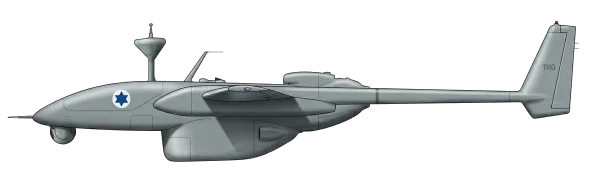
|
Heron | 🇮🇱 Israel | 2005 | 5 | +5 | — |
| Searcher | 🇮🇱 Israel | 1992 | 5 | +5 | — | |
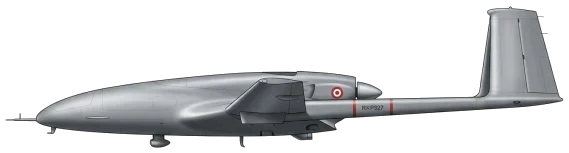
|
Bayraktar TB2 | 🇹🇷 Turkey | 2014 | 5 | +5 | — |
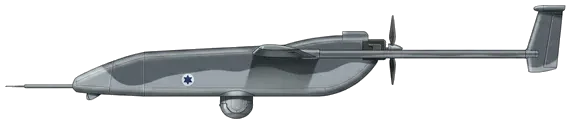
|
Aerostar | 🇮🇱 Israel | 2000 | 4 | +4 | — |
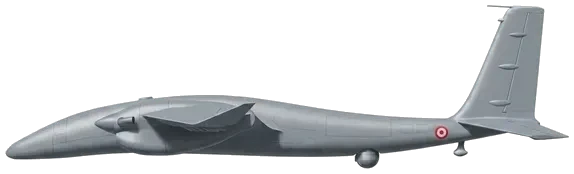
|
Bayraktar Akıncı | 🇹🇷 Turkey | 2021 | 2 | +2 | — |
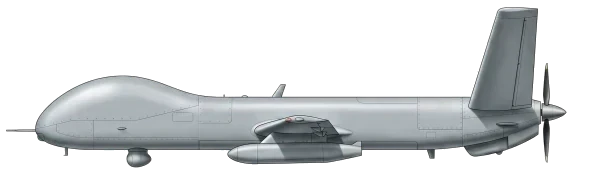
|
Hermes 900 | 🇮🇱 Israel | 2012 | 2 | +2 | — |
Overview
The Azerbaijani Air Force (AzAF) is structurally integrated with the nation's Air and Air Defence Troops, reflecting a doctrine where control of the air and ground-based air defense are managed under a unified command. This structure has evolved from its Soviet origins towards a more flexible, Western-influenced model. The force is organized around a network of air bases hosting fighter, attack, transport, and helicopter squadrons.
Its strategic doctrine, codified in 2010, has been shaped by the objective of restoring territorial integrity. This has driven a pragmatic and investment-heavy approach to capability development, prioritizing asymmetric advantages and technological superiority over a potential adversary. The AzAF's operational concept emphasizes network-centric warfare, integrating unmanned aerial vehicles (UAVs), special operations forces, and conventional air assets. A diverse range of international partnerships, most notably with Turkey, Israel, and Pakistan, is fundamental to this doctrine, facilitating technology transfer, joint training, and the adoption of modern operational tactics.
The 2020 Nagorno-Karabakh war was a defining engagement for the AzAF. Its performance was characterized by the systematic and highly effective use of UAVs and loitering munitions. The conflict began with a deliberate campaign to suppress and destroy enemy air defense systems, using a combination of remotely-piloted An-2 biplanes as decoys and armed drones for strikes. This strategy quickly established air superiority, enabling UAVs to conduct widespread reconnaissance and precision attacks on ground forces, command posts, and logistics with decisive effect. The role of manned combat aircraft, such as the MiG-29 and Su-25, was comparatively limited, a tactical choice to mitigate risk and leverage the proven effectiveness of the unmanned fleet for the primary combat roles.
The centerpiece of current modernization is the acquisition of the Pakistan-made JF-17 Thunder Block III multirole fighter, a move that will replace aging Soviet-era jets and reduce dependency on Russian suppliers. This program includes advanced munitions, notably Turkish air-to-air missiles, enhancing interoperability. The existing Su-25 attack aircraft fleet is also undergoing upgrades with Turkish assistance, integrating modern avionics and guided weapons.
Frequently Asked Questions
How many aircraft does Azerbaijan have?
How does Azerbaijan's air force rank globally?
How many combat aircraft does Azerbaijan operate?
How many military helicopters does Azerbaijan have?
What is the AIRS Index score of Azerbaijan?
Where does Azerbaijan get its military aircraft from?
- SEP 262026 Updated Logged 1 fleet event from 2025: 1 delivery
- SEP 232026 Updated C-27J transport fleet now two aircraft with the order completed; Mi-35M helicopters linked to their own page.
- SEP 32026 Updated Bell 412 fleet now linked to its own type page instead of the UH-1 Iroquois
- AUG 202026 Updated First UAV inventory pass: 8 types added to the 2026 snapshot (the TB2 and Akıncı counts are floors)
- JUL 242026 Updated C-27J fleet entry linked to its aircraft page; MiG-29 fleet entry linked to its aircraft page
- FEB 212026 Updated 13 aircraft types added
- JUN 252025 Updated Air force overview reviewed and updated