Hellenic Air Force
Key facts
| Official Name | Hellenic Air Force |
| Local Name | Πολεμική Αεροπορία (Polemikí Aeroporía) |
| Country | 🇬🇷 Greece |
| World rank | #16 |
| Active aircraft | 626 as of 2026 |
| Aircraft on order | 55 |
| Roundel |
|

Global Air Force Index
| 💥 Strategic Bombers | 0 | Nuclear-capable strike aircraft (highest weight) |
| ✈️ Combat Aircraft | 217 | Fighters, multirole & attack aircraft |
| 🚁 Helicopters | 300 | Attack, transport & utility rotorcraft |
| 🛫 Transport | 48 | Strategic & tactical airlift |
| 📊 Total Active | 626 | All aircraft types |
Methodology: Square root scaled index weighted by aircraft combat capability. Strategic bombers score highest due to nuclear strike capability.
Aircraft by type in 2026
| Aircraft type | Active | |
|---|---|---|
 Helicopter
|
300 | |
 Combat
|
217 | |
 Training
|
55 | |
 Transport
|
48 | |
 Special
|
6 | |
Origin countries of aircraft
| Country | Active Aircraft | |
|---|---|---|
| 🇺🇸 United States | 499 | |
| 🇫🇷 France | 80 | |
| 🇮🇹 Italy | 43 | |
| 🇩🇪 Germany | 32 | |
| 🇳🇱 Netherlands | 20 | |
| 🇨🇦 Canada | 19 | |
| 🇬🇧 United Kingdom | 5 | |
| 🇧🇷 Brazil | 5 | |
Evolution of Greek Air Force fleet
Overview
The Hellenic Air Force (HAF) is a modern and capable force structured to execute a defensive doctrine centered on credible deterrence. Its primary strategic concern is the defense of national sovereignty and territorial integrity, with a particular focus on the Aegean Sea. This doctrine is framed by a national military strategy aimed at deterring threats, primarily from Turkey, while also contributing to regional stability in the Eastern Mediterranean and the Balkans as a member of NATO. The HAF is also a guarantor of security for the Republic of Cyprus, requiring the capability to project power over significant distances.
The HAF's command and control hierarchy is organized under the Hellenic Air Force General Staff, which oversees operations, personnel, support, and policy development. This centralized structure facilitates the quick and flexible deployment of assets across the Greek mainland and its numerous islands. Operationally, the HAF's capabilities are built around a diverse combat aircraft fleet. This includes upgraded F-16s, Mirage 2000s, and a diminishing number of F-4 Phantoms. A key component of its operational posture involves its significant contribution to NATO's integrated air defense, including air policing missions over Albania, Montenegro, and North Macedonia, controlled from NATO's Combined Air Operations Centre in Spain.
The HAF is undergoing a program known as "Agenda 2030." This involves the acquisition of 4.5-generation Dassault Rafale fighters and a future procurement of 5th-generation F-35 jets. A cornerstone of this modernization is the upgrade of a significant portion of the F-16 fleet to the advanced 'Viper' configuration. These programs are designed to enhance air superiority, precision strike, and surveillance capabilities, ensuring interoperability with allied forces. This drive is complemented by investments in advanced munitions and an overarching goal to develop the domestic defense industry. The force maintains a high state of readiness, though consistent budget constraints present an ongoing challenge to the pace of modernization and overall operational sustainment.
Full inventory in 2026
Hellenic Air Force
| Aircraft Type | Model | Origin Country | Model Year | Active | 𝚫 YoY | Ordered | ||
|---|---|---|---|---|---|---|---|---|
| Combat |
F-16C | 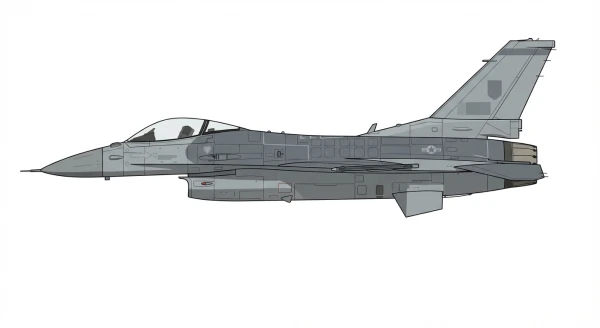 |
🇺🇸 | 1979 | 113 | 0 |
0 |
|
| Combat |
F-16D | |
🇺🇸 | 1979 | 39 | 0 |
0 |
|
| Combat |
Rafale DG/EG | 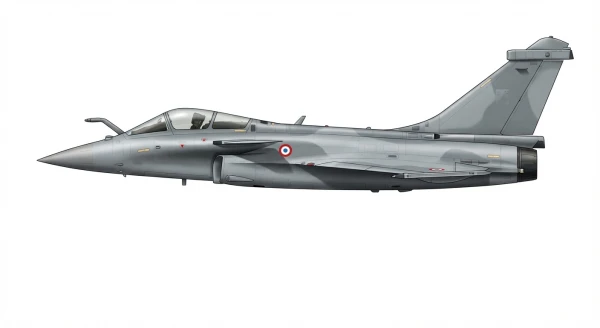 |
🇫🇷 | 2001 | 24 | +5 |
0 |
|
| Combat |
Mirage 2000-5/Mk II |  |
🇫🇷 | 1983 | 24 | 0 |
0 |
|
| Combat |
F-4E | 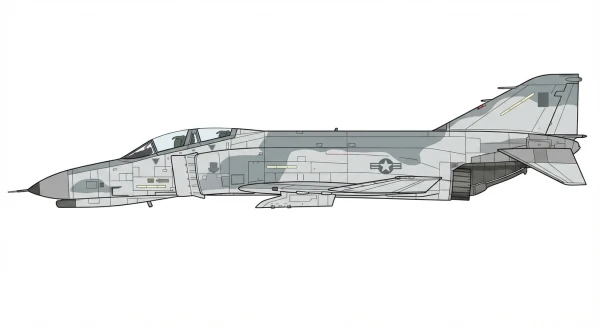 |
🇺🇸 | 1962 | 17 | 0 |
0 |
|
| Combat |
F-35A | 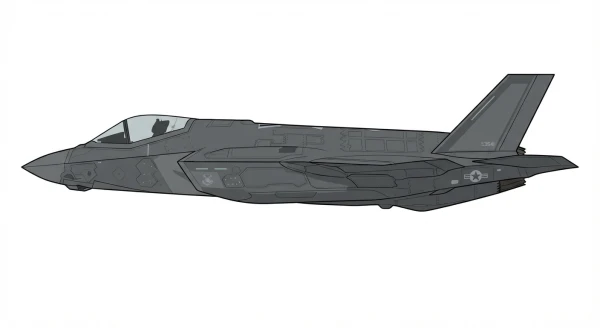 |
🇺🇸 | 2013 | 0 | 0 |
20 |
|
| Combat |
Mirage 2000EG | |
🇫🇷 | 1983 | 0 | -5 |
0 |
|
| Helicopter |
H215M/AS332 | 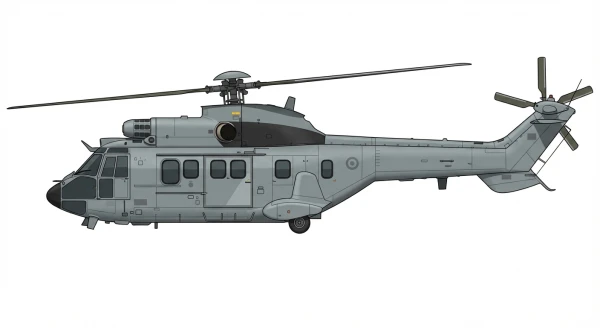 |
🇩🇪 🇫🇷 | 1978 | 12 | 0 |
0 |
|
| Helicopter |
Bell 205 | 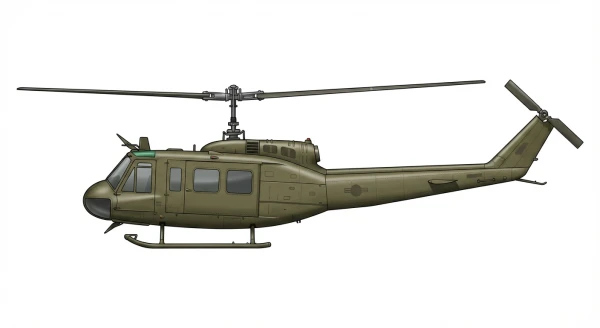 |
🇺🇸 | 1959 | 12 | 0 |
0 |
|
| Helicopter |
AW109 | 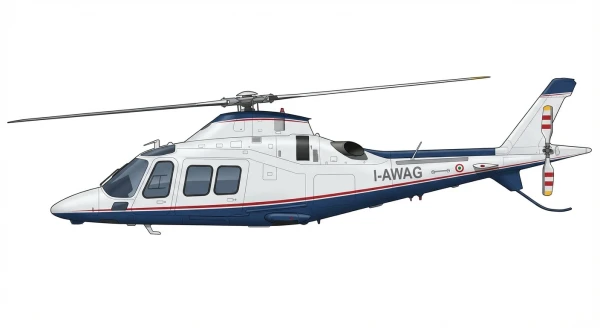 |
🇬🇧 🇮🇹 | 1976 | 5 | +3 |
0 |
|
| Transport |
C-130B/H | 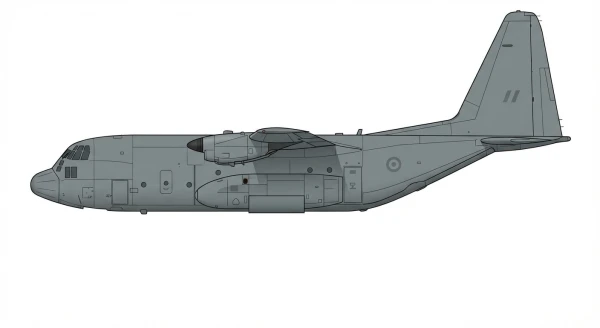 |
🇺🇸 | 1956 | 15 | +10 |
0 |
|
| Transport |
CL-215GR | 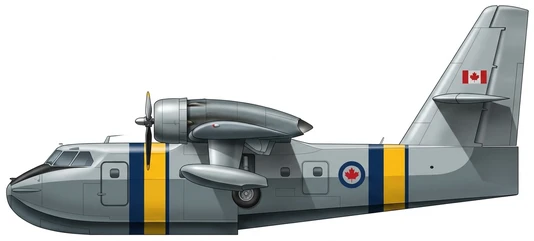 |
🇨🇦 | 1969 | 11 | +11 |
0 |
|
| Transport |
C-27J | 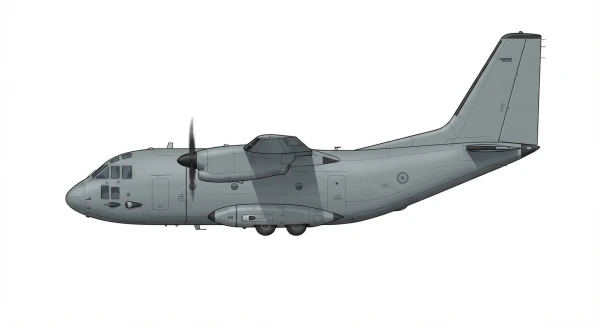 |
🇮🇹 | 1978 | 8 | 0 |
0 |
|
| Transport |
CL-415 | 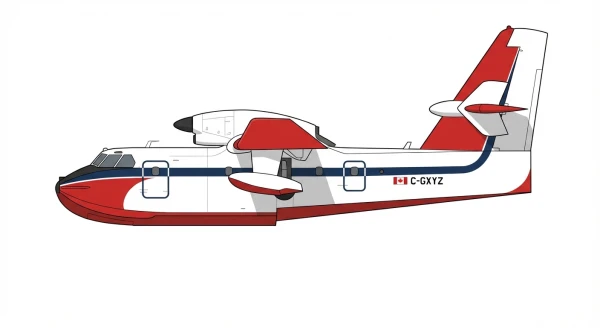 |
🇨🇦 | 1994 | 8 | +7 |
0 |
|
| Transport |
ERJ-145 | 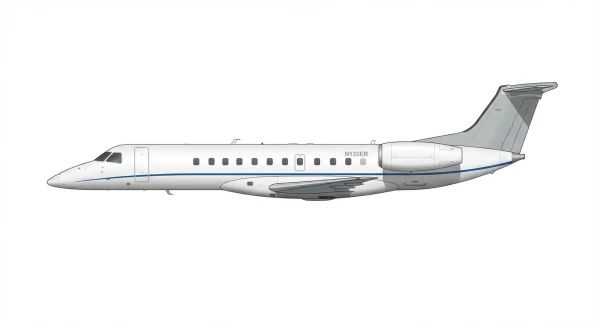 |
🇧🇷 | 1997 | 4 | 0 |
0 |
|
| Transport |
EMB-135 | |
🇧🇷 | 1997 | 1 | +1 |
0 |
|
| Transport |
Gulfstream V | 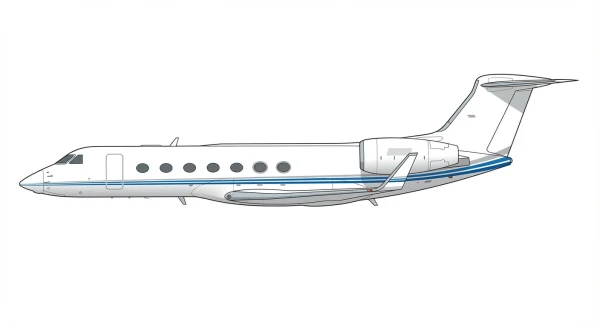 |
🇺🇸 | 1997 | 1 | +1 |
0 |
|
| Training |
T-6A | 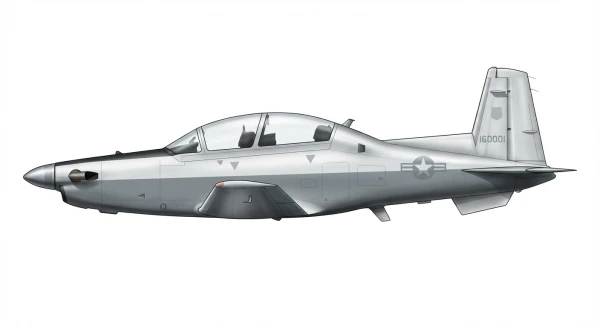 |
🇺🇸 | 2001 | 45 | 0 |
0 |
|
| Training |
M-346 | 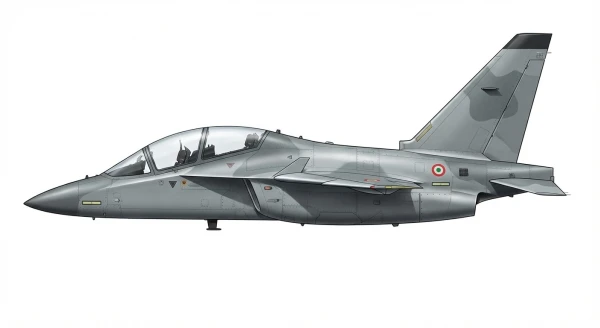 |
🇮🇹 | 2015 | 10 | +7 |
0 |
|
| Special |
King Air 350 | 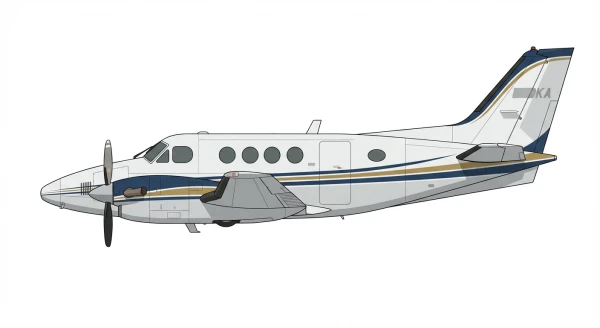 |
🇺🇸 | 1964 | 3 | +1 |
0 |
|
| Special |
P-3B | 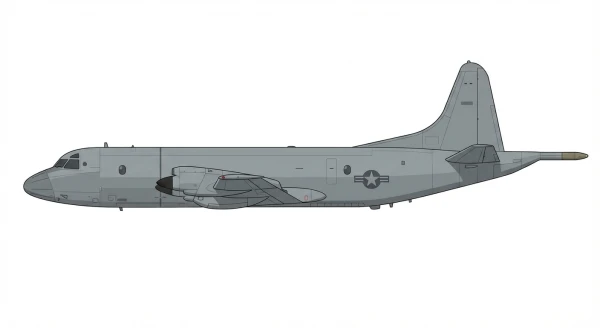 |
🇺🇸 | 1962 | 1 | 0 |
0 |
Hellenic Army Aviation
| Aircraft Type | Model | Origin Country | Model Year | Active | 𝚫 YoY | Ordered | ||
|---|---|---|---|---|---|---|---|---|
| Helicopter |
UH-1H | |
🇺🇸 | 1959 | 63 | 0 |
0 |
|
| Helicopter |
OH-58 | 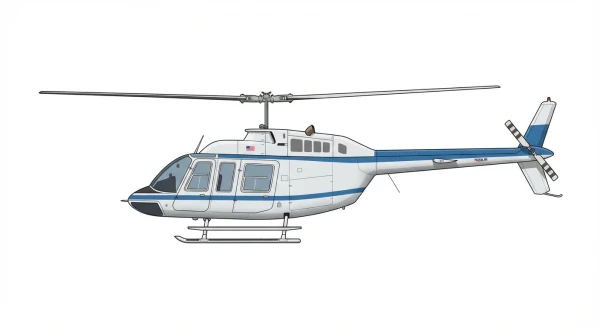 |
🇺🇸 | 1967 | 57 | 0 |
0 |
|
| Helicopter |
AH-64A/D | 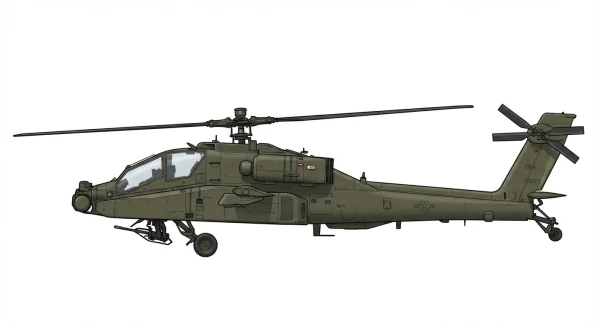 |
🇺🇸 | 1984 | 29 | 0 |
0 |
|
| Helicopter |
Bell 205 | |
🇺🇸 | 1959 | 27 | 0 |
0 |
|
| Helicopter |
CH-47D/SD | 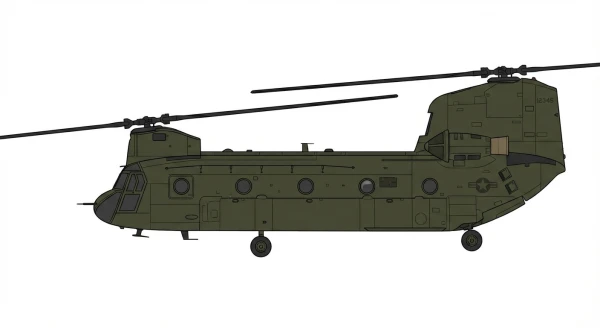 |
🇺🇸 | 1962 | 20 | -5 |
0 |
|
| Helicopter |
NH90 (TTH) | 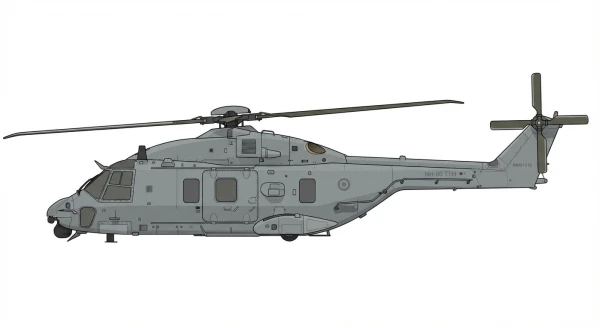 |
🇩🇪 🇫🇷 🇮🇹 🇳🇱 | 2004 | 20 | +4 |
0 |
|
| Helicopter |
Hughes 269 | 🇺🇸 | 1961 | 18 | 0 |
0 |
||
| Helicopter |
Bell 206 | |
🇺🇸 | 1967 | 11 | 0 |
0 |
|
| Helicopter |
S-70/UH-60 | 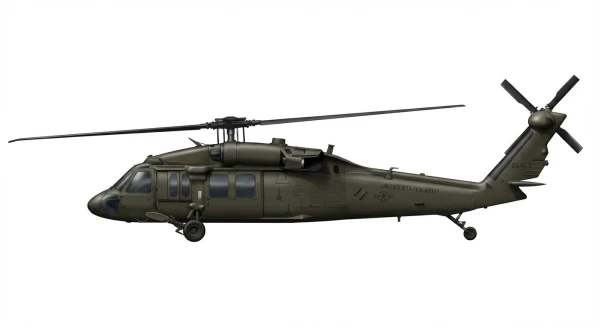 |
🇺🇸 | 1979 | 0 | -35 |
35 |
|
| Special |
King Air 200 | |
🇺🇸 | 1964 | 2 | 0 |
0 |
Hellenic Navy
| Aircraft Type | Model | Origin Country | Model Year | Active | 𝚫 YoY | Ordered | ||
|---|---|---|---|---|---|---|---|---|
| Helicopter |
S-70/MH-60R | |
🇺🇸 | 1979 | 18 | +4 |
0 |
|
| Helicopter |
Bell 212 | |
🇺🇸 | 1959 | 8 | +1 |
0 |
Frequently Asked Questions
How many aircraft does Greece have?
How does Greece's air force rank globally?
How many combat aircraft does Greece operate?
How many military helicopters does Greece have?
What is the Air Force Index of Greece?
Where does Greece get its military aircraft from?
Last updated on 1 January 2026. Suggest a change