Islamic Republic of Iran Air Force
Key facts
| Official Name | Islamic Republic of Iran Air Force |
| Local Name | نیروی هوایی ارتش جمهوری اسلامی ایران (Nīrvī-ye Havāyī-ye Arteš-e Jomhūrī-ye Eslāmī-ye Īrān) |
| Country | 🇮🇷 Iran |
| World rank | #30 |
| Active aircraft | 620 as of 2026 |
| Aircraft on order | 0 |
| Roundel |
|

Global Air Force Index
| 💥 Strategic Bombers | 0 | Nuclear-capable strike aircraft (highest weight) |
| ✈️ Combat Aircraft | 286 | Fighters, multirole & attack aircraft |
| 🚁 Helicopters | 160 | Attack, transport & utility rotorcraft |
| 🛫 Transport | 81 | Strategic & tactical airlift |
| 📊 Total Active | 627 | All aircraft types |
Methodology: Square root scaled index weighted by aircraft combat capability. Strategic bombers score highest due to nuclear strike capability.
Aircraft by type in 2026
| Aircraft type | Active | |
|---|---|---|
 Combat
|
279 | |
 Helicopter
|
160 | |
 Training
|
88 | |
 Transport
|
81 | |
 Special
|
12 | |
Origin countries of aircraft
| Country | Active Aircraft | |
|---|---|---|
| 🇺🇸 United States | 324 | |
| 🇨🇳 Ex-USSR | 124 | |
| 🇨🇭 Switzerland | 60 | |
| 🇨🇳 China | 30 | |
| 🇫🇷 France | 27 | |
| 🇸🇪 Sweden | 25 | |
| 🇳🇱 Netherlands | 12 | |
| 🇧🇷 Brazil | 10 | |
| 🇷🇺 Russia | 8 | |
Evolution of Iranian Air Force fleet
7 recent updates applied to this inventory
| Date | Aircraft | Active Δ | Ordered Δ |
|---|---|---|---|
| 1 Mar 2026 | F-4D/E/RF-4E | -1 | — |
| F-4 Phantom destroyed on runway at Tabriz airport by IDF airstrike while preparing for takeoff. [Source] | |||
| 1 Mar 2026 | F-5E | -1 | — |
| F-5E Tiger II destroyed on runway at Tabriz airport by IDF airstrike while preparing for takeoff. [Source] | |||
| 28 Feb 2026 | MiG-29 | -2 | — |
| Multiple MiG-29s shot down by US F-35s after scrambling from Mazariyeh AB; first confirmed F-35 air-to-air kills. [Source] | |||
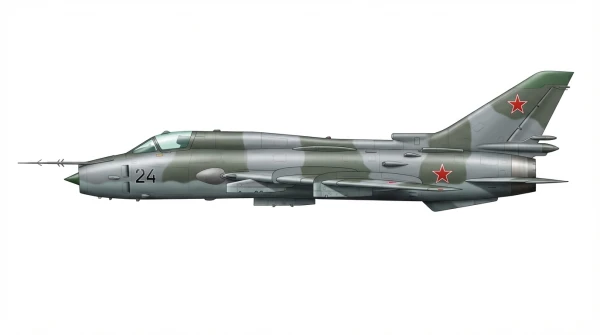
| 28 Feb 2026 | Su-22 | -2 | — |
| Two IRGC Su-22 Fitter aircraft destroyed on ground at Iranian military airfield by USAF precision strikes; CENTCOM released strike footage. [Source] | |||
| 24 Feb 2026 | AH-1J | -1 | — |
| AH-1J crashed into market in Dorcheh, Isfahan during training; both pilots and 2 civilians killed. [Source] | |||
| 19 Feb 2026 | F-4D/E/RF-4E | -1 | — |
| Crashed during night training mission near Hamedan; 1 pilot killed, 1 survived. [Source] | |||
| 28 Jan 2026 | Mi-28 | +1 | — |
| First Mi-28NE attack helicopter delivered from Russia; photographed at Mehrabad Airport, Tehran. [Source] | |||
Overview
The Islamic Republic of Iran’s air power is defined by a dual structure, splitting capabilities between the conventional Islamic Republic of Iran Air Force (IRIAF) and the Islamic Revolutionary Guard Corps Aerospace Force (IRGC-ASF). This division reflects a strategic doctrine shaped by long-standing international sanctions and regional rivalries. The IRIAF is primarily responsible for air defense, while the IRGC-ASF has developed significant asymmetric capabilities, including a large arsenal of ballistic missiles and unmanned aerial vehicles (UAVs). This doctrine prioritizes deterrence by threatening to inflict significant damage on technologically superior adversaries, thereby elevating the potential cost of an attack.
Operationally, Iran's air power presents a mixture of aging and modern systems. The IRIAF operates a fleet of American-made aircraft acquired before 1979, such as the F-4 Phantom II and F-14 Tomcat, alongside Soviet and Chinese models. Sanctions have severely constrained the IRIAF, leading to significant maintenance challenges and a dependency on a domestic industry for parts and upgrades. Consequently, the conventional air force's primary role is defensive, focused on protecting Iranian airspace. In contrast, the IRGC has employed its more modern assets, particularly UAVs, in recent regional conflicts for reconnaissance and strike missions.
Modernization efforts are heavily influenced by strategic priorities and constraints. With limited access to modern foreign fighter aircraft, Iran has focused on indigenous development and specific procurements. The IRIAF is inducting Russian Yak-130 trainers, which can also serve in a light-attack role. However, the main thrust of modernization is in the areas where Iran has achieved greater self-sufficiency and strategic advantage. The IRGC continues to expand and enhance its UAV and missile programs, which have been proven in domestic exercises and regional conflicts. Iran also continues to bolster its integrated air defense network through reverse-engineering, upgrading older systems, and developing new domestic platforms.
Full inventory in 2026
Islamic Republic of Iran Air Force
| Aircraft Type | Model | Origin Country | Model Year | Active | 𝚫 YoY | Ordered | ||
|---|---|---|---|---|---|---|---|---|
| Combat |
F-4D/E/RF-4E | 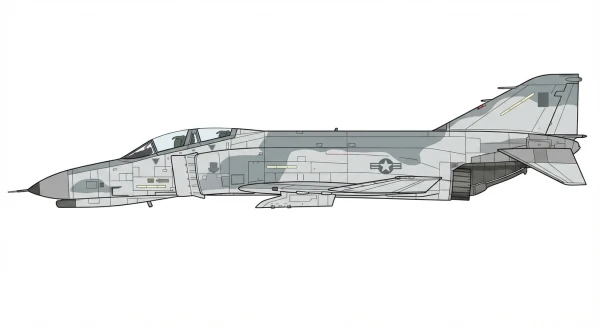 |
🇺🇸 | 1962 | 61 | -4 |
0 |
|
| Combat |
F-5E | 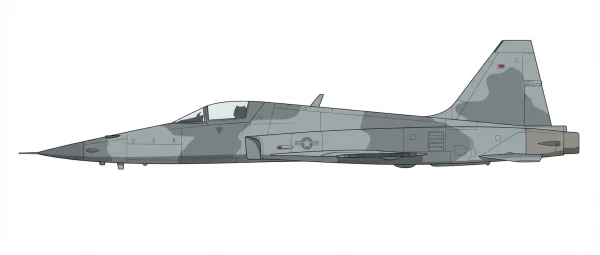 |
🇺🇸 | 1976 | 43 | +8 |
0 |
|
| Combat |
F-14 | 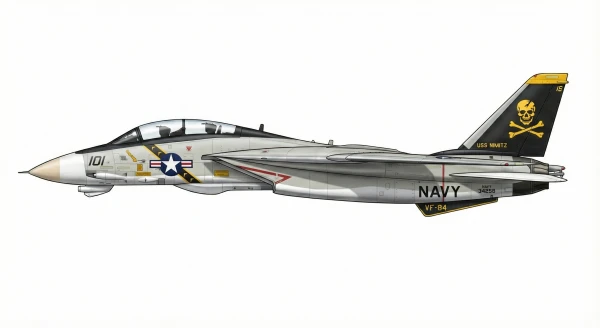 |
🇺🇸 | 1972 | 35 | -6 |
0 |
|
| Combat |
MiG-29 | 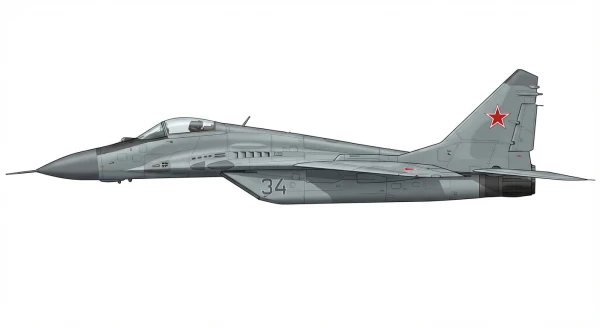 |
🇨🇳 | 2009 | 28 | +4 |
0 |
|
| Combat |
Su-24 | 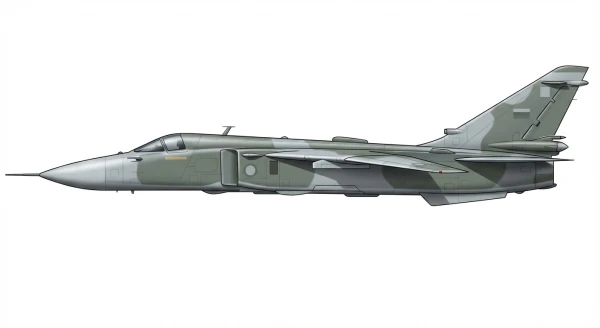 |
🇨🇳 | 1973 | 30 | +9 |
0 |
|
| Combat |
F-7 | 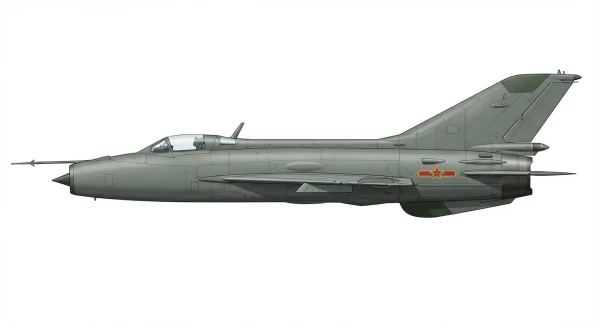 |
🇨🇳 | 1966 | 24 | +7 |
0 |
|
| Combat |
Mirage F1EQ | 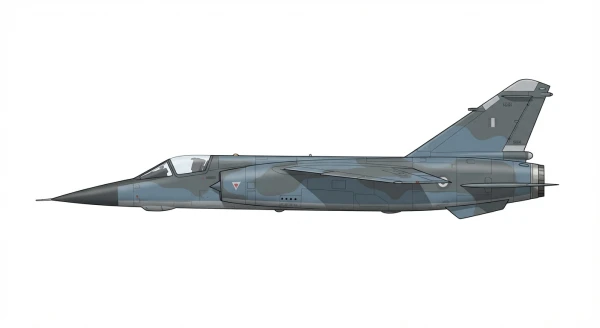 |
🇫🇷 | 1973 | 17 | +5 |
0 |
|
| Combat |
F-5F | 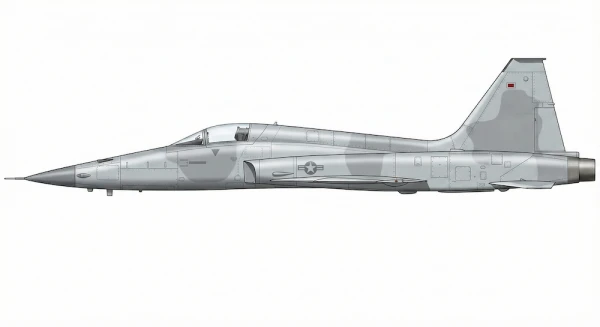 |
🇺🇸 | 1965 | 16 | +1 |
0 |
|
| Combat |
FT-7 | 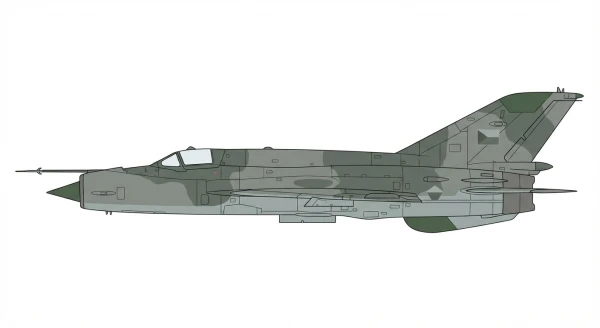 |
🇨🇳 | 1958 | 14 | +14 |
0 |
|
| Combat |
Mirage F1BQ | |
🇫🇷 | 1973 | 6 | +1 |
0 |
|
| Helicopter |
Bell 206 | 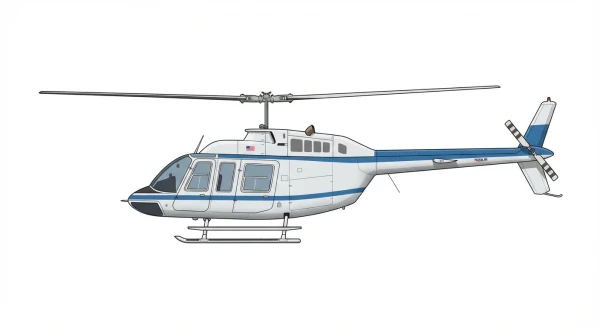 |
🇺🇸 | 1967 | 10 | +7 |
0 |
|
| Helicopter |
CH-47C | 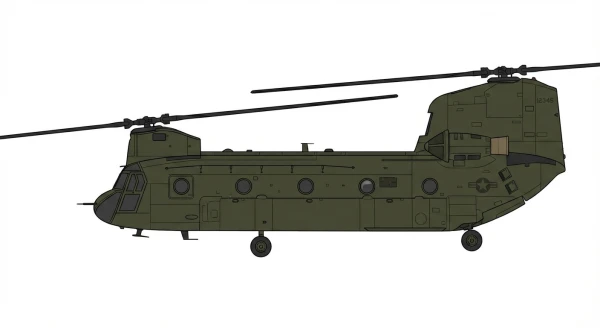 |
🇺🇸 | 1962 | 5 | +3 |
0 |
|
| Helicopter |
Mi-28NE | 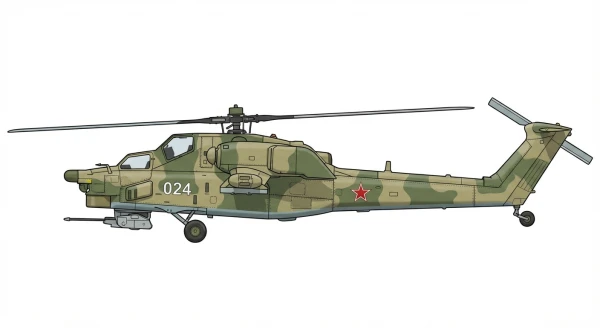 |
🇨🇳 | 2006 | 1 | +1 |
0 |
|
| Helicopter |
Bell 212 | 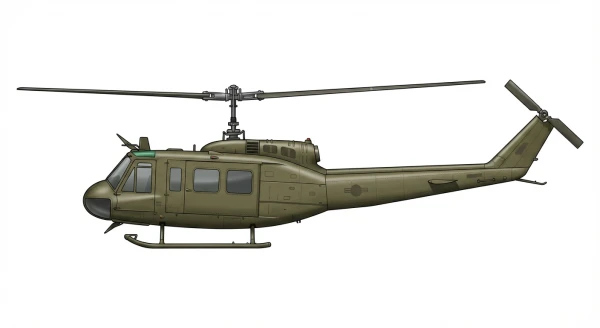 |
🇺🇸 | 1959 | 1 | 0 |
0 |
|
| Transport |
C-130E/H | 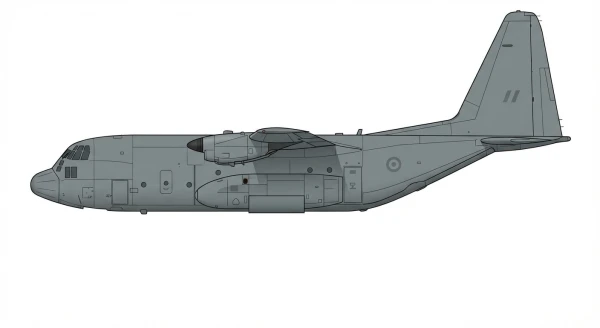 |
🇺🇸 | 1956 | 27 | -1 |
0 |
|
| Transport |
PC-6 | 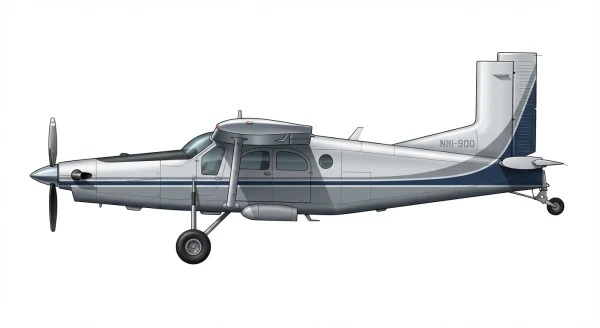 |
🇨🇭 | 1960 | 15 | +2 |
0 |
|
| Transport |
Il-76 | 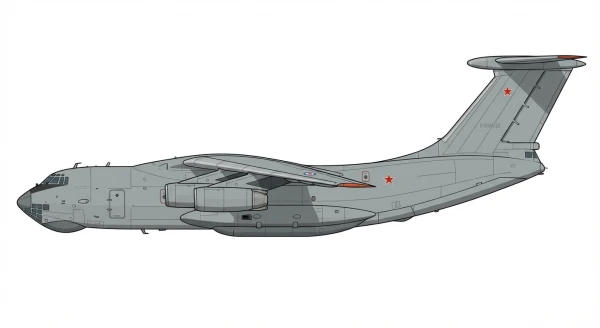 |
🇨🇳 | 1974 | 9 | +3 |
0 |
|
| Transport |
F27 | 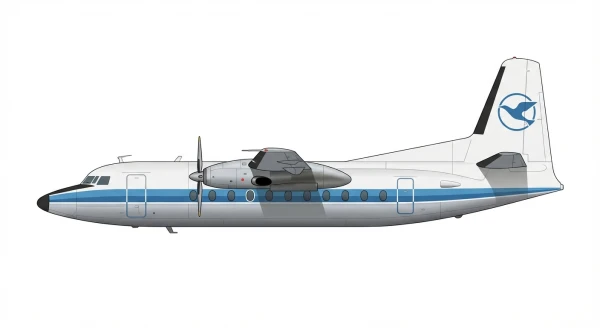 |
🇳🇱 | 1958 | 8 | +3 |
0 |
|
| Transport |
Falcon 20 | 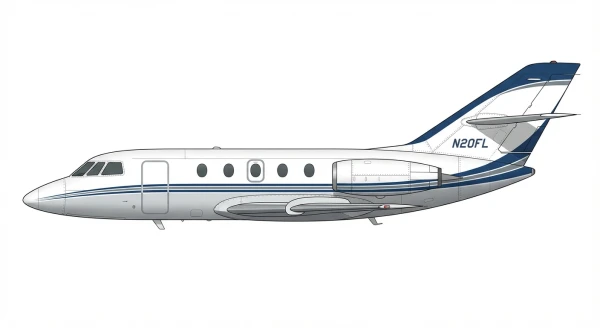 |
🇫🇷 | 1965 | 3 | +3 |
0 |
|
| Transport |
Falcon 50 | 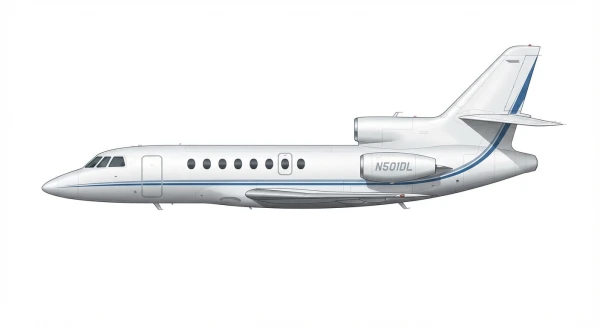 |
🇫🇷 | 1979 | 1 | 0 |
0 |
|
| Training |
PC-7 | 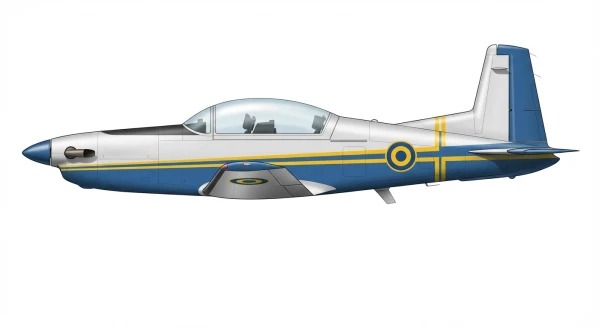 |
🇨🇭 | 1978 | 45 | +11 |
0 |
|
| Training |
MFI-17 | 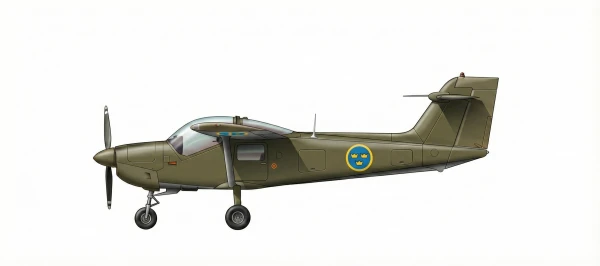 |
🇸🇪 | 1972 | 25 | +25 |
0 |
|
| Training |
Yak-130 | 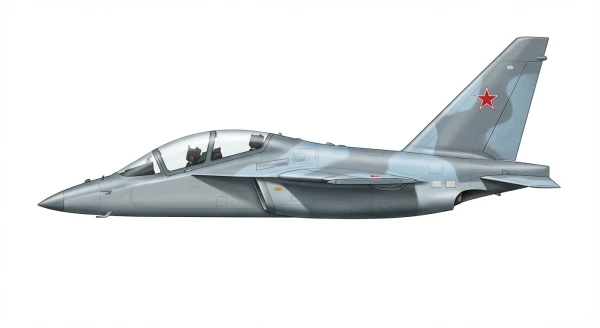 |
🇷🇺 | 2010 | 8 | +6 |
0 |
|
| Special |
747 | 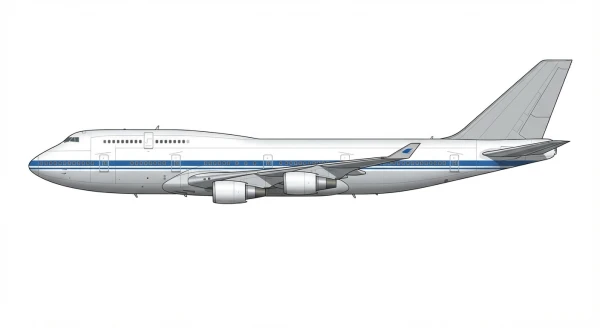 |
🇺🇸 | 1970 | 6 | -3 |
0 |
|
| Special |
707 | 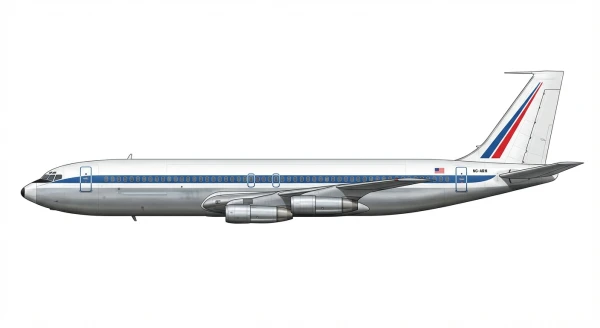 |
🇺🇸 | 1958 | 3 | -2 |
0 |
|
| Special |
P-3F | 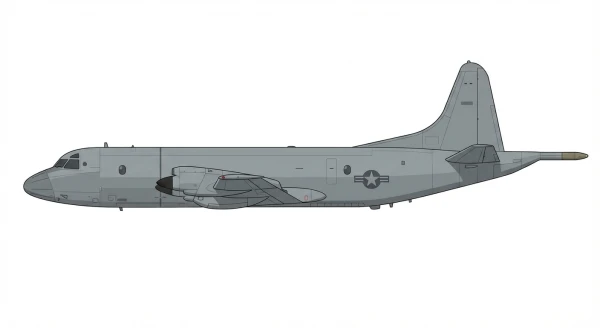 |
🇺🇸 | 1962 | 3 | -2 |
0 |
Islamic Republic of Iran Army
| Aircraft Type | Model | Origin Country | Model Year | Active | 𝚫 YoY | Ordered | ||
|---|---|---|---|---|---|---|---|---|
| Helicopter |
Bell 214 | |
🇺🇸 | 1959 | 30 | +6 |
0 |
|
| Helicopter |
CH-47C | |
🇺🇸 | 1962 | 30 | -8 |
0 |
|
| Helicopter |
AH-1J | 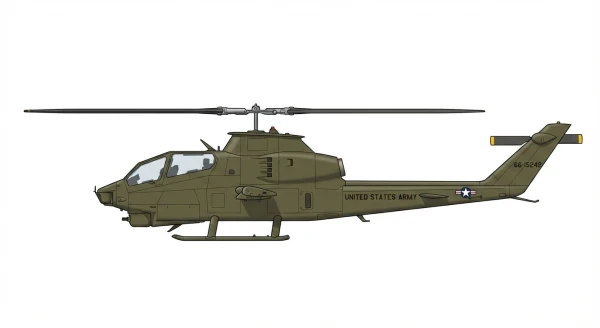 |
🇺🇸 | 1967 | 19 | +6 |
0 |
|
| Helicopter |
Bell 206 | |
🇺🇸 | 1967 | 10 | +7 |
0 |
|
| Helicopter |
Mi-28 | |
🇨🇳 | 2006 | 1 | +1 |
0 |
|
| Transport |
Turbo Commander | 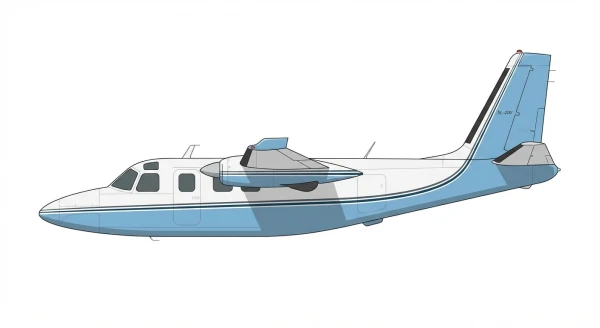 |
🇺🇸 | 1952 | 2 | -1 |
0 |
|
| Transport |
F27 | |
🇳🇱 | 1958 | 1 | 0 |
0 |
Islamic Republic of Iran Navy
| Aircraft Type | Model | Origin Country | Model Year | Active | 𝚫 YoY | Ordered | ||
|---|---|---|---|---|---|---|---|---|
| Helicopter |
Bell 212 | |
🇺🇸 | 1959 | 10 | +2 |
0 |
|
| Helicopter |
S-61/ASH-3D | 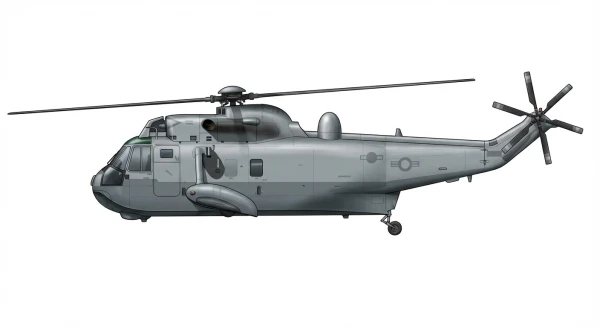 |
🇺🇸 | 1961 | 8 | 0 |
0 |
|
| Helicopter |
Mi-171 | 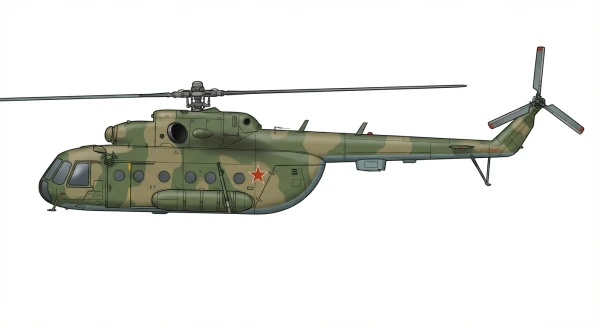 |
🇨🇳 | 1977 | 5 | 0 |
0 |
|
| Transport |
F27 | |
🇳🇱 | 1958 | 3 | 0 |
0 |
Islamic Revolutionary Guard
Frequently Asked Questions
How many aircraft does Iran have?
How does Iran's air force rank globally?
How many combat aircraft does Iran operate?
How many military helicopters does Iran have?
What is the Air Force Index of Iran?
Where does Iran get its military aircraft from?
Last updated on 1 March 2026. Suggest a change