People's Liberation Army Air Force
Key facts
| Official Name | People's Liberation Army Air Force |
| Local Name | 空军 (Kōngjūn) |
| Country | 🇨🇳 China |
| World rank | #2 |
| Active aircraft | 3440 as of 2026 |
| Aircraft on order | 130 |
| Roundel |
|

Global Air Force Index
| 💥 Strategic Bombers | 0 | Nuclear-capable strike aircraft (highest weight) |
| ✈️ Combat Aircraft | 1986 | Fighters, multirole & attack aircraft |
| 🚁 Helicopters | 1019 | Attack, transport & utility rotorcraft |
| 🛫 Transport | 413 | Strategic & tactical airlift |
| 📊 Total Active | 3440 | All aircraft types |
Methodology: Square root scaled index weighted by aircraft combat capability. Strategic bombers score highest due to nuclear strike capability.
Aircraft by type in 2026
| Aircraft type | Active | |
|---|---|---|
 Combat
|
1986 | |
 Helicopter
|
1019 | |
 Transport
|
413 | |
 Training
|
16 | |
 Special
|
6 | |
Origin countries of aircraft
| Country | Active Aircraft | |
|---|---|---|
| 🇨🇳 China | 2581 | |
| 🇨🇳 Ex-USSR | 439 | |
| 🇺🇦 Ukraine | 288 | |
| 🇵🇰 Pakistan | 181 | |
| 🇫🇷 France | 102 | |
| 🇺🇸 United States | 25 | |
| 🇨🇦 Canada | 5 | |
Evolution of Chinese Air Force fleet
Overview
The People's Liberation Army Air Force (PLAAF) has undergone a significant transformation from a large, defensively-oriented force into an increasingly sophisticated and capable instrument of national power. Structurally, the PLAAF has moved from a rigid, Soviet-style model of divisions and regiments to a more flexible "base-brigade" system under five Theater Commands. This reorganization is intended to improve joint-service integration and give operational commanders greater autonomy. The force comprises several branches, including aviation, surface-to-air missiles (SAM), anti-aircraft artillery, radar, and an integral Airborne Corps, demonstrating its multi-domain operational scope.
The PLAAF's strategic doctrine has evolved from territorial air defense to preparing for "Informatized Local Wars," which emphasizes information dominance as the key to victory. This doctrine stresses integrated operations and precision strikes against an adversary's critical vulnerabilities. While its primary focus has historically been scenarios in the Indo-Pacific region, the PLAAF is expanding its strategic horizons. The stated ambition is to become a "strategic air force" capable of long-distance power projection to protect China's growing global interests. However, a lack of recent combat experience and persistent challenges in achieving deep integration in joint operations remain significant constraints.
Modernization is at the core of the PLAAF’s development, characterized by the rapid introduction of advanced, domestically produced aircraft. Key platforms like the J-20 stealth fighter, J-16 multirole fighter, and Y-20 heavy transport aircraft are entering service in large numbers, replacing legacy systems and quickly closing the technological gap with Western air forces. This hardware upgrade is complemented by advances in munitions, such as long-range air-to-air missiles, and a growing number of special-mission aircraft for airborne early warning and control (AEW&C) and aerial refueling. Pilot training is also being overhauled to produce aviators capable of operating these advanced systems effectively.
Regionally, the PLAAF is a potent force, increasingly capable of challenging air superiority and projecting power across the Indo-Pacific. Globally, its positioning is still emerging. While it is not yet a global expeditionary air force on par with the United States, the development of a long-range bomber, the expansion of its transport and tanker fleet, and the establishment of its first overseas military base in Djibouti are clear indicators of its global ambitions. The PLAAF's trajectory suggests a deliberate shift from a regional force to a global military actor, designed to secure China's international interests and reshape the strategic balance of power.
Full inventory in 2026
People's Liberation Army Air Force
| Aircraft Type | Model | Origin Country | Model Year | Active | 𝚫 YoY | Ordered | ||
|---|---|---|---|---|---|---|---|---|
| Combat |
J-7 | 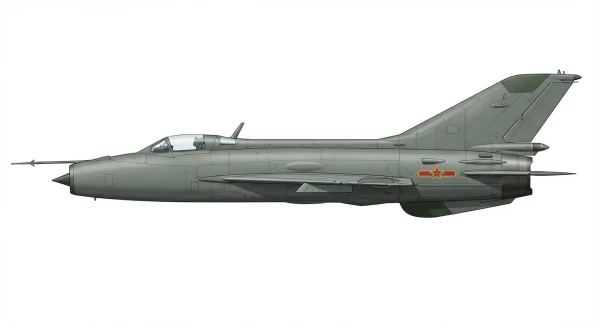 |
🇨🇳 | 1966 | 387 | 0 |
0 |
|
| Combat |
J-11/16/Su-27/30/35 | 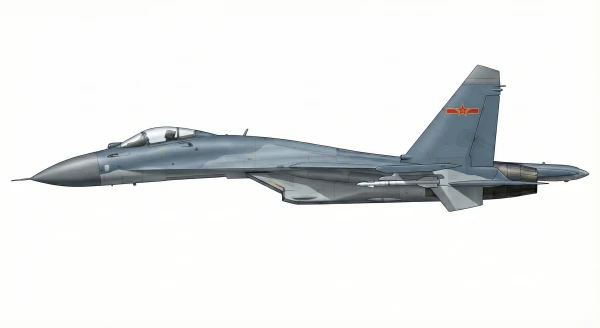 |
🇨🇳 | 1998 | 319 | 0 |
0 |
|
| Combat |
J-20 | 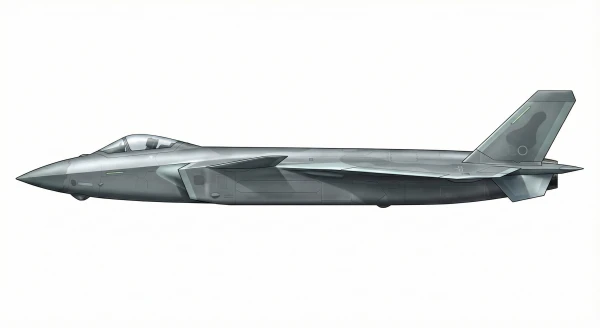 |
🇨🇳 | 2017 | 300 | +50 |
0 |
|
| Combat |
J-10 | 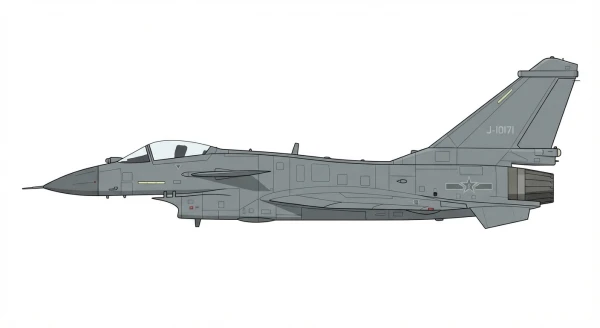 |
🇨🇳 | 2005 | 246 | 0 |
0 |
|
| Combat |
JL-8 |  |
🇨🇳 🇵🇰 | 1994 | 170 | 0 |
0 |
|
| Combat |
Q-5 | 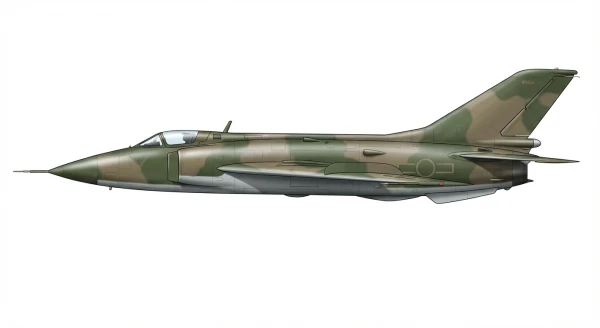 |
🇨🇳 | 1970 | 118 | 0 |
0 |
|
| Combat |
J-8 | 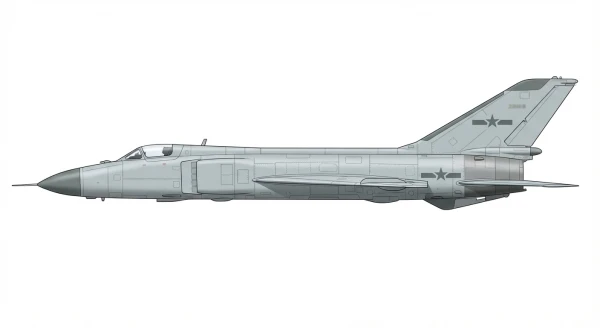 |
🇨🇳 | 1980 | 96 | 0 |
0 |
|
| Combat |
JH-7 | 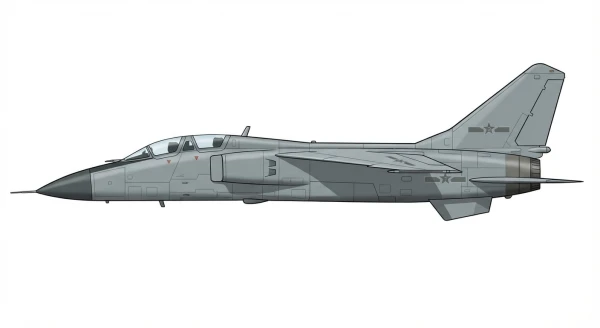 |
🇨🇳 | 1992 | 69 | 0 |
0 |
|
| Combat |
Su-27 | 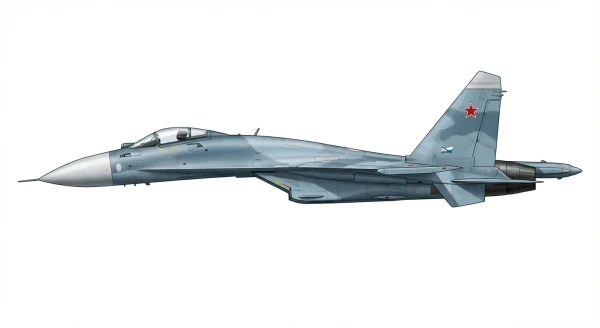 |
🇨🇳 | 1984 | 39 | 0 |
0 |
|
| Combat |
JJ-7 | 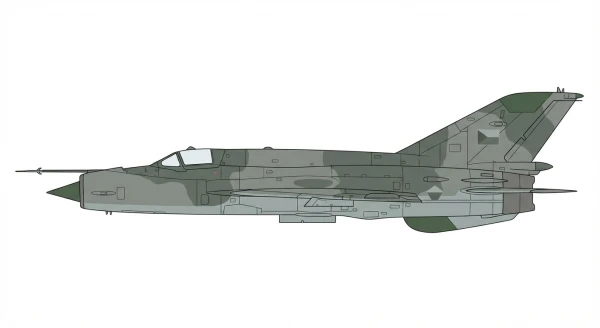 |
🇨🇳 | 1958 | 35 | 0 |
0 |
|
| Helicopter |
Z-8 | 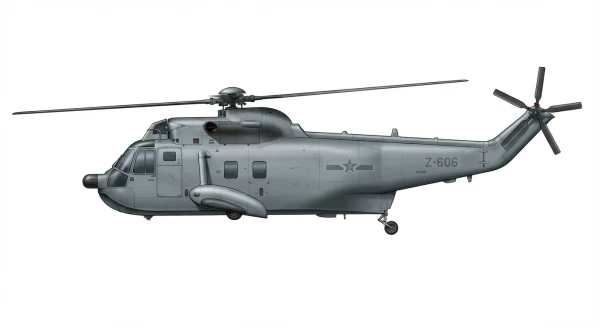 |
🇨🇳 | 2018 | 34 | 0 |
0 |
|
| Helicopter |
Mi-17/171 | 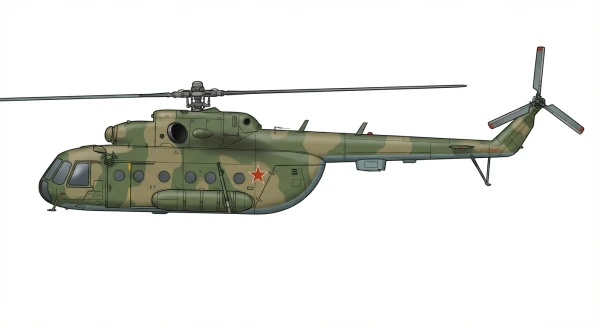 |
🇨🇳 | 1977 | 16 | 0 |
0 |
|
| Helicopter |
Z-9 | 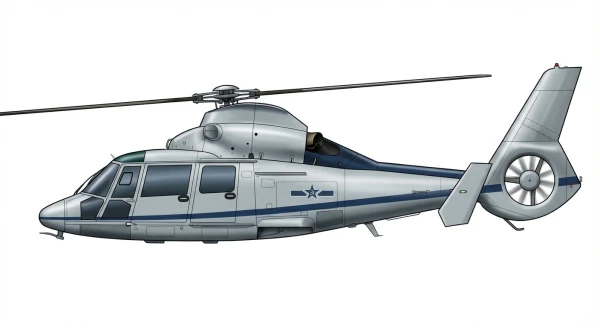 |
🇨🇳 | 1994 | 16 | 0 |
0 |
|
| Transport |
Y-8 | 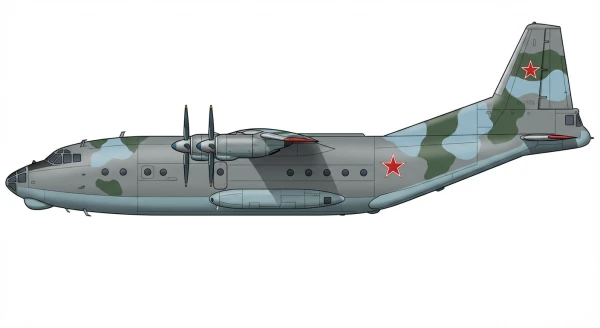 |
🇺🇦 | 1959 | 98 | 0 |
0 |
|
| Transport |
Y-7 | 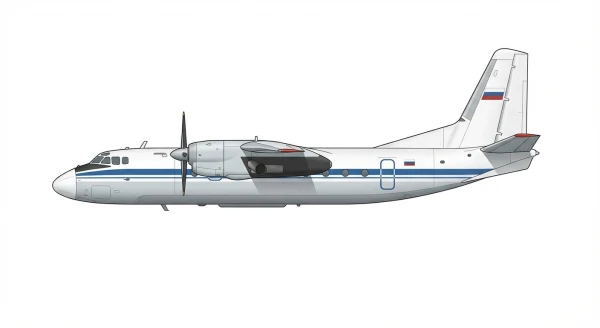 |
🇺🇦 | 1962 | 61 | 0 |
0 |
|
| Transport |
Y-20 | 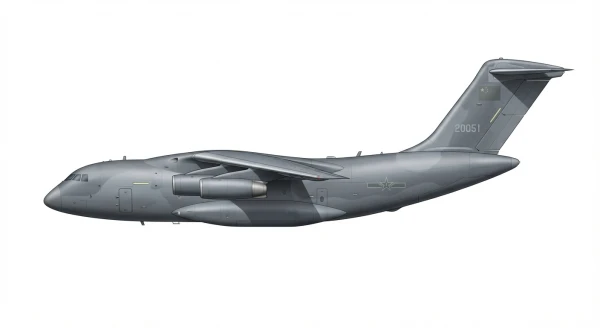 |
🇨🇳 | 2016 | 52 | +18 |
0 |
|
| Transport |
Il-76 | 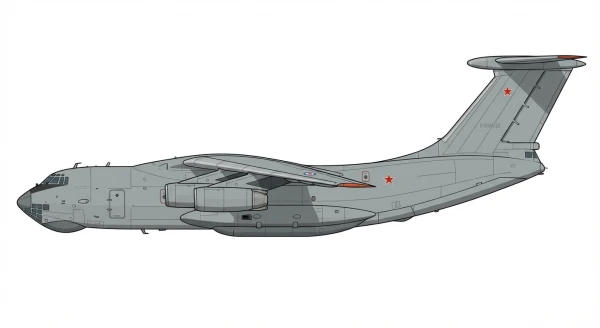 |
🇨🇳 | 1974 | 30 | 0 |
0 |
|
| Transport |
Y-9 | |
🇺🇦 | 1959 | 24 | 0 |
0 |
|
| Transport |
MA60 | 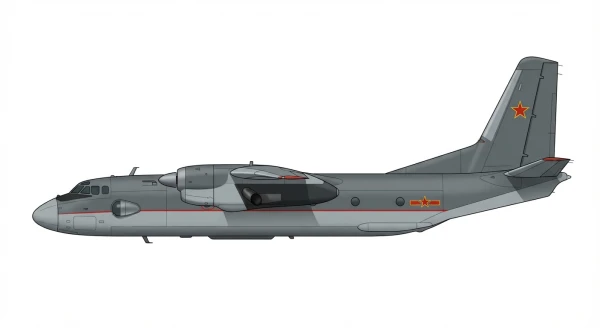 |
🇨🇳 | 1969 | 16 | 0 |
0 |
|
| Transport |
Y-9 (KJ-500) | |
🇺🇦 | 1959 | 14 | 0 |
0 |
|
| Transport |
Y-8 (KJ-200) | |
🇺🇦 | 1959 | 11 | 0 |
0 |
|
| Transport |
Y-12 | 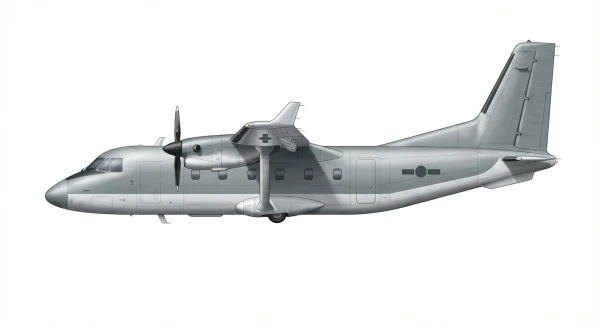 |
🇨🇳 | 1985 | 11 | 0 |
0 |
|
| Transport |
Tu-154 | 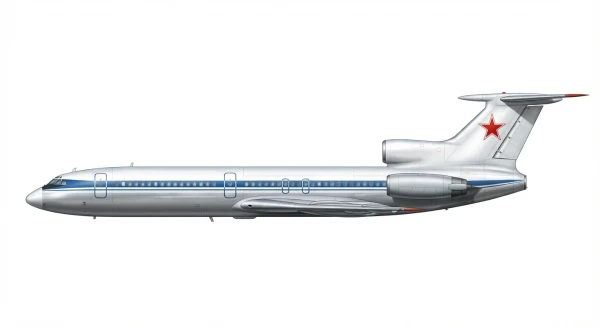 |
🇨🇳 | 1972 | 6 | -3 |
0 |
|
| Transport |
Challenger 870 | 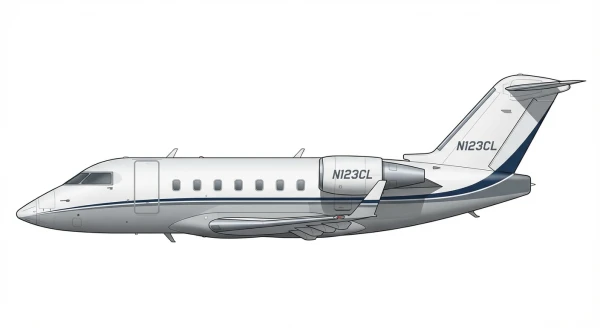 |
🇨🇦 | 1980 | 5 | 0 |
0 |
|
| Transport |
An-30 | 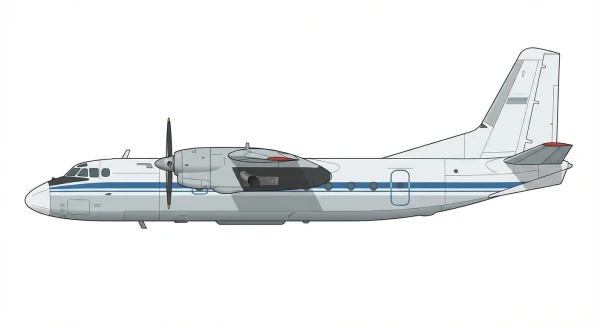 |
🇺🇦 | 1968 | 3 | 0 |
0 |
|
| Transport |
737 | 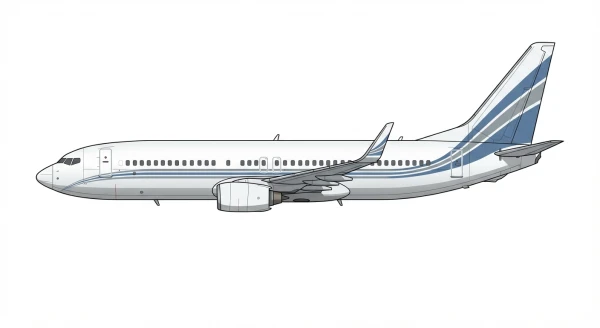 |
🇺🇸 | 1968 | 2 | 0 |
0 |
|
| Training |
L-15 | 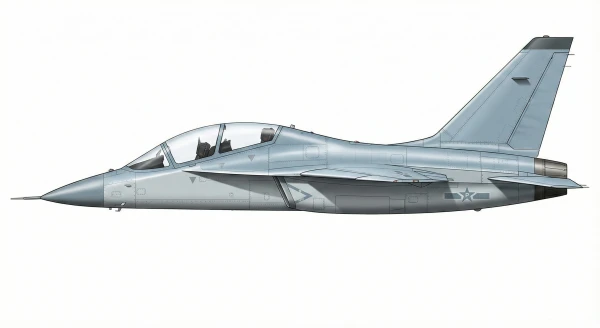 |
🇨🇳 | 2013 | 2 | 0 |
0 |
|
| Special |
Il-78 | 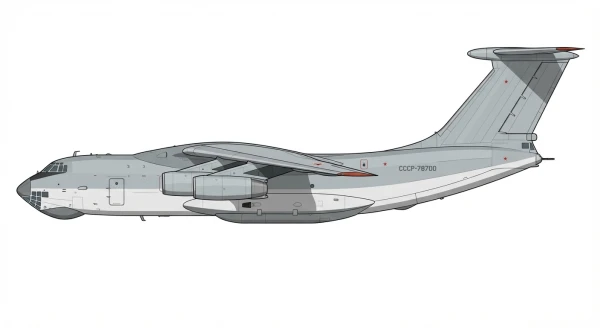 |
🇨🇳 | 1984 | 3 | 0 |
0 |
People's Liberation Army Ground Force
| Aircraft Type | Model | Origin Country | Model Year | Active | 𝚫 YoY | Ordered | ||
|---|---|---|---|---|---|---|---|---|
| Helicopter |
Mi-17/171 | |
🇨🇳 | 1977 | 242 | 0 |
0 |
|
| Helicopter |
Z-19 | |
🇨🇳 | 1994 | 175 | 0 |
11 |
|
| Helicopter |
Z-10 | 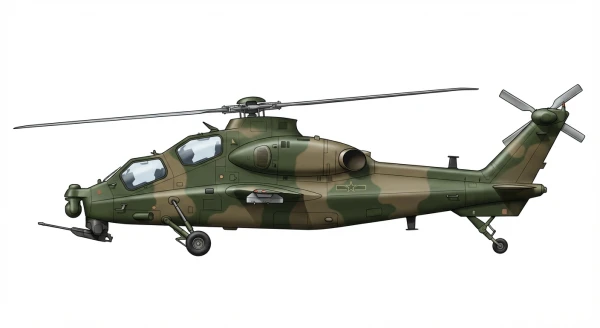 |
🇨🇳 | 2012 | 106 | 0 |
12 |
|
| Helicopter |
H120 | 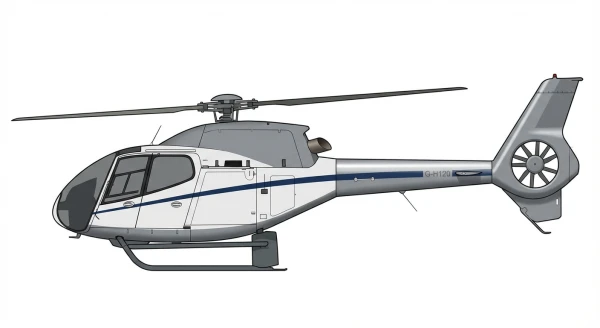 |
🇫🇷 | 1998 | 93 | 0 |
57 |
|
| Helicopter |
Z-9 | |
🇨🇳 | 1994 | 92 | 0 |
0 |
|
| Helicopter |
Z-8 | |
🇨🇳 | 2018 | 67 | 0 |
0 |
|
| Helicopter |
Z-11 | 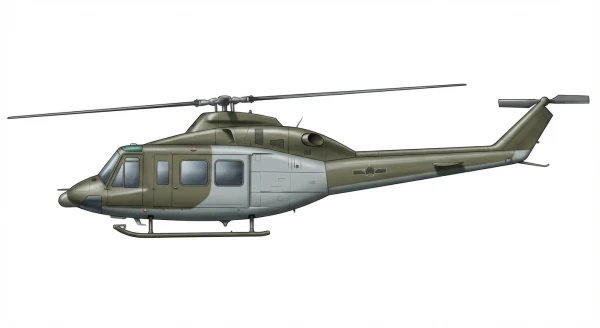 |
🇨🇳 | 1998 | 46 | 0 |
0 |
|
| Helicopter |
S-70 | 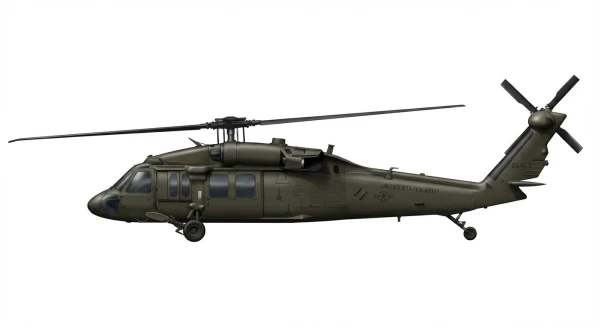 |
🇺🇸 | 1979 | 23 | 0 |
0 |
|
| Helicopter |
Cabri G2 | 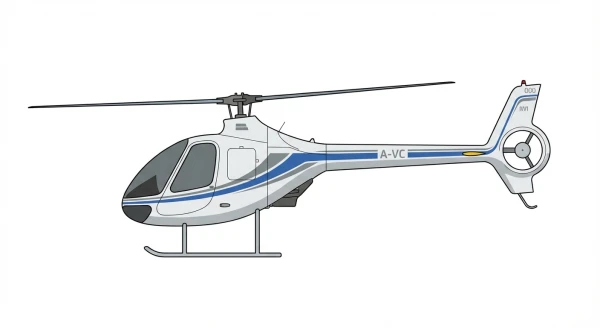 |
🇫🇷 | 2008 | 2 | 0 |
0 |
|
| Helicopter |
H125M/AS350 | 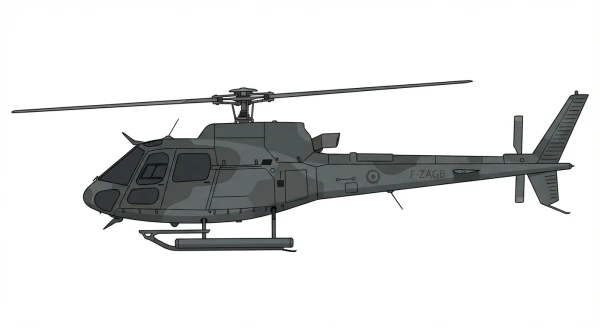 |
🇫🇷 | 1990 | 1 | 0 |
0 |
|
| Transport |
Y-7 | |
🇺🇦 | 1962 | 7 | 0 |
0 |
|
| Transport |
Y-8 | |
🇺🇦 | 1959 | 3 | 0 |
0 |
|
| Transport |
Y-9 | |
🇺🇦 | 1959 | 2 | 0 |
0 |
People's Liberation Army Naval Air Force
| Aircraft Type | Model | Origin Country | Model Year | Active | 𝚫 YoY | Ordered | ||
|---|---|---|---|---|---|---|---|---|
| Combat |
J-8 | |
🇨🇳 | 1980 | 47 | 0 |
0 |
|
| Combat |
J-15/Su-30/33 | |
🇨🇳 | 1998 | 46 | 0 |
50 |
|
| Combat |
JH-7 | |
🇨🇳 | 1992 | 34 | 0 |
0 |
|
| Combat |
J-7 | |
🇨🇳 | 1966 | 30 | 0 |
0 |
|
| Combat |
J-10 | |
🇨🇳 | 2005 | 25 | 0 |
0 |
|
| Combat |
JJ-6 | 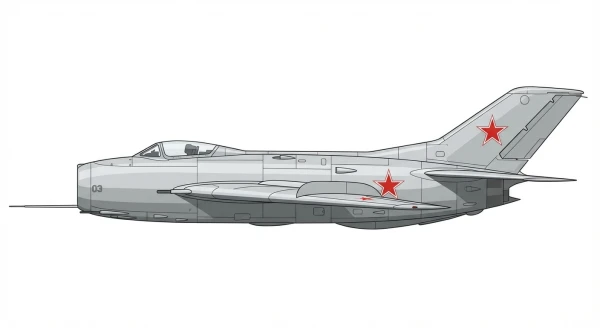 |
🇨🇳 | 1955 | 14 | 0 |
0 |
|
| Combat |
JL-8 | |
🇨🇳 🇵🇰 | 1994 | 11 | 0 |
0 |
|
| Helicopter |
Z-9 | |
🇨🇳 | 1994 | 33 | 0 |
0 |
|
| Helicopter |
Z-8 | |
🇨🇳 | 2018 | 29 | 0 |
0 |
|
| Helicopter |
Ka-28 | 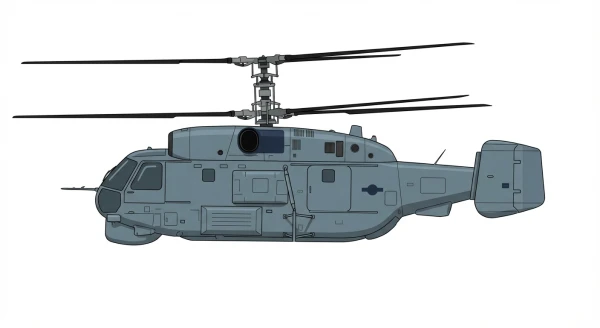 |
🇨🇳 | 1982 | 17 | 0 |
0 |
|
| Helicopter |
Ka-31 | |
🇨🇳 | 1982 | 9 | 0 |
0 |
|
| Helicopter |
Mi-8 | 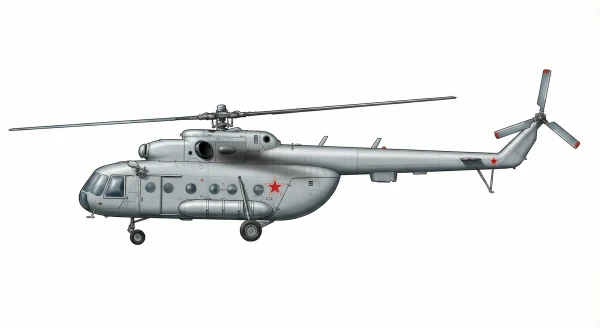 |
🇨🇳 | 1967 | 8 | 0 |
0 |
|
| Helicopter |
AS365/565 | |
🇫🇷 | 1990 | 6 | 0 |
0 |
|
| Helicopter |
Z-18 | |
🇨🇳 | 2018 | 3 | 0 |
0 |
|
| Helicopter |
Ka-27 | |
🇨🇳 | 1982 | 1 | 0 |
0 |
|
| Transport |
Y-8 | |
🇺🇦 | 1959 | 34 | 0 |
0 |
|
| Transport |
Y-7 | |
🇺🇦 | 1962 | 23 | 0 |
0 |
|
| Transport |
Y-9 (HJ/KJ-500) | |
🇺🇦 | 1959 | 8 | 0 |
0 |
|
| Transport |
MA60 | |
🇨🇳 | 1969 | 3 | 0 |
0 |
|
| Training |
L-15 | |
🇨🇳 | 2013 | 12 | 0 |
0 |
|
| Training |
JL-9 | 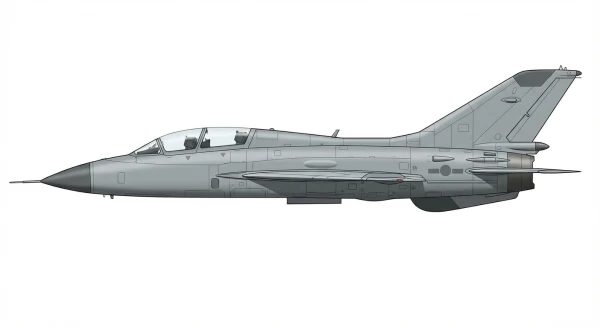 |
🇨🇳 | 2013 | 2 | 0 |
0 |
|
| Special |
SH-5 | 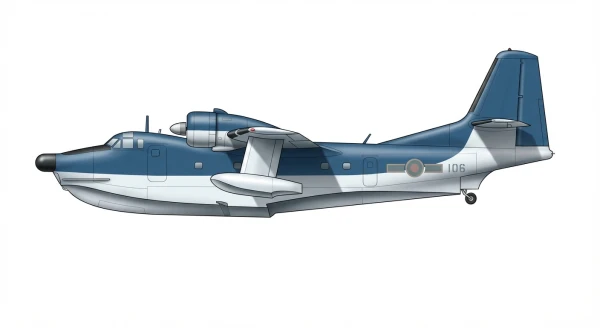 |
🇨🇳 | 1986 | 3 | 0 |
0 |
Frequently Asked Questions
How many aircraft does China have?
How does China's air force rank globally?
How many combat aircraft does China operate?
How many military helicopters does China have?
What is the Air Force Index of China?
Where does China get its military aircraft from?
Last updated on 1 January 2026. Suggest a change