
Egyptian Air Force
القوات الجوية المصرية (Al Quwwāt al Jawwīyah al Miṣrīyah) — The Egyptian Air Force (EAF) is structured to project power and defend against a wide array of regional threats. Its operational capabilities are built upon a large and exceptionally diverse inventory of …
Full inventory in 2026
30 aircraft typesEgyptian Air Force
| Aircraft | Origin | Model year | Active | Δ YoY | Ordered | |
|---|---|---|---|---|---|---|
| Combat | ||||||
|
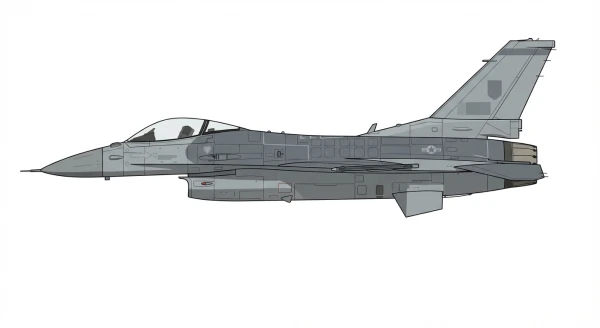
F-16A/C | 🇺🇸 United States | 1979 | 168 | — | — |

|
K-8 |
🇨🇳 China 🇵🇰 Pakistan |
1994 | 118 | — | — |
|
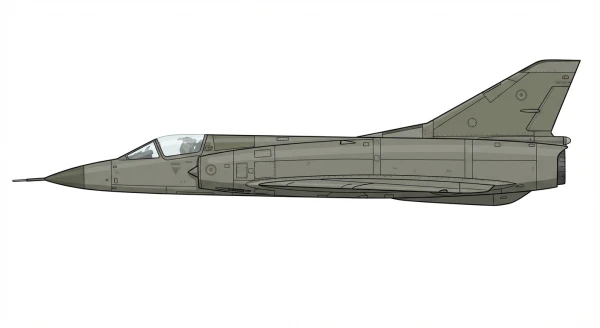
Mirage 5E2/SDE/SDR | 🇫🇷 France | 1961 | 75 | — | — |
|
|
F-16B/D | 🇺🇸 United States | 1979 | 50 | — | — |
|
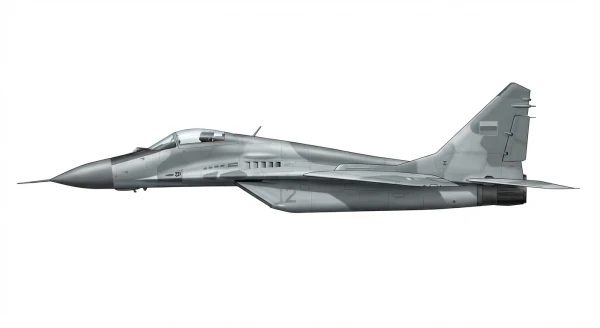
MiG-29 | 🇷🇺 Ex-USSR | 1983 | 43 | — | — |
|
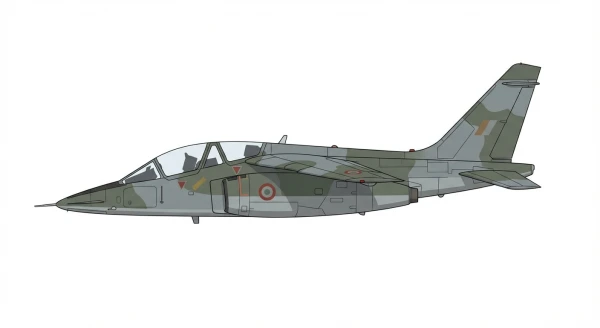
Alpha Jet |
🇩🇪 Germany 🇫🇷 France |
1978 | 40 | — | — |
|
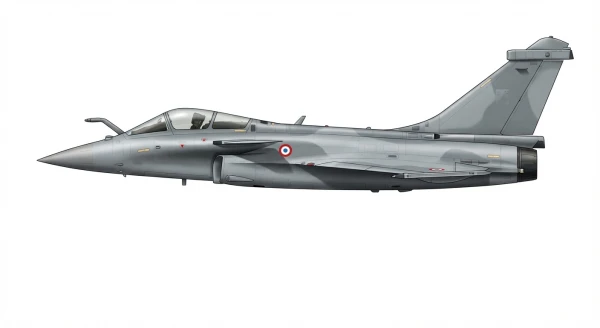
Rafale DM/EM | 🇫🇷 France | 2001 | 36 | +12 | +19 |

|
Mirage 2000EM | 🇫🇷 France | 1983 | 15 | — | — |
|
|
Mirage 5SDD | 🇫🇷 France | 1961 | 6 | — | — |
|
|
Mirage 2000BM | 🇫🇷 France | 1983 | 4 | — | — |
|
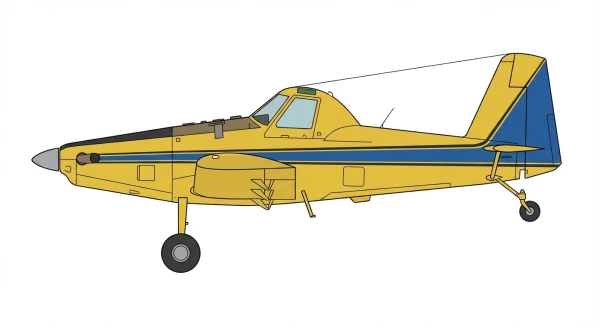
AT-802U | 🇺🇸 United States | 1991 | 2 | — | — |
| Helicopter | ||||||
|
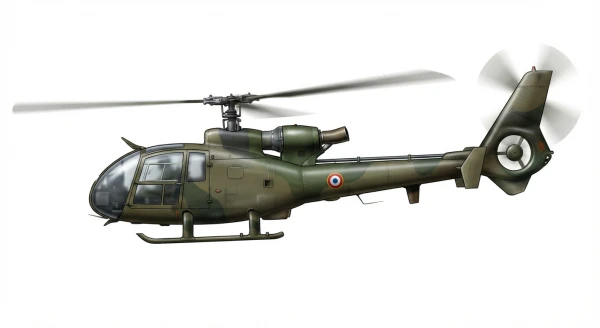
SA342 | 🇫🇷 France | 1971 | 89 | — | — |
|
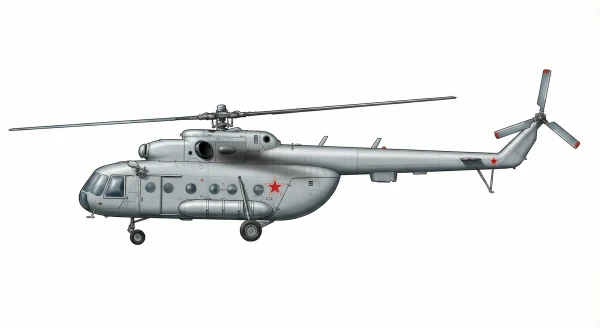
Mi-8/17 | 🇷🇺 Ex-USSR | 1967 | 62 | — | — |
|
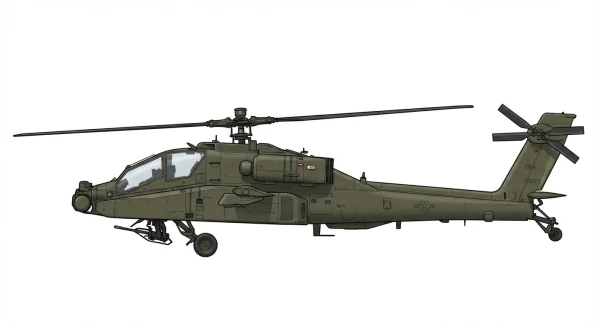
AH-64D | 🇺🇸 United States | 1984 | 46 | — | — |
|
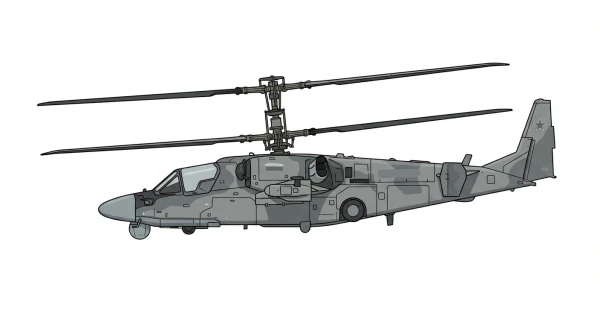
Ka-52 | 🇷🇺 Russia | 1995 | 46 | — | — |
|
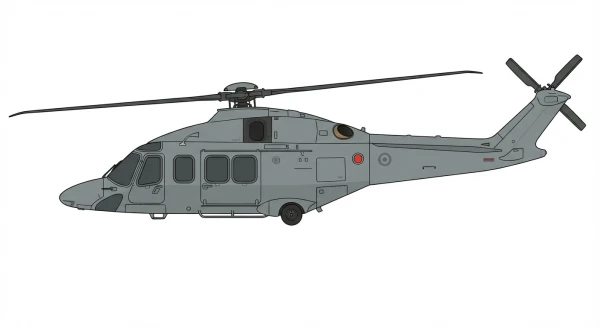
AW149 |
🇬🇧 United Kingdom 🇮🇹 Italy |
2014 | 25 | — | — |
|
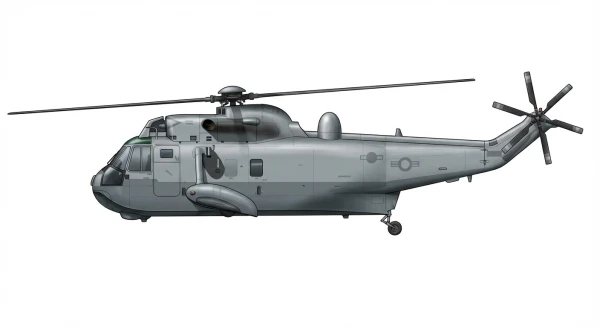
Sea King | 🇺🇸 United States | 1961 | 23 | — | — |
|
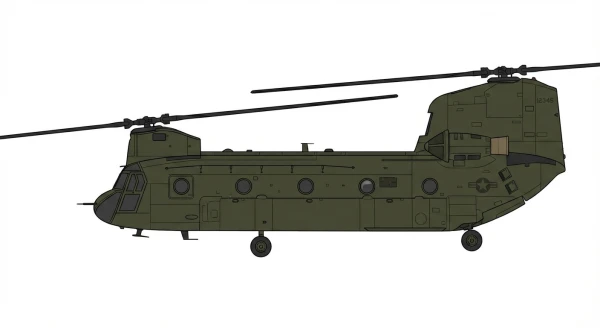
CH-47D/F | 🇺🇸 United States | 1962 | 19 | — | +12 |
|
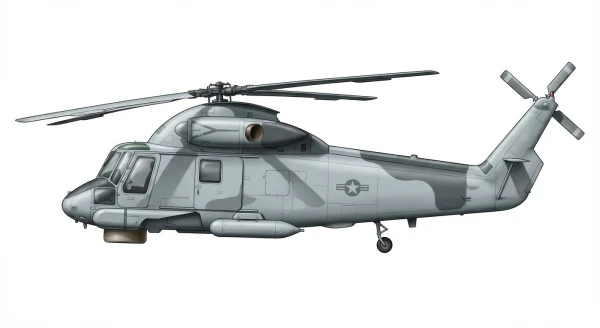
SH-2G | 🇺🇸 United States | 1962 | 10 | — | — |
|
|
AW189 |
🇬🇧 United Kingdom 🇮🇹 Italy |
2014 | 8 | — | — |
|
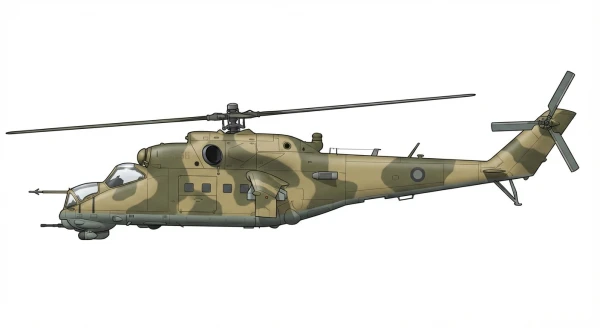
Mi-24 | 🇷🇺 Ex-USSR | 1972 | 8 | — | — |
|
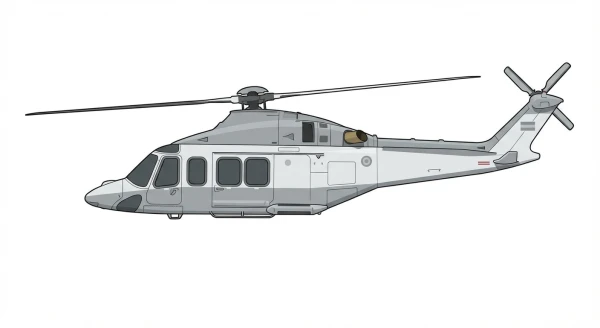
AW139 |
🇬🇧 United Kingdom 🇮🇹 Italy |
2003 | 4 | — | — |
|
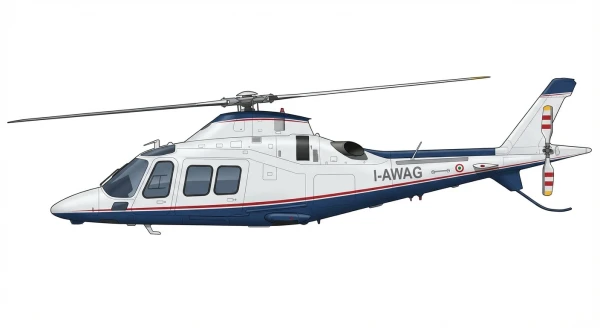
AW109 |
🇬🇧 United Kingdom 🇮🇹 Italy |
1976 | 3 | — | — |
|
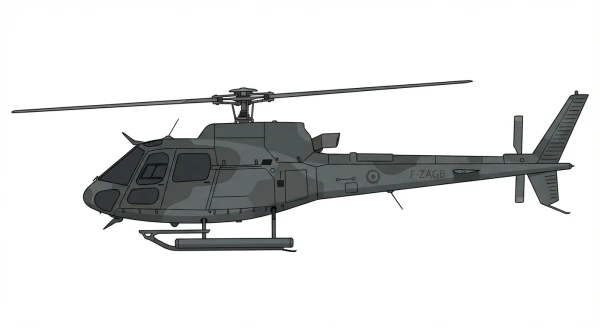
H125M/AS350/550 | 🇫🇷 France | 1990 | 3 | — | — |
|
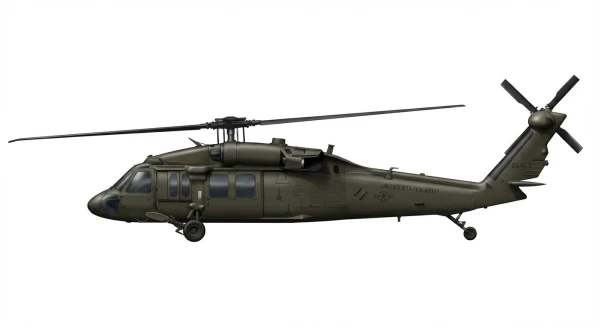
S-70 | 🇺🇸 United States | 1979 | 2 | — | — |
| Transport | ||||||
|
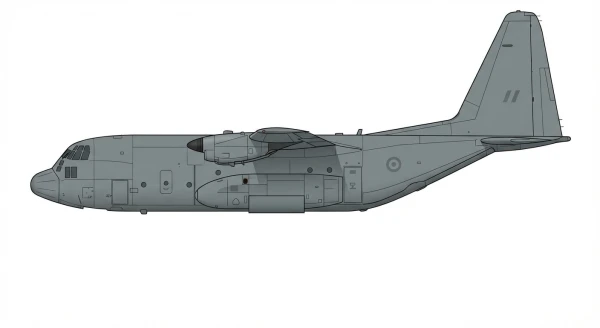
C-130H | 🇺🇸 United States | 1956 | 22 | — | — |
|
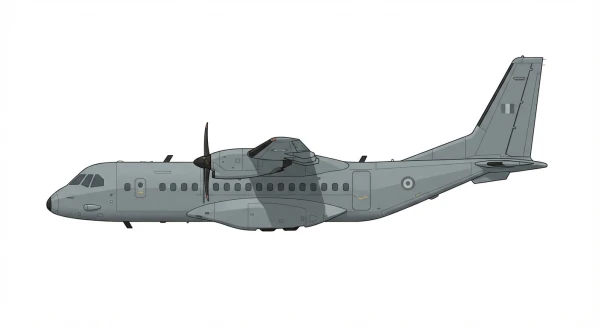
C295 |
🇪🇸 Spain 🇮🇩 Indonesia |
2001 | 22 | — | — |
|
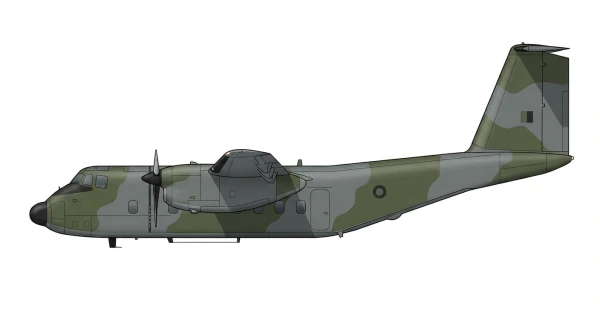
DHC-5 | 🇨🇦 Canada | 1965 | 8 | — | — |

|
Beech 1900 | 🇺🇸 United States | 1984 | 4 | — | — |
|
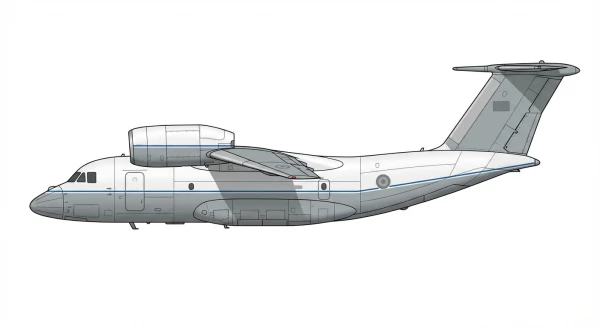
An-74 | 🇷🇺 Ex-USSR | 1985 | 3 | — | — |
|
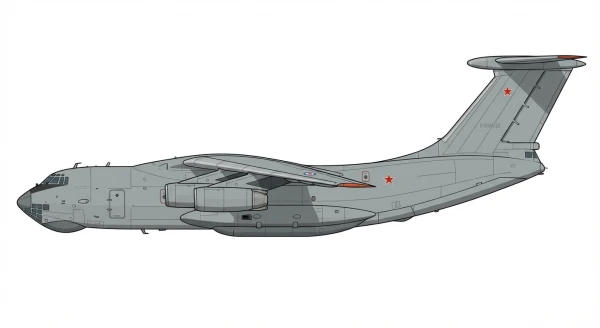
Il-76 | 🇷🇺 Ex-USSR | 1974 | 2 | — | — |
|
|
C-130J | 🇺🇸 United States | 1956 | — | — | +2 |
| Training | ||||||
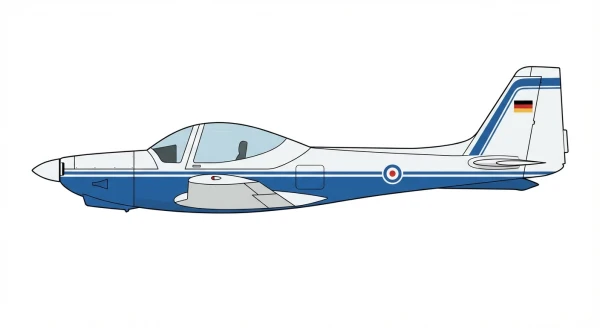
|
G115 | 🇩🇪 Germany | 1999 | 74 | — | — |
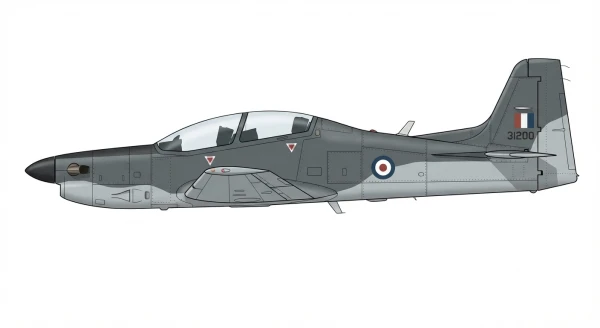
|
EMB-312 | 🇧🇷 Brazil | 1983 | 54 | — | — |
| Other | ||||||
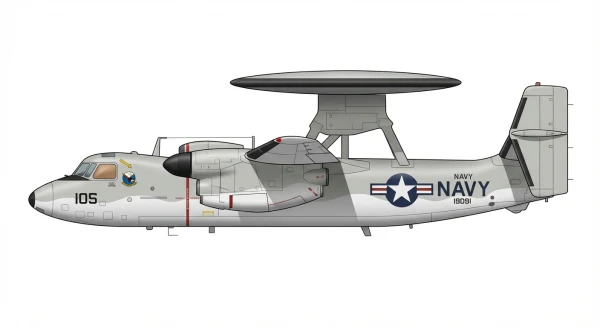
|
E-2C | 🇺🇸 United States | 1964 | 7 | — | — |
Overview
The Egyptian Air Force (EAF) is structured to project power and defend against a wide array of regional threats. Its operational capabilities are built upon a large and exceptionally diverse inventory of aircraft sourced from the United States, France, Russia and, more recently, China. This multi-sourcing strategy provides strategic flexibility and lessens dependency on any single political power, though it creates significant logistical and maintenance challenges. To address the difficulty of integrating disparate Western and Eastern platforms, the EAF uses a locally developed command and control system known as RISC2, designed to link its various aircraft, sensors and radars into a cohesive network.
The EAF's strategic doctrine has evolved from a historically defensive posture, primarily focused on the conflict with Israel, to a more preventative model. This shift is a direct response to regional instability, the rise of non-state actors, and threats emanating from neighbouring countries. The doctrine prioritizes striking targets outside national borders when deemed necessary for national security, as demonstrated by targeted airstrikes against militant strongholds in Libya and by extensive operations in the counter-insurgency campaign in the Sinai Peninsula. These actions underscore a strategy aimed at asserting regional influence and securing national interests beyond the immediate borders.
Acquisition policy is now explicitly multi-vector. Deliveries of the second batch of 30 Rafale F3-R aircraft continue, taking the total ordered to 55, of which around 36 are in service and provide the EAF's most capable deep-strike and air superiority platform. In a significant strategic pivot, Egypt became the first export operator of the Chinese J-10CE, with the first aircraft arriving in early 2025 and further batches since. The move was driven partly by US reluctance to release advanced munitions for the roughly 220-strong F-16 fleet and by the effective cancellation of a deal for Russian Su-35s under the threat of US sanctions. The Chinese route provides access to long-range air-to-air missiles such as the PL-15E, addressing a capability gap that had persisted for years, and reinforces Cairo's policy of avoiding dependence on any single supplier.
The regional environment has become markedly more demanding. The war in Gaza has driven an unprecedented Egyptian military build-up in Sinai, the civil war in Sudan and continued instability in Libya press on the southern and western approaches, and Red Sea shipping disruption has cut into the Suez Canal revenue that helps underwrite the defense budget. The EAF's principal challenge, however, remains structural rather than numerical. Sustaining and integrating a fleet drawn from four incompatible supply chains is expensive and slow, and much of the inventory - the Mirage 5, MiG-29, K-8 and a large block of early-model F-16s - is ageing, while the newest types cannot readily share weapons, data links or maintenance infrastructure with one another.