Russian Air Force
Key facts
| Official Name | Russian Air Force |
| Local Name | Военно-воздушные cилы (Voenno-vozdushnye sily) |
| Country | 🇷🇺 Russia |
| World rank | #3 |
| Active aircraft | 4291 as of 2026 |
| Aircraft on order | 677 |
| Roundel |
|

🔴 Russia-Ukraine War — Live Losses Tracker
This country is currently involved in the "Russia-Ukraine War". Follow aircraft and naval losses in real time on our dedicated tracker.
Global Air Force Index
| 💥 Strategic Bombers | 152 | Nuclear-capable strike aircraft (highest weight) |
| ✈️ Combat Aircraft | 1524 | Fighters, multirole & attack aircraft |
| 🚁 Helicopters | 1604 | Attack, transport & utility rotorcraft |
| 🛫 Transport | 515 | Strategic & tactical airlift |
| 📊 Total Active | 4300 | All aircraft types |
Methodology: Square root scaled index weighted by aircraft combat capability. Strategic bombers score highest due to nuclear strike capability.
Aircraft by type in 2026
| Aircraft type | Active | |
|---|---|---|
 Helicopter
|
1598 | |
 Combat
|
1521 | |
 Transport
|
515 | |
 Training
|
442 | |
 Bomber
|
152 | |
 Special
|
63 | |
Origin countries of aircraft
| Country | Active Aircraft | |
|---|---|---|
| 🇨🇳 Ex-USSR | 3351 | |
| 🇷🇺 Russia | 535 | |
| 🇨🇿 Czechia | 239 | |
| 🇺🇦 Ukraine | 130 | |
| 🇦🇹 Austria | 34 | |
| 🇫🇷 France | 2 | |
Evolution of Russian Air Force fleet
9 recent updates applied to this inventory
| Date | Aircraft | Active Δ | Ordered Δ |
|---|---|---|---|
| 21 Mar 2026 | Ka-52 | -1 | — |
| Ka-52 shot down on the line of contact in Donetsk Oblast; commander killed, weapon systems operator ejected and survived. Details → | |||
| 20 Mar 2026 | Ka-52 | -1 | — |
| Shot down by Ukrainian FPV drone near Pokrovsk, Donetsk Oblast; both crew killed. Details → | |||
| 5 Mar 2026 | Ka-27 | -1 | — |
| Ka-27PS destroyed by Ukrainian FPV drone while landing on Syvash drilling platform in the Black Sea; crew survived. Details → | |||
| 4 Mar 2026 | Mi-8/17/171 | -1 | — |
| Shot down by Russian air defense near Dudki during a Ukrainian drone raid; all three crew members killed. Details → | |||
| 20 Feb 2026 | Su-34 | -1 | — |
| Su-34 shot down by Ukrainian Patriot missile over Zaporizhzhia Oblast while launching KAB glide-bombs; crew likely killed. Details → | |||
| 20 Feb 2026 | Ka-52 | -1 | — |
| Destroyed by Ukrainian kamikaze drones at Pugachevka airfield, Oryol Region; board #18 of 16th Army Aviation Brigade. Details → | |||
| 20 Feb 2026 | Mi-8/17/171 | -1 | — |
| Destroyed by Ukrainian kamikaze drones at Pugachevka airfield, Oryol Region; board #53 of 319th Independent Helicopter Regiment. Details → | |||
| 29 Jan 2026 | Su-27/30 | -1 | — |
| Su-30SM reportedly shot down over Black Sea; crew did not survive (Ukrainian claim, unverified). Details → | |||
| 28 Jan 2026 | Su-34 | -1 | — |
| Su-34 fighter-bomber reportedly shot down over Black Sea near Odesa; crew's fate unknown. Details → | |||
Overview
The Russian Aerospace Forces (VKS) were established in 2015 through the merger of the Russian Air Force (VVS) and the Aerospace Defence Forces (VVKO). This reorganization created a unified command structure with three primary branches: the Air Force, the Air and Missile Defense Forces, and the Space Forces. The intent was to improve the integration and efficiency of air and space operations, closing a perceived gap in Russian military strategy that had previously separated these domains. This structure reports to a central high command in Moscow, designed to enhance inter-service cooperation.
The strategic doctrine of the VKS is centered on the concept of a single, continuous air and space theater of war. Its mission is to protect Russia from aerospace threats with both conventional and nuclear capabilities, provide early warning, and support other military branches. This doctrine emphasizes the degradation of an adversary's military and economic potential through long-range precision strikes against critical infrastructure, a form of non-contact warfare. This strategy is part of a broader "active defense" concept, which combines defensive and offensive operations to disorganize an opponent's efforts.
Operationally, the VKS fields a mix of modern and legacy Soviet-era platforms. Its capabilities have been enhanced through the introduction of 4++ generation fighters like the Su-35, which provide a significant technological advantage over many immediate neighbors. The VKS operates a robust and multi-layered ground-based air defense network, which is integrated into its overall structure. The strategic bomber fleet, consisting of aircraft like the Tu-95 and Tu-160, provides a global strike capability with long-range cruise missiles.
The full-scale invasion of Ukraine since 2022 has been the VKS's most significant operational engagement. While its long-range aviation has been effective in striking Ukrainian infrastructure, the VKS has surprisingly failed to achieve air superiority. This has been attributed to effective and mobile Ukrainian air defenses, shortcomings in suppressing these defenses (SEAD/DEAD operations), and significant losses of aircraft. In response, the VKS has adapted by increasingly relying on stand-off weapons, such as guided bombs launched from a distance, and a wide variety of drones for both reconnaissance and strike missions.
Modernization remains a key priority, focusing on replacing older Soviet aircraft with advanced models and upgrading existing platforms. The State Armament Program continues to fund the acquisition of aircraft like the Su-34 and Su-35, while development of the 5th generation Su-57 continues, albeit slowly. Modernization of the strategic bomber fleet is also a key program. The conflict in Ukraine has spurred adaptation, particularly in the rapid development and deployment of various unmanned aerial vehicles (UAVs). However, ongoing combat losses and the impact of international sanctions present significant challenges to the long-term goals of these modernization efforts.
Full inventory in 2026
Russian Air Force
| Aircraft Type | Model | Origin Country | Model Year | Active | 𝚫 YoY | Ordered | ||
|---|---|---|---|---|---|---|---|---|
| Combat |
Su-27/30/35 | 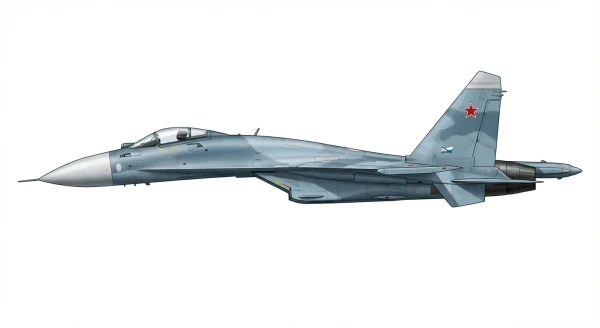 |
🇨🇳 | 1984 | 384 | 0 |
0 |
|
| Combat |
Su-24 | 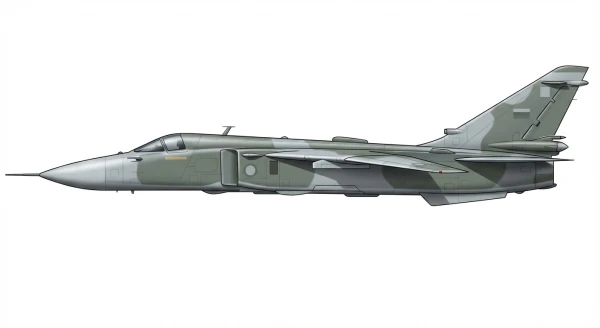 |
🇨🇳 | 1973 | 260 | 0 |
0 |
|
| Combat |
MiG-29/35 | 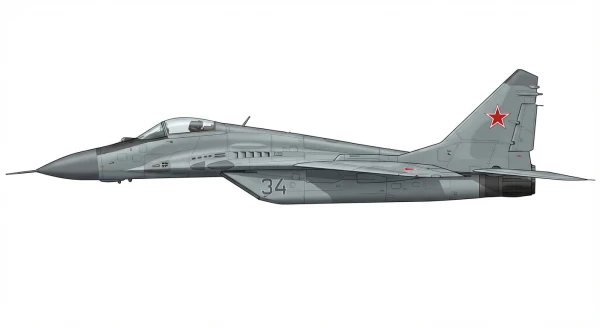 |
🇨🇳 | 2009 | 256 | 0 |
2 |
|
| Combat |
Su-25 | 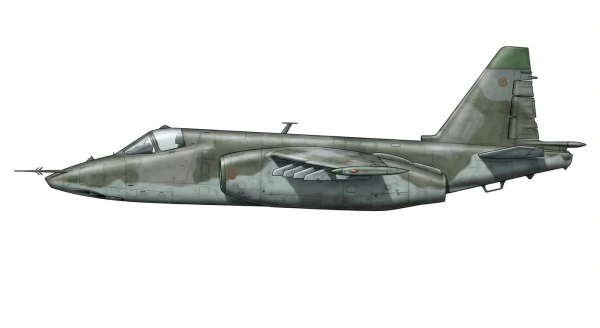 |
🇨🇳 | 1981 | 175 | 0 |
0 |
|
| Combat |
Su-34 | 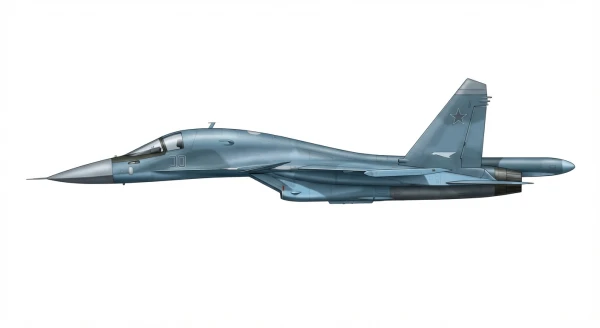 |
🇷🇺 | 1997 | 140 | -2 |
0 |
|
| Combat |
MiG-31 | 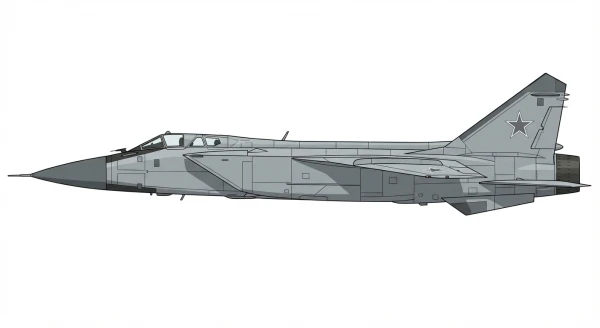 |
🇨🇳 | 1983 | 128 | 0 |
0 |
|
| Combat |
Su-27 | |
🇨🇳 | 1984 | 38 | 0 |
0 |
|
| Combat |
Su-57 | 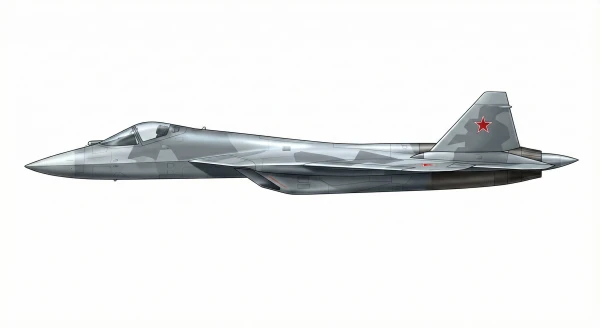 |
🇷🇺 | 2020 | 29 | +5 |
78 |
|
| Bomber |
Tu-22M | 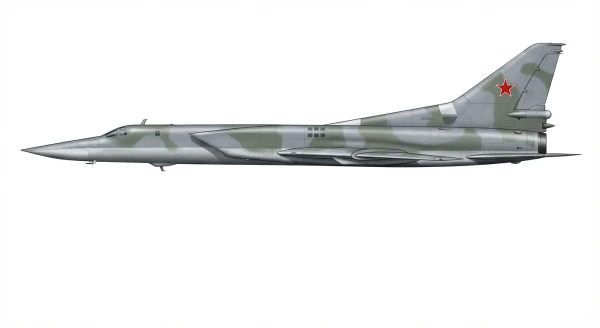 |
🇨🇳 | 1973 | 56 | -1 |
0 |
|
| Bomber |
Tu-95 | 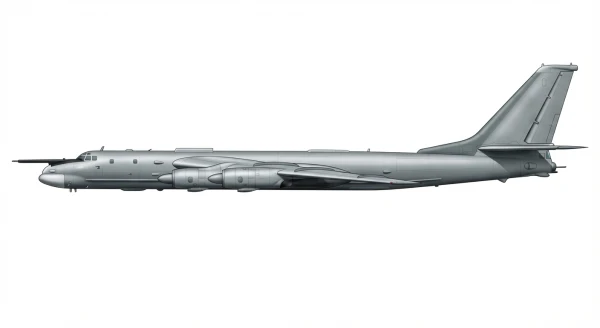 |
🇨🇳 | 1956 | 47 | 0 |
0 |
|
| Bomber |
Tu-160 | 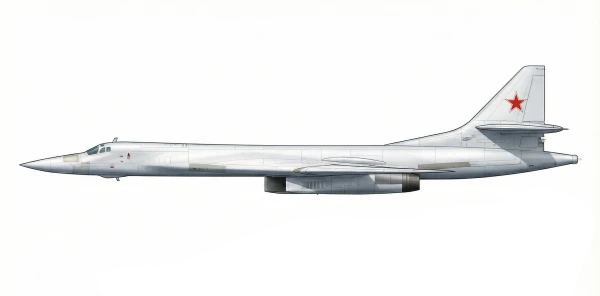 |
🇨🇳 | 1987 | 17 | +2 |
50 |
|
| Helicopter |
Mi-8/17/171 | 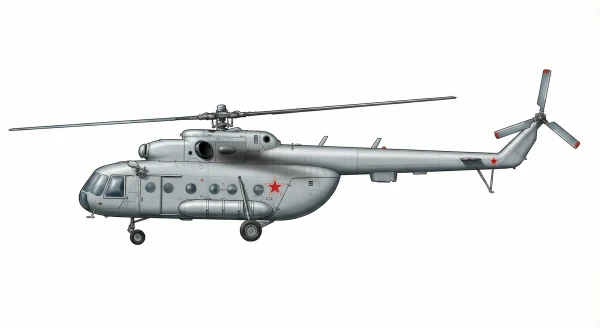 |
🇨🇳 | 1967 | 775 | -2 |
10 |
|
| Helicopter |
Mi-24/35 | 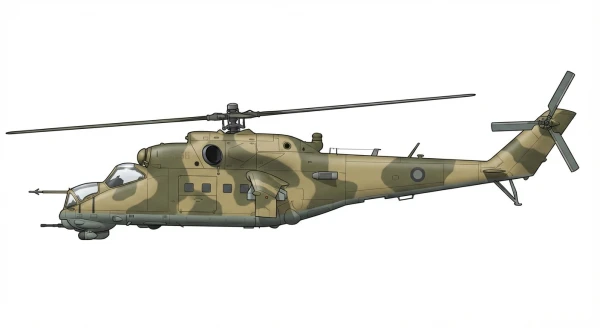 |
🇨🇳 | 1972 | 323 | 0 |
0 |
|
| Helicopter |
Ka-52 | 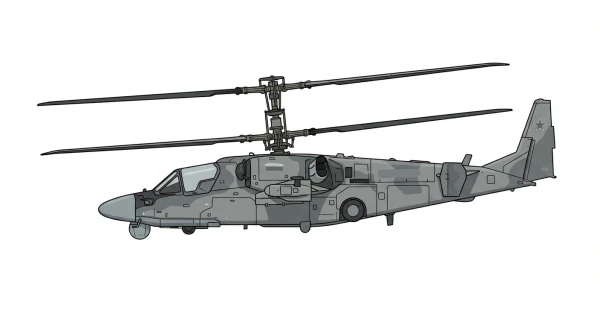 |
🇷🇺 | 1995 | 132 | -3 |
41 |
|
| Helicopter |
Mi-28 | 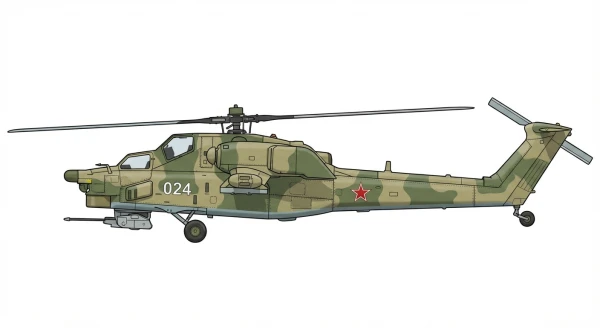 |
🇨🇳 | 2006 | 113 | 0 |
138 |
|
| Helicopter |
Mi-26 |  |
🇨🇳 | 1983 | 45 | 0 |
15 |
|
| Helicopter |
Mi-2 | 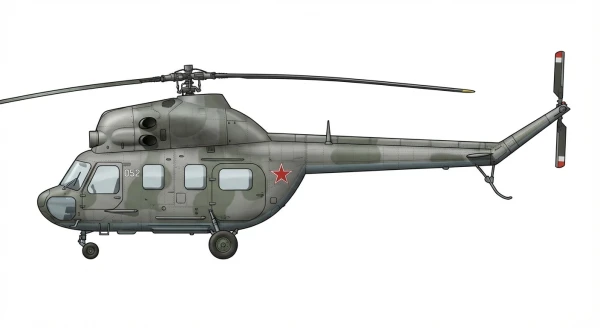 |
🇨🇳 | 1965 | 43 | 0 |
0 |
|
| Helicopter |
Ka-226 | 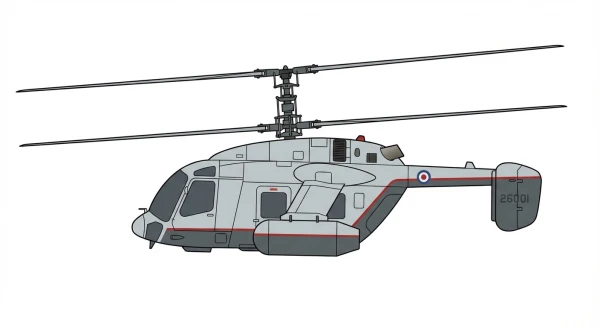 |
🇷🇺 | 2002 | 36 | 0 |
0 |
|
| Helicopter |
Ka-27 | 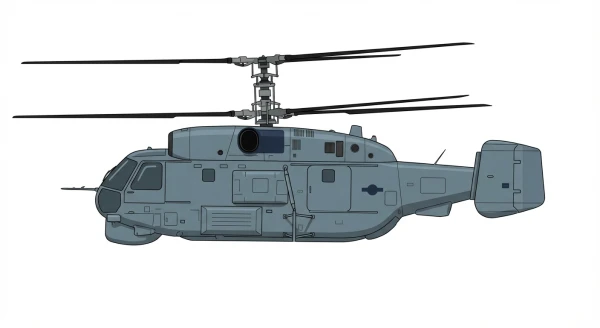 |
🇨🇳 | 1982 | 6 | 0 |
0 |
|
| Helicopter |
Mi-38 | 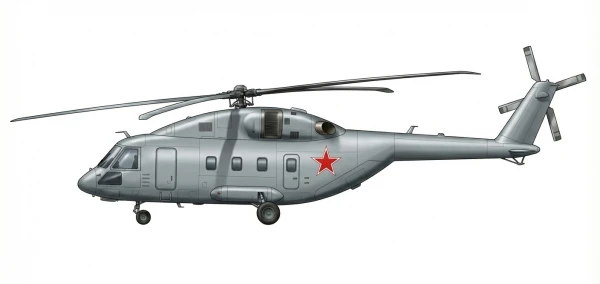 |
🇷🇺 | 2019 | 2 | 0 |
2 |
|
| Helicopter |
AS355 | 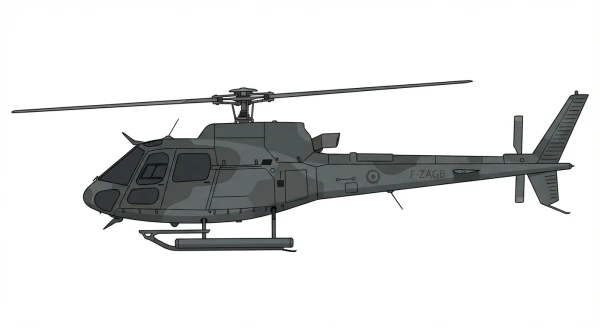 |
🇫🇷 | 1990 | 2 | 0 |
0 |
|
| Helicopter |
Ka-62 | 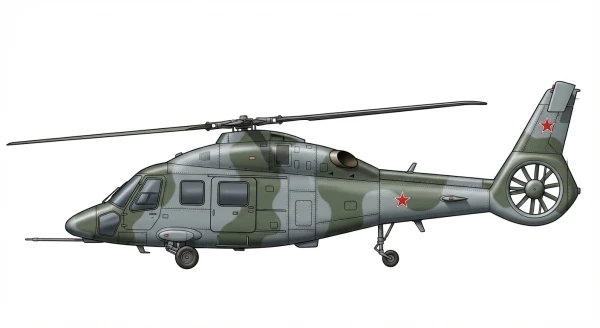 |
🇷🇺 | None | 0 | 0 |
100 |
|
| Transport |
Il-76 | 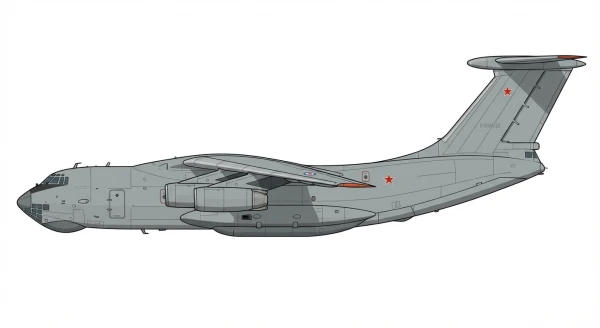 |
🇨🇳 | 1974 | 131 | 0 |
7 |
|
| Transport |
An-26 | 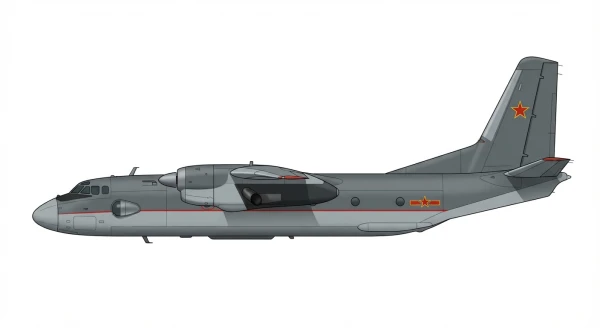 |
🇨🇳 | 1969 | 115 | 0 |
0 |
|
| Transport |
An-12 | 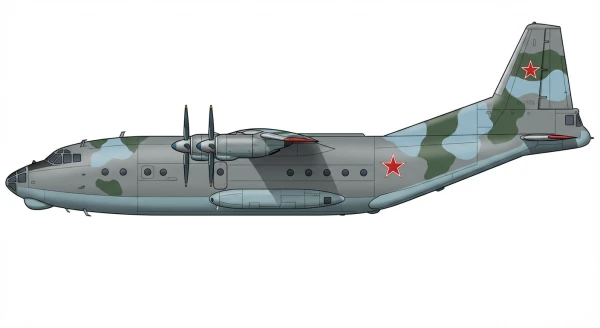 |
🇺🇦 | 1959 | 59 | 0 |
0 |
|
| Transport |
L-410 | 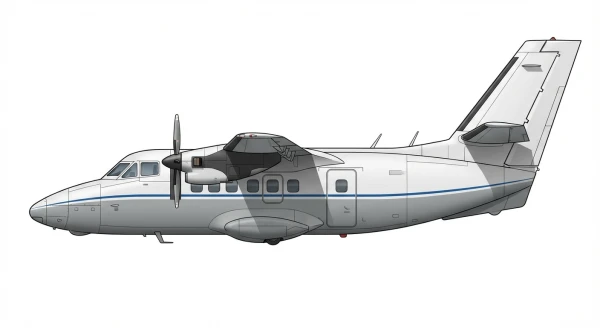 |
🇨🇿 | 1970 | 53 | 0 |
2 |
|
| Transport |
An-72 | 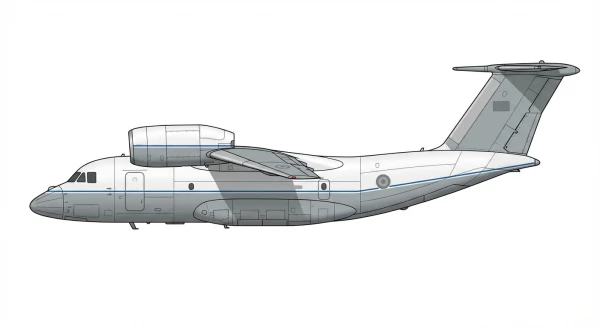 |
🇨🇳 | 1985 | 31 | 0 |
0 |
|
| Transport |
Il-20/22 | 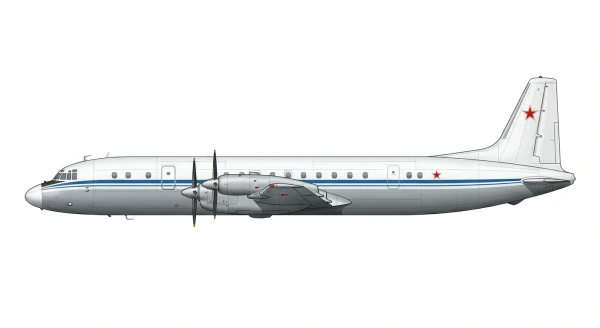 |
🇨🇳 | 1957 | 27 | 0 |
0 |
|
| Transport |
An-30 | 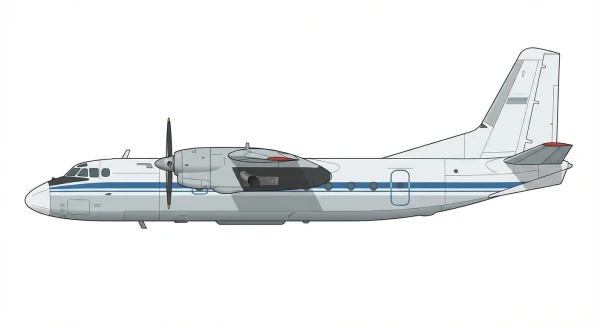 |
🇺🇦 | 1968 | 16 | 0 |
0 |
|
| Transport |
An-148 | 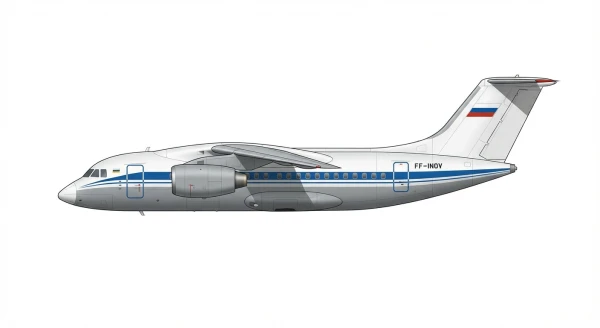 |
🇺🇦 | 2009 | 15 | 0 |
0 |
|
| Transport |
Tu-214 | 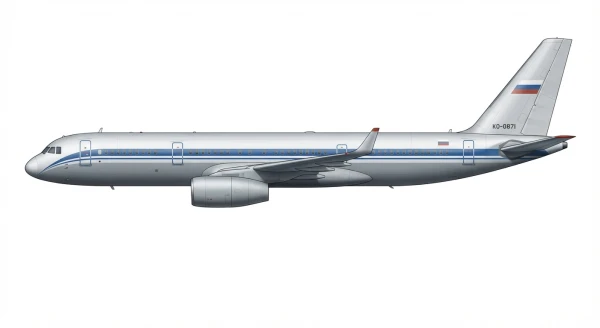 |
🇷🇺 | 1996 | 6 | +4 |
0 |
|
| Transport |
An-124 | 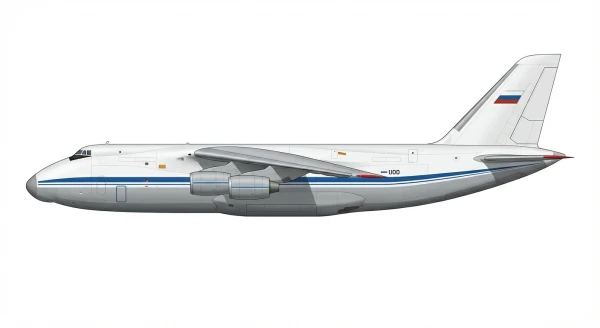 |
🇨🇳 | 1986 | 5 | 0 |
0 |
|
| Transport |
An-22 | 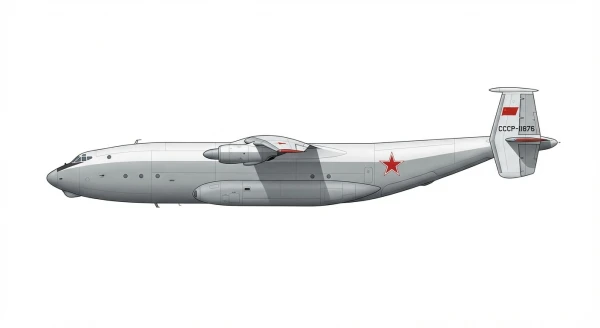 |
🇺🇦 | 1967 | 4 | 0 |
0 |
|
| Transport |
An-140 | 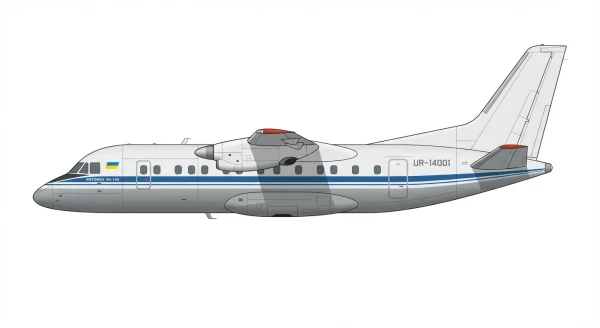 |
🇺🇦 | 2002 | 3 | -1 |
0 |
|
| Transport |
Il-18 | |
🇨🇳 | 1957 | 3 | 0 |
0 |
|
| Transport |
Tu-154 | 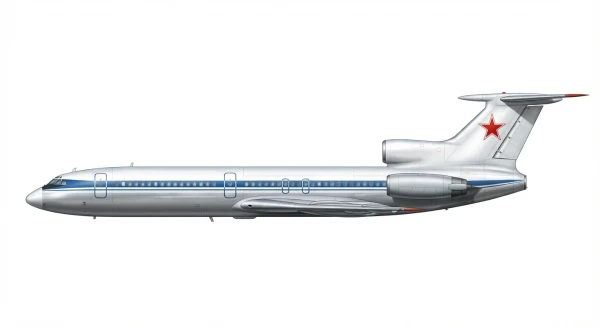 |
🇨🇳 | 1972 | 3 | 0 |
0 |
|
| Transport |
Multirole Transport Aircraft | 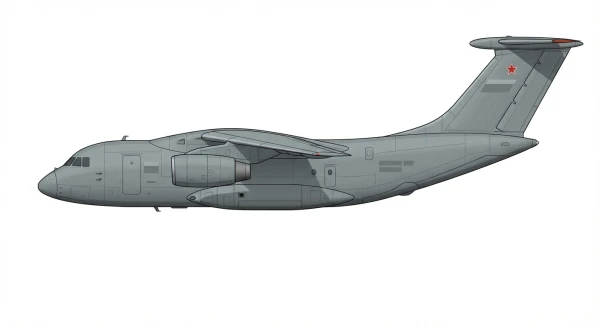 |
🇷🇺 | 2026 | 0 | 0 |
100 |
|
| Transport |
Il-112 | 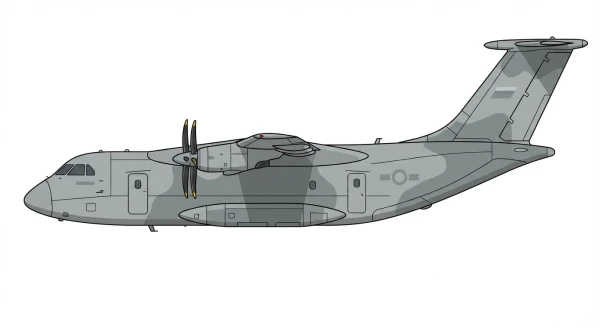 |
🇷🇺 | 2023 | 0 | 0 |
62 |
|
| Transport |
Il-96 | 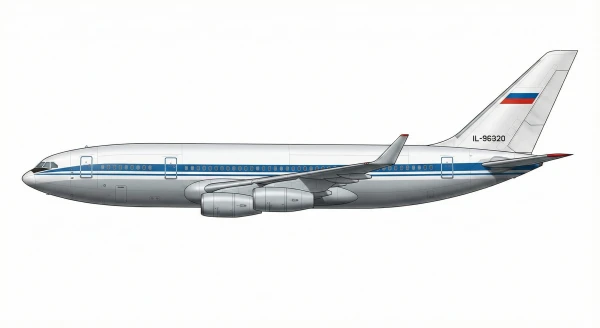 |
🇨🇳 | 1992 | 0 | 0 |
10 |
|
| Training |
L-39 | 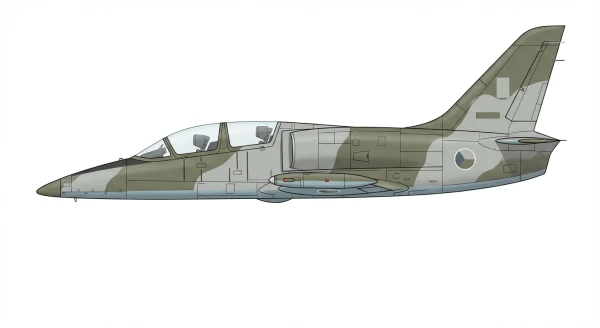 |
🇨🇿 | 1972 | 182 | 0 |
0 |
|
| Training |
Yak-130 | 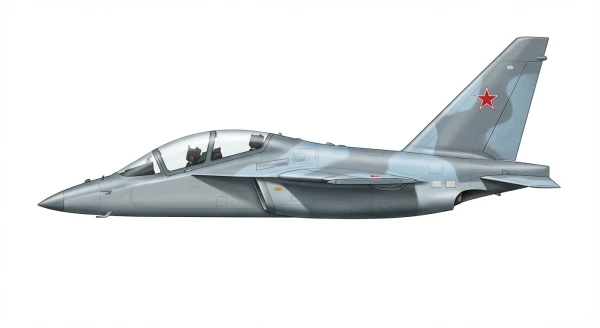 |
🇷🇺 | 2010 | 123 | 0 |
14 |
|
| Training |
Ansat | 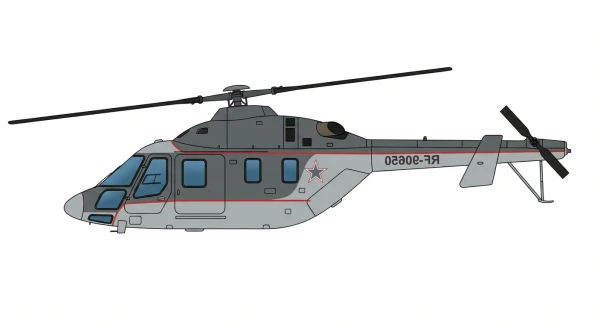 |
🇷🇺 | 2013 | 50 | 0 |
0 |
|
| Training |
Tu-134 | 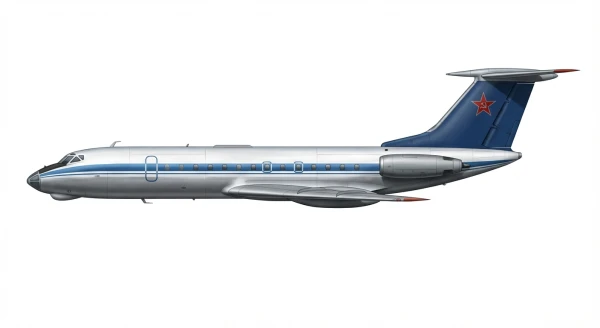 |
🇨🇳 | 1970 | 43 | 0 |
0 |
|
| Training |
DA42 | 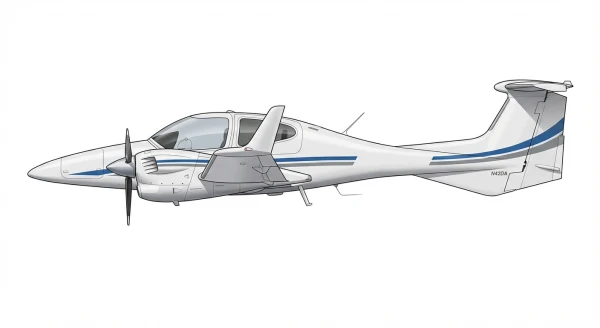 |
🇦🇹 | 2004 | 34 | 0 |
0 |
|
| Special |
Il-78 | 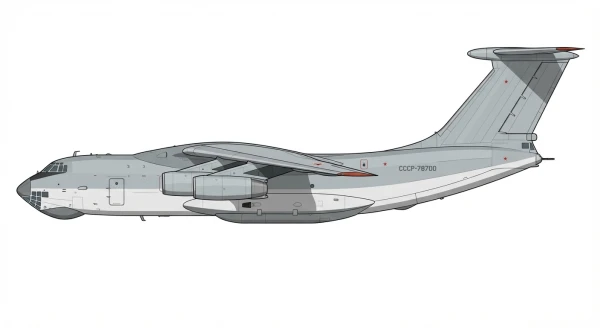 |
🇨🇳 | 1984 | 20 | +1 |
31 |
|
| Special |
A-50 | 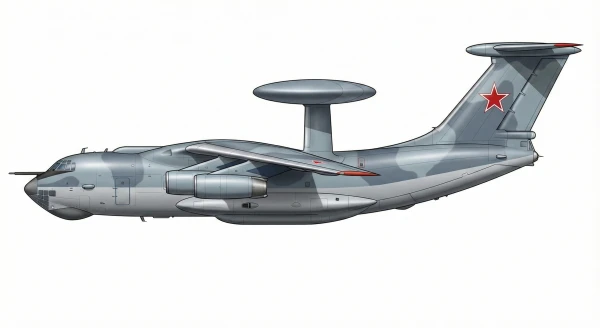 |
🇷🇺 | 1985 | 12 | 0 |
0 |
|
| Special |
Il-80 | 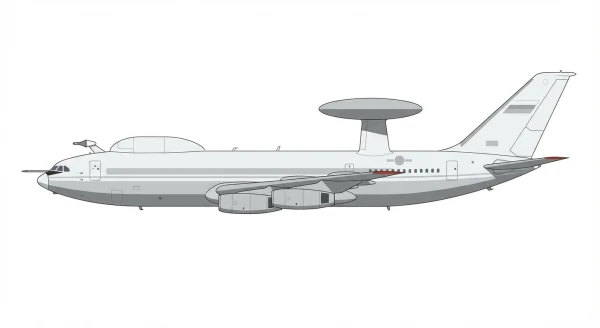 |
🇨🇳 | 1992 | 3 | 0 |
0 |
Russian Naval Aviation
| Aircraft Type | Model | Origin Country | Model Year | Active | 𝚫 YoY | Ordered | ||
|---|---|---|---|---|---|---|---|---|
| Combat |
Su-27/30 | |
🇨🇳 | 1984 | 42 | -1 |
15 |
|
| Combat |
Su-24 | |
🇨🇳 | 1973 | 36 | 0 |
0 |
|
| Combat |
MiG-29 | |
🇨🇳 | 2009 | 22 | 0 |
0 |
|
| Combat |
Su-25 | |
🇨🇳 | 1981 | 8 | 0 |
0 |
|
| Combat |
Su-27 | |
🇨🇳 | 1984 | 3 | 0 |
0 |
|
| Bomber |
Tu-142 | |
🇨🇳 | 1956 | 32 | 0 |
0 |
|
| Helicopter |
Ka-27 | |
🇨🇳 | 1982 | 89 | -1 |
0 |
|
| Helicopter |
Mi-8 | |
🇨🇳 | 1967 | 12 | 0 |
0 |
|
| Helicopter |
Ka-29 | |
🇨🇳 | 1982 | 10 | 0 |
0 |
|
| Helicopter |
Ka-31 | |
🇨🇳 | 1982 | 3 | 0 |
0 |
|
| Helicopter |
Ka-52 | |
🇷🇺 | 1995 | 3 | 0 |
0 |
|
| Helicopter |
Ka-28 | |
🇨🇳 | 1982 | 2 | 0 |
0 |
|
| Helicopter |
Mi-24/35 | |
🇨🇳 | 1972 | 2 | 0 |
0 |
|
| Transport |
An-24/26 | 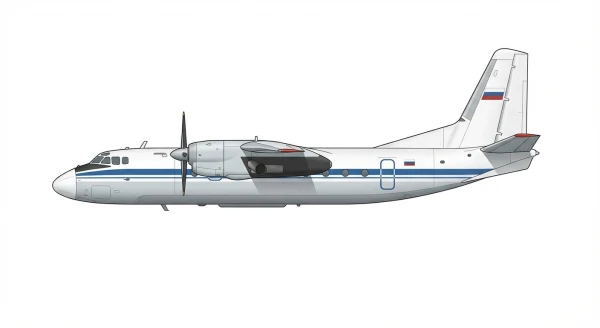 |
🇺🇦 | 1962 | 24 | 0 |
0 |
|
| Transport |
An-12 | |
🇺🇦 | 1959 | 5 | 0 |
0 |
|
| Transport |
An-140 | |
🇺🇦 | 2002 | 4 | 0 |
0 |
|
| Transport |
An-72 | |
🇨🇳 | 1985 | 4 | 0 |
0 |
|
| Transport |
Be-200 | 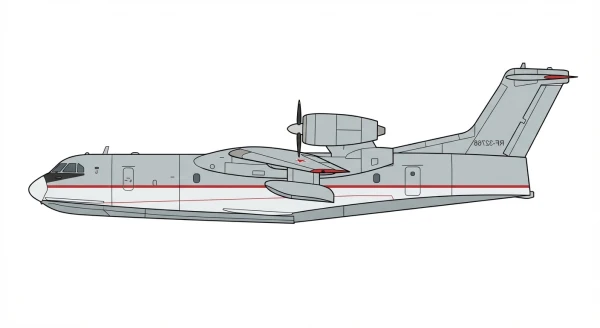 |
🇷🇺 | 2003 | 2 | 0 |
0 |
|
| Transport |
Il-22 | |
🇨🇳 | 1957 | 2 | 0 |
0 |
|
| Transport |
Il-18 | |
🇨🇳 | 1957 | 1 | 0 |
0 |
|
| Transport |
Il-20 | |
🇨🇳 | 1957 | 1 | 0 |
0 |
|
| Transport |
Tu-154 | |
🇨🇳 | 1972 | 1 | 0 |
0 |
|
| Training |
Tu-134 | |
🇨🇳 | 1970 | 6 | 0 |
0 |
|
| Training |
L-39 | |
🇨🇿 | 1972 | 4 | 0 |
0 |
|
| Special |
Il-38 | 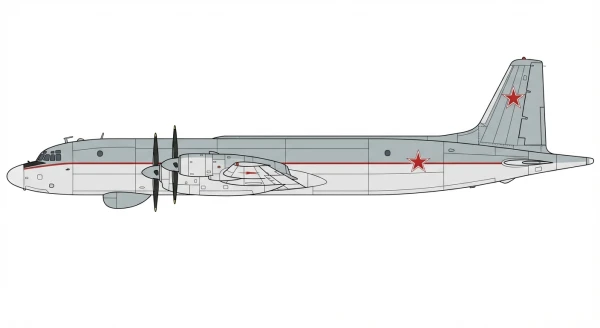 |
🇨🇳 | 1967 | 21 | 0 |
0 |
|
| Special |
Be-12 | 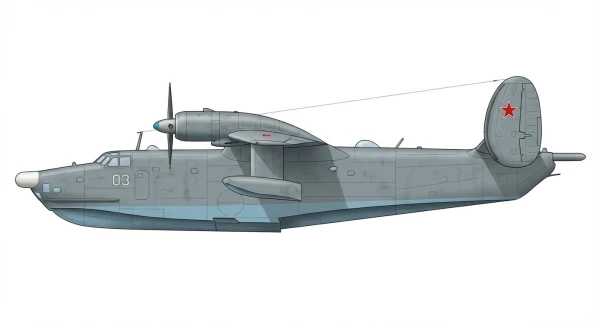 |
🇨🇳 | 1960 | 7 | 0 |
0 |
Frequently Asked Questions
How many aircraft does Russia have?
How does Russia's air force rank globally?
How many combat aircraft does Russia operate?
How many military helicopters does Russia have?
What is the Air Force Index of Russia?
Where does Russia get its military aircraft from?
Last updated on 21 March 2026. Suggest a change