
Venezuelan Air Force
The Venezuelan Air Force operates 226 military aircraft in 2026 — 54 combat aircraft (fighter and attack jets), 74 helicopters, 42 transport aircraft, 47 trainers. It ranks #53 of 161 air forces worldwide, with 4 more aircraft on order.
Full inventory in 2026
29 aircraft typesVenezuelan Army Aviation
| Aircraft | Origin | Model year | Active | Δ YoY | Ordered | |
|---|---|---|---|---|---|---|
| Helicopter | ||||||
|
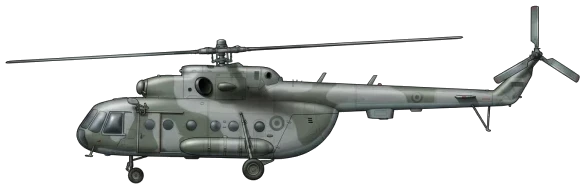
Mi-17 | 🇷🇺 Ex-USSR | 1977 | 16 | — | — |
|
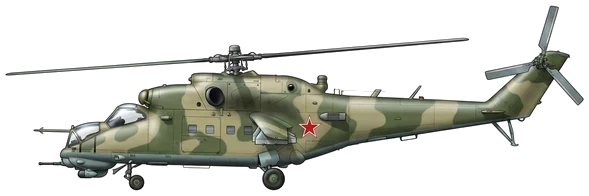
Mi-35 | 🇷🇺 Russia | 1972 | 10 | — | — |
|
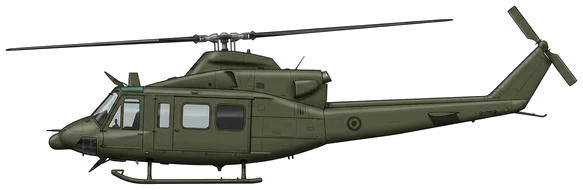
Bell 412 |
🇨🇦 Canada 🇺🇸 United States |
1981 | 9 | — | — |
|
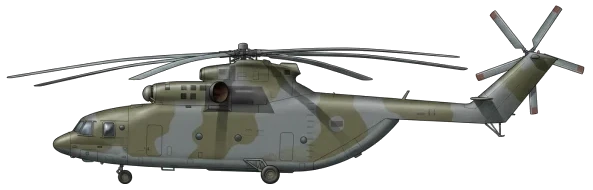
Mi-26 | 🇷🇺 Ex-USSR | 1983 | 3 | — | — |
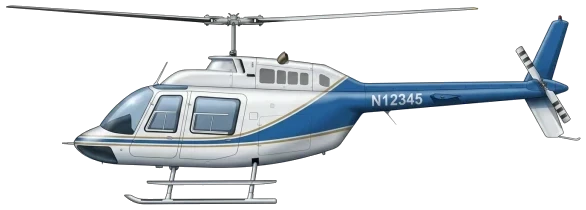
|
Bell 206 | 🇺🇸 United States | 1967 | 2 | — | — |
| Transport | ||||||
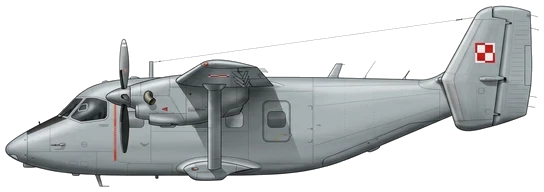
|
An-28/M28 | 🇵🇱 Poland | 1996 | 11 | — | — |
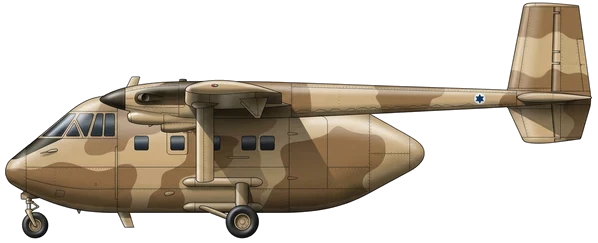
|
Arava | 🇮🇱 Israel | 1972 | 3 | -1 | — |
| Other | ||||||
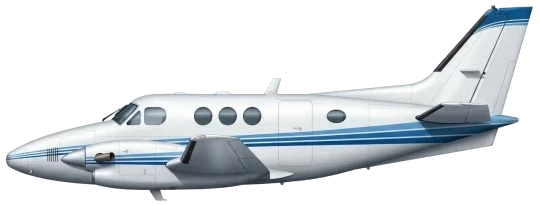
|
King Air 200 | 🇺🇸 United States | 1964 | 1 | — | — |
Venezuelan Military Aviation
| Aircraft | Origin | Model year | Active | Δ YoY | Ordered | |
|---|---|---|---|---|---|---|
| Combat | ||||||
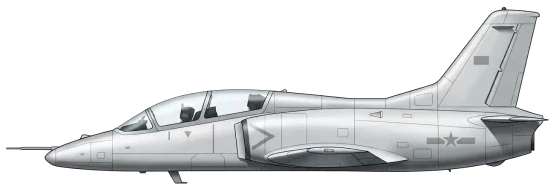
|
K-8 |
🇨🇳 China 🇵🇰 Pakistan |
1994 | 23 | — | — |
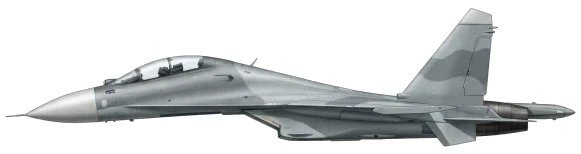
|
Su-30 | 🇷🇺 Ex-USSR | 1996 | 21 | — | — |
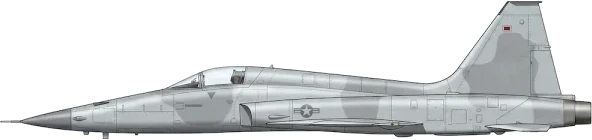
|
F-5A | 🇺🇸 United States | 1965 | 6 | — | — |
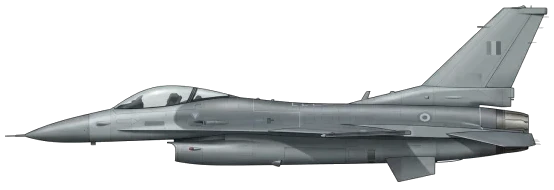
|
F-16A | 🇺🇸 United States | 1979 | 3 | — | — |
|
|
F-16B | 🇺🇸 United States | 1979 | 1 | — | — |
| Helicopter | ||||||
|
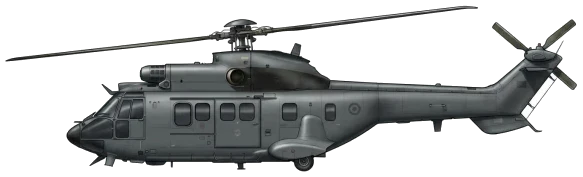
H215M/AS332/532 |
🇩🇪 Germany 🇫🇷 France |
1978 | 10 | — | — |
|
|
Mi-17 | 🇷🇺 Ex-USSR | 1977 | 6 | — | — |
| Transport | ||||||
|
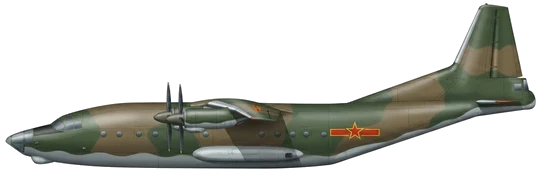
Y-8 | 🇨🇳 China | 1981 | 8 | — | — |
|
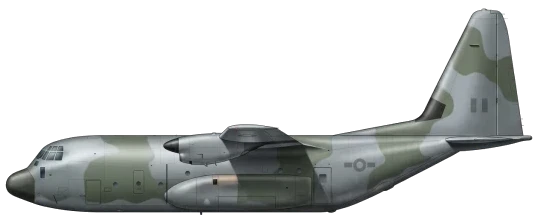
C-130H | 🇺🇸 United States | 1956 | 4 | +1 | — |
|
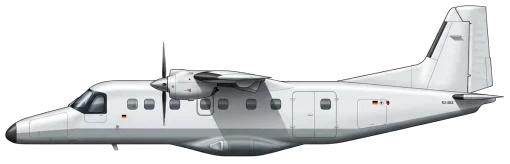
Dornier 228/NG | 🇩🇪 Germany | 1982 | 3 | — | — |
|
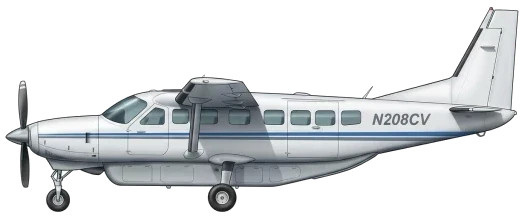
Cessna 208 | 🇺🇸 United States | 1984 | 2 | -1 | — |
|
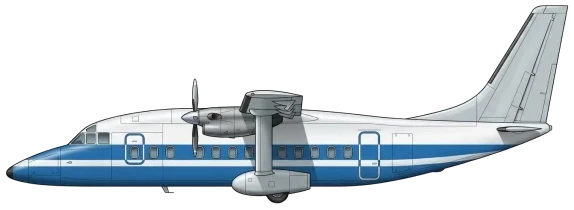
Short 360 | 🇬🇧 United Kingdom | 1982 | 2 | — | — |
|
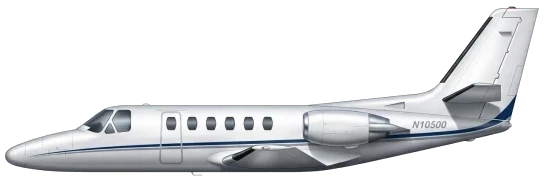
Citation II/SP | 🇺🇸 United States | 1971 | 1 | — | — |
|
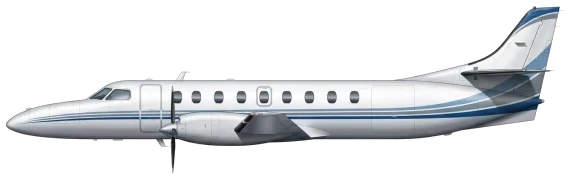
Merlin IV/Metro | 🇺🇸 United States | 1972 | 1 | — | — |
| Training | ||||||
|
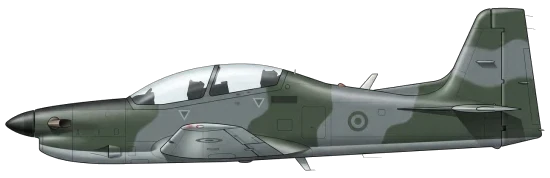
EMB-312 | 🇧🇷 Brazil | 1983 | 17 | — | — |
|
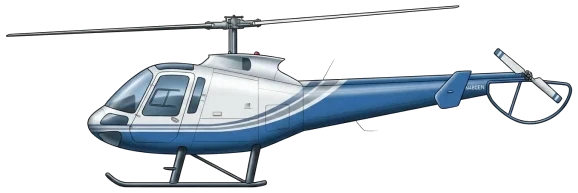
Enstrom 480 | 🇺🇸 United States | 1993 | 11 | -1 | +4 |
|
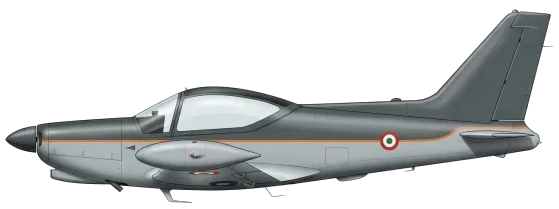
SF-260 | 🇮🇹 Italy | 1966 | 11 | — | — |
|
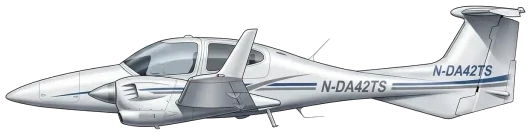
DA42 | 🇦🇹 Austria | 2004 | 6 | — | — |
|
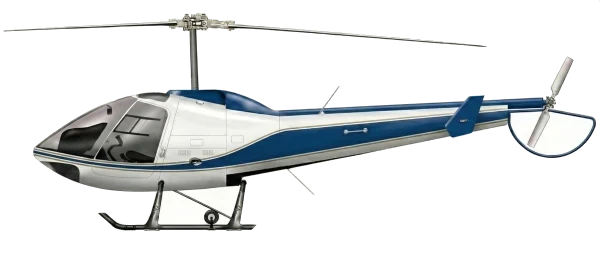
Enstrom 280 | 🇺🇸 United States | 1965 | 2 | — | — |
| Other | ||||||
|
|
King Air 200/350 | 🇺🇸 United States | 1964 | 5 | — | — |
|
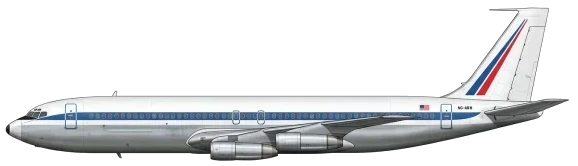
707 | 🇺🇸 United States | 1958 | 1 | — | — |
Venezuelan Naval Aviation
| Aircraft | Origin | Model year | Active | Δ YoY | Ordered | |
|---|---|---|---|---|---|---|
| Helicopter | ||||||
|
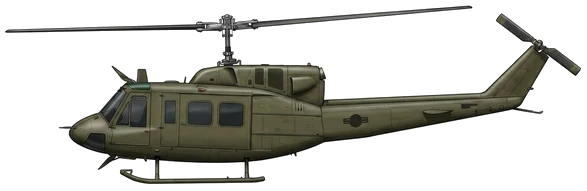
Bell 212/412 | 🇺🇸 United States | 1970 | 9 | — | — |
|
|
Mi-17 | 🇷🇺 Ex-USSR | 1977 | 6 | — | — |
|
|
Bell 206/TH-57A | 🇺🇸 United States | 1967 | 3 | — | — |
| Transport | ||||||
|
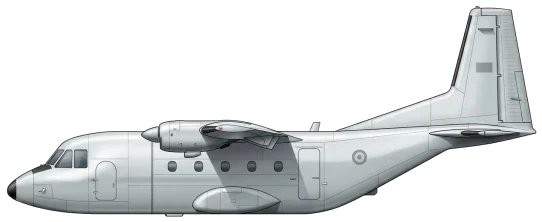
C212 | 🇪🇸 Spain | 1974 | 5 | — | — |
|
|
Cessna 208 | 🇺🇸 United States | 1984 | 1 | — | — |
|
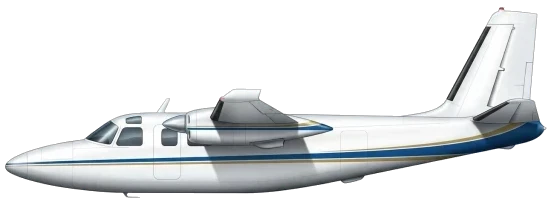
Turbo Commander | 🇺🇸 United States | 1952 | 1 | — | — |
| Other | ||||||
|
|
King Air 90/200 | 🇺🇸 United States | 1964 | 2 | — | — |
Overview
The Bolivarian Military Aviation of Venezuela (AMB) is structured to defend the nation's airspace but faces significant operational and maintenance challenges. Historically reliant on Western aircraft, its inventory is now a mix of legacy American-made platforms and newer Russian and Chinese systems. U.S. sanctions have severely impacted the sustainment of its F-16 fleet, leading to a pivot towards acquiring aircraft from other sources. This has resulted in a diverse and complex logistical chain. Control of some aviation assets, including helicopters, has reportedly been transferred to the army, altering traditional command structures.
Operational capabilities are severely degraded. A recent analysis indicated that more than 60% of the country's air surveillance and detection radar systems are out of service due to a lack of spare parts. The combat aircraft fleet operates at minimal levels, with low availability across its primary fighter and trainer platforms like the Su-30MK2, F-16s, and K-8W. This has left large portions of national airspace without effective coverage, undermining early warning and interception capabilities. Real air defense operability is reportedly concentrated around the capital, Caracas, and key government locations, suggesting a strategic focus on regime protection rather than comprehensive national defense.
Venezuela's strategic doctrine appears to be defensive and heavily politicized, prioritizing the security of the ruling government. The functional air defense assets, including newly acquired Iranian systems like Mohajer-6 drones, are deployed to protect the country's political leadership. A lack of logistical means for strategic deployment limits the AMB's capacity to project force beyond the country's central corridor. The force's readiness for a sustained conflict is questionable due to the combination of maintenance issues, sanctions, and reliance on external suppliers.
Efforts to renew the force have centered on acquisitions from Russia and China. Venezuela purchased Su-30MK2 multirole fighters from Russia to replace its aging fleet following a U.S. embargo on parts for its F-16s. There have been discussions about acquiring additional Russian aircraft, including the Su-35, though these have not materialized. The force has also incorporated Chinese K-8W trainer jets and has shown a willingness to acquire unmanned aerial vehicles from Iran.
Frequently Asked Questions
How many aircraft does Venezuela have?
How does Venezuela's air force rank globally?
How many combat aircraft does Venezuela operate?
How many military helicopters does Venezuela have?
What is the AIRS Index score of Venezuela?
Where does Venezuela get its military aircraft from?
- SEP 232026 Updated Mi-35M attack helicopters now linked to the Mi-35M page.
- SEP 232026 Updated C-130H Hercules fleet now counts four aircraft.
- SEP 232026 Updated Arava transport aircraft fleet corrected.
- SEP 82026 Updated Logged 1 crash from 2023
- SEP 32026 Updated Bell 412 fleet now linked to its own type page instead of the UH-1 Iroquois; Bell 212/412 fleet reassigned to the UH-1N Twin Huey family
- JUL 252026 Updated 2 fleet events recorded
- JUL 242026 Updated Y-8 fleet entry linked to its aircraft page