
Myanmar/ Burma Air Force
တပ်မတော် (လွှတ်လပ်ေသာ) လေကြောင်းတပ် (Tatmadaw (Luthtithapyay) Leikchin Tat) — The Myanmar Air Force (MAF) is structured primarily to support the army in counter-insurgency operations. Its core missions are providing close air support, transportation, and logistical reinforcement to ground forces engaged in …
Full inventory in 2026
31 aircraft typesMyanmar Air Force
| Aircraft | Origin | Model year | Active | Δ YoY | Ordered | |
|---|---|---|---|---|---|---|
| Combat | ||||||

|
K-8 |
🇨🇳 China 🇵🇰 Pakistan |
1994 | 37 | +1 | +24 |
|
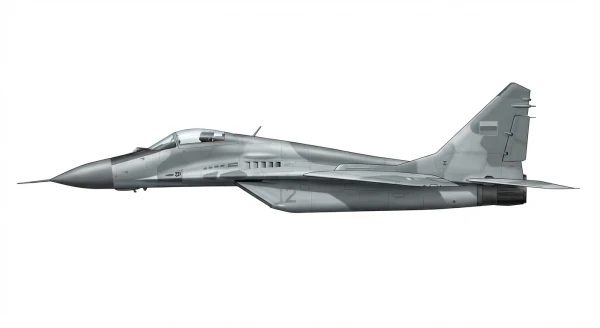
MiG-29 | 🇷🇺 Ex-USSR | 1983 | 37 | +4 | — |
|
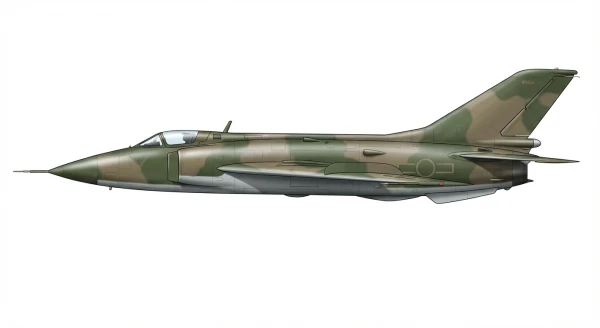
A-5 | 🇨🇳 China | 1970 | 20 | — | — |
|
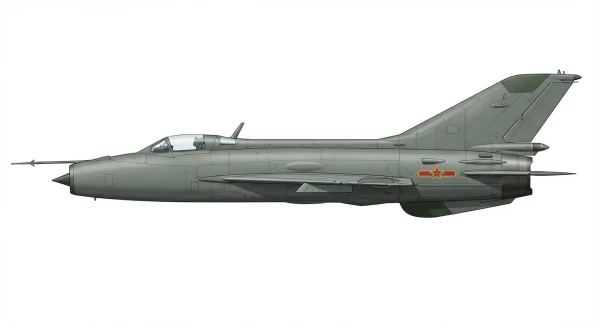
F-7 | 🇨🇳 China | 1966 | 18 | — | — |
|
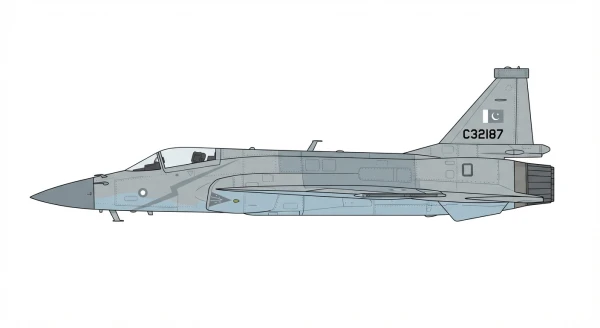
JF-17/B |
🇨🇳 China 🇵🇰 Pakistan |
2007 | 7 | — | +9 |
|
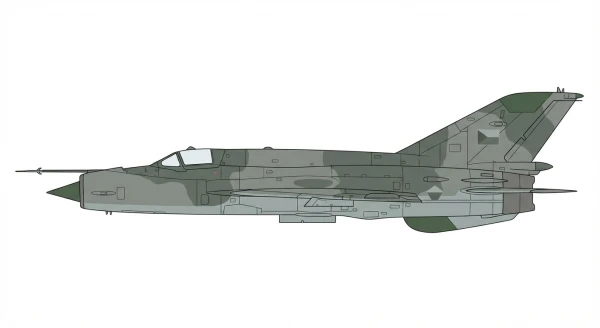
FT-7 | 🇷🇺 Ex-USSR | 1958 | 6 | — | — |
|
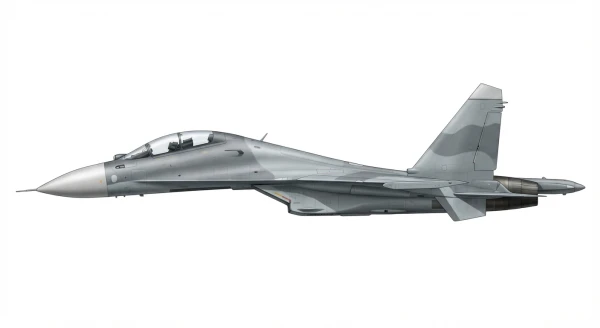
Su-30 | 🇷🇺 Ex-USSR | 1996 | 6 | +2 | — |
|
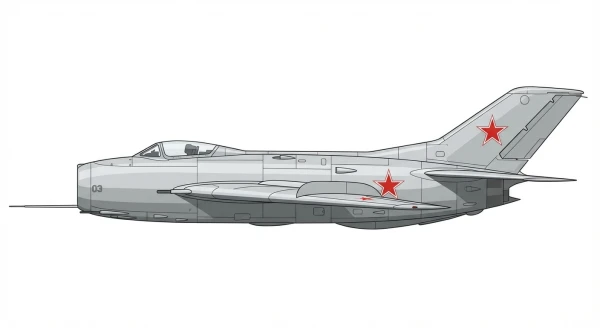
F-6 | 🇷🇺 Ex-USSR | 1955 | 1 | — | — |
| Helicopter | ||||||
|
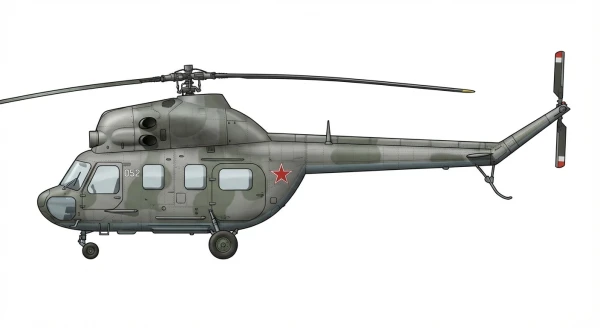
Mi-2 | 🇷🇺 Ex-USSR | 1965 | 22 | — | — |
|
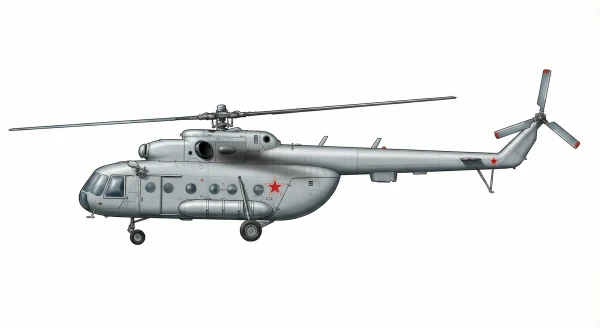
Mi-8/17 | 🇷🇺 Ex-USSR | 1967 | 15 | +2 | — |
|
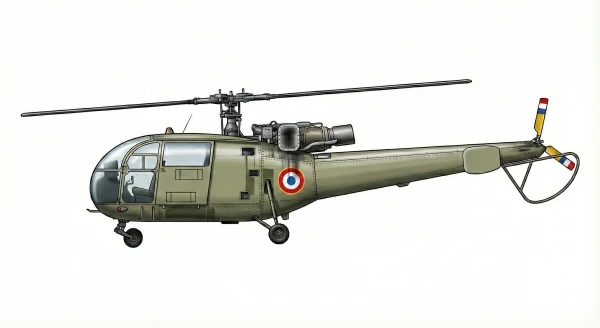
SA316/SE3160 | 🇫🇷 France | 1961 | 13 | — | — |
|
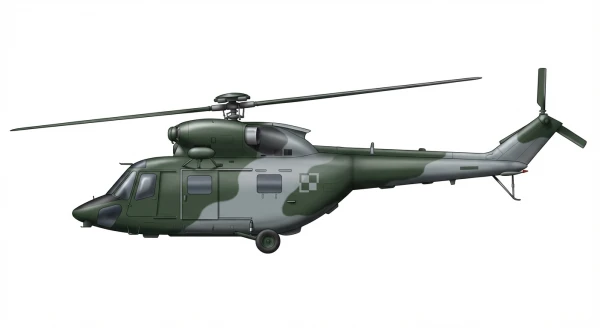
W-3 | 🇵🇱 Poland | 1986 | 12 | — | — |
|
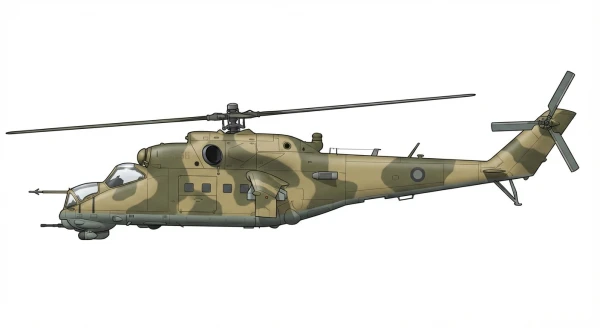
Mi-24 | 🇷🇺 Ex-USSR | 1972 | 9 | — | — |
|
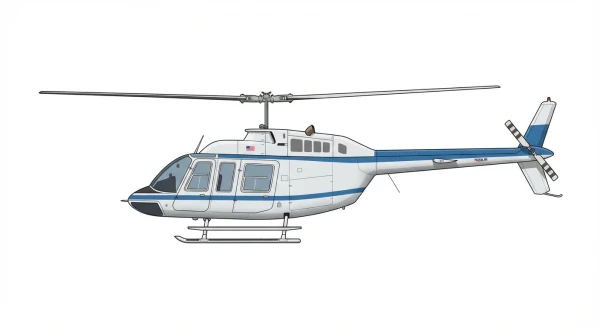
Bell 206 | 🇺🇸 United States | 1967 | 3 | — | — |
|
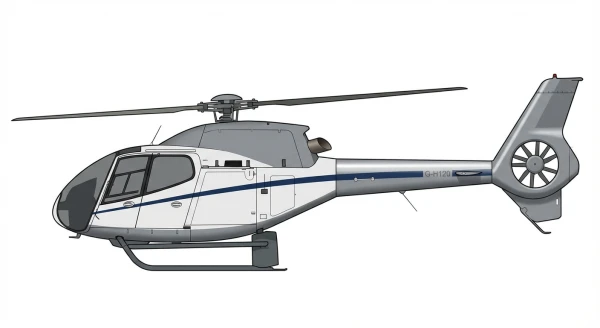
H120 | 🇫🇷 France | 1998 | 3 | — | — |
|
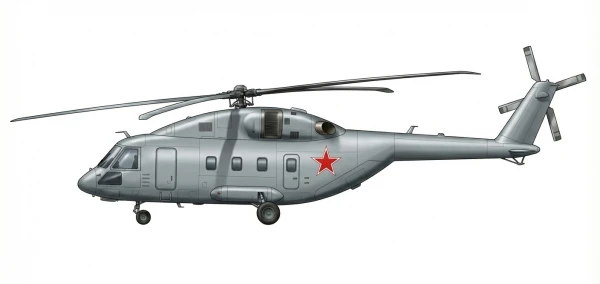
Mi-38 | 🇷🇺 Russia | 2019 | 3 | +3 | — |
|
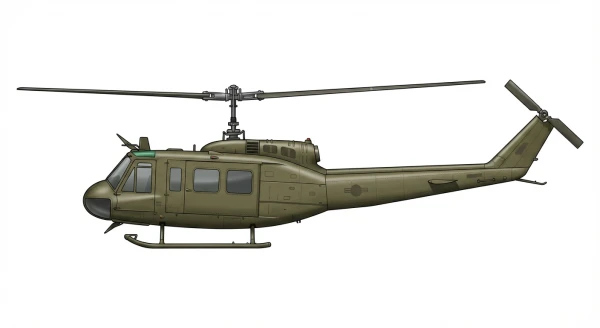
Bell 205 | 🇺🇸 United States | 1959 | 2 | — | — |
|
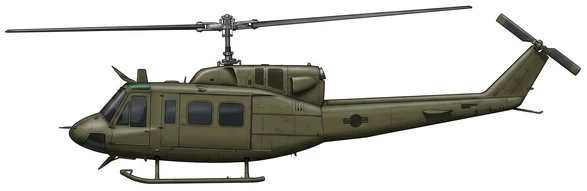
Bell 212 | 🇺🇸 United States | 1970 | 1 | — | — |
| Transport | ||||||
|
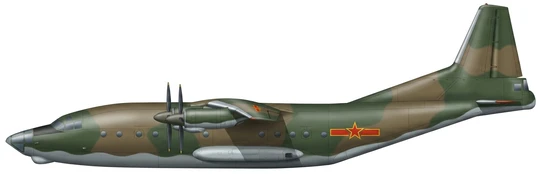
Y-8 | 🇨🇳 China | 1981 | 8 | +3 | — |

|
Beech 1900 | 🇺🇸 United States | 1984 | 7 | — | — |
|
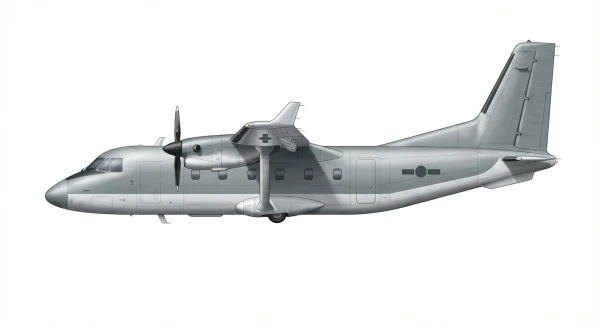
Y-12 | 🇨🇳 China | 1985 | 7 | — | — |
|
ATR 42/72 |
🇫🇷 France 🇮🇹 Italy |
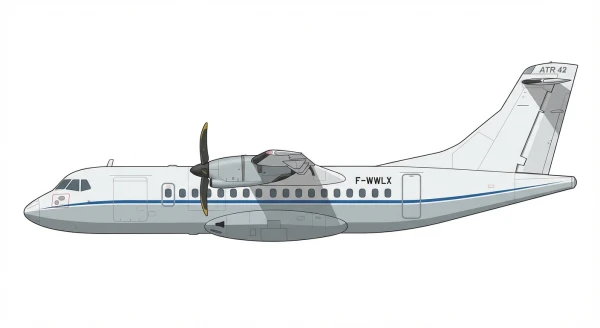
1985 | 6 | — | — |
|
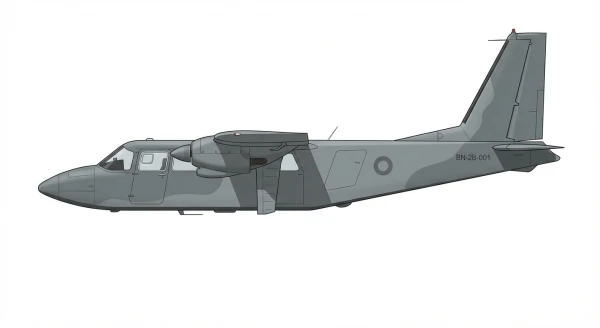
BN-2 | 🇬🇧 United Kingdom | 1965 | 5 | — | — |
|
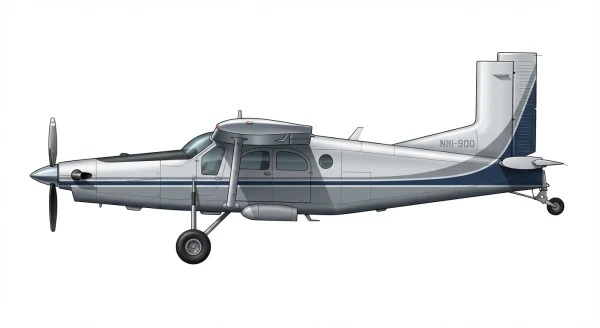
PC-6 | 🇨🇭 Switzerland | 1960 | 5 | — | — |
| Training | ||||||
|
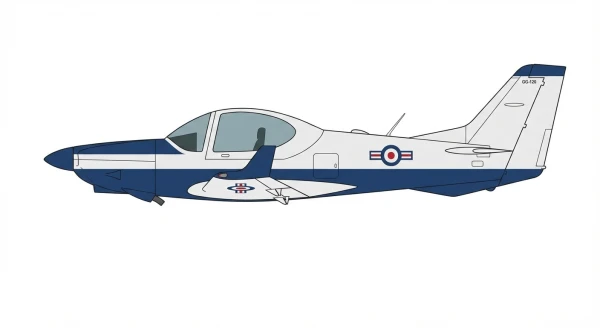
G120TP | 🇩🇪 Germany | 1999 | 20 | — | — |
|
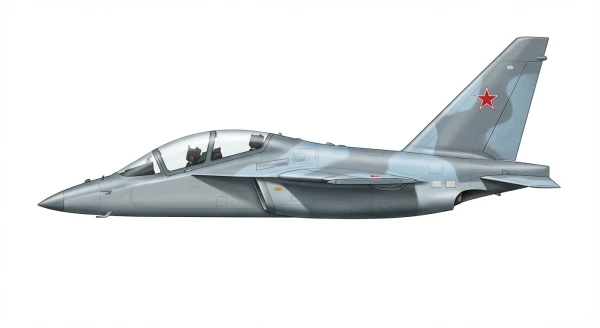
Yak-130 | 🇷🇺 Russia | 2010 | 20 | +2 | — |
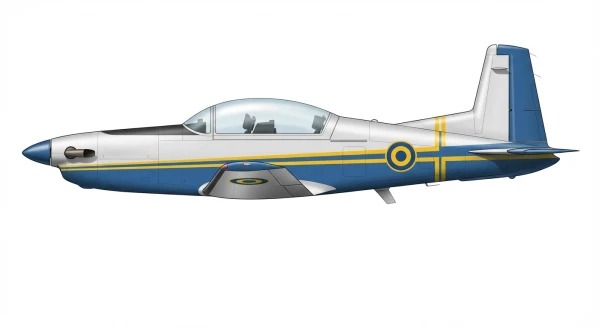
|
PC-7 | 🇨🇭 Switzerland | 1978 | 16 | — | — |
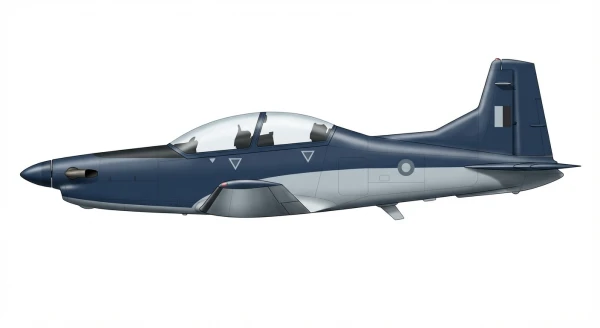
|
PC-9 | 🇨🇭 Switzerland | 1987 | 10 | — | — |
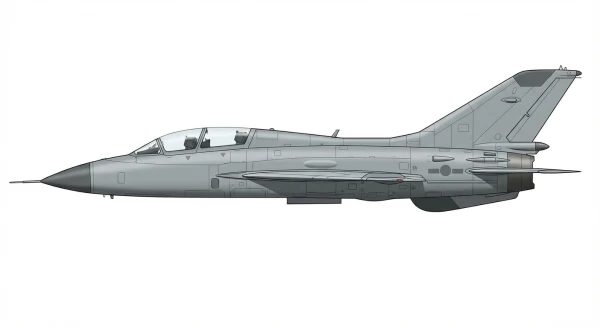
|
FTC-2000 | 🇨🇳 China | 2013 | 8 | +3 | — |
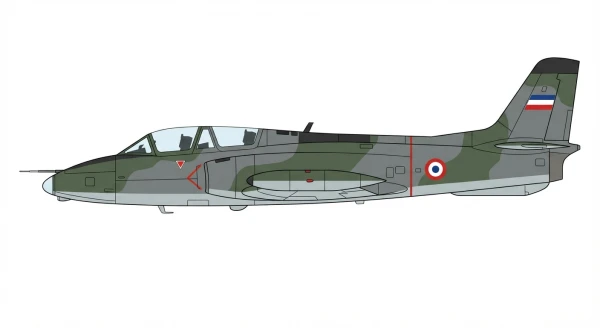
|
G-4 | 🇷🇸 Ex-Yugoslavia | 1965 | 5 | — | — |
United Wa State Army
Overview
The Myanmar Air Force (MAF) is structured primarily to support the army in counter-insurgency operations. Its core missions are providing close air support, transportation, and logistical reinforcement to ground forces engaged in internal conflicts. The force is organized into squadrons, typically with 12-16 aircraft each, operating from several main air bases, including Magwe, Tada-U, and Hmawbi, supplemented by smaller airfields to support deployments across the country. Command and control for major strategic campaigns are directed by a Joint Operations Command. However, authority for requesting air support has become increasingly decentralized to regional military commands, allowing for more rapid battlefield coordination.
The MAF's strategic doctrine is overwhelmingly focused on internal security and power projection against a wide array of ethnic armed organizations and post-coup resistance forces. Its operational capabilities are centered on ground-attack and transport. Since the 2021 military coup, the MAF has dramatically increased its operational tempo, employing air power as a critical tool to counter territorial losses and attack opposition strongholds. This has included frequent airstrikes on civilian-populated areas.
Recent engagements demonstrate an adaptive, if brutal, approach. The air force utilizes a mix of light attack aircraft like the Yak-130 and K-8, alongside more advanced JF-17 and MiG-29 jets for both offensive and defensive missions. A significant development is the modification of transport aircraft, such as the Y-12, for bombing roles, with bombs being manually dropped by soldiers on board. Attack and transport helicopters are often integrated directly within regional army command structures. These aerial operations are sustained by a network of key air bases that remain under firm military control, ensuring a steady supply of munitions.
Efforts to maintain and enhance capabilities rely on hardware sourced primarily from Russia and China. The acquisition of multirole fighters like the JF-17 and Su-30, and advanced trainers such as the Yak-130, indicates a continued focus on bolstering ground-attack capabilities. The force also integrates assets into the Myanmar Integrated Air Defence System (MIADS), a tri-service network developed with Russian, Ukrainian, and Chinese assistance. Due to international sanctions, obtaining spares and maintaining aircraft of non-Chinese origin presents a significant logistical challenge, impacting overall fleet serviceability.