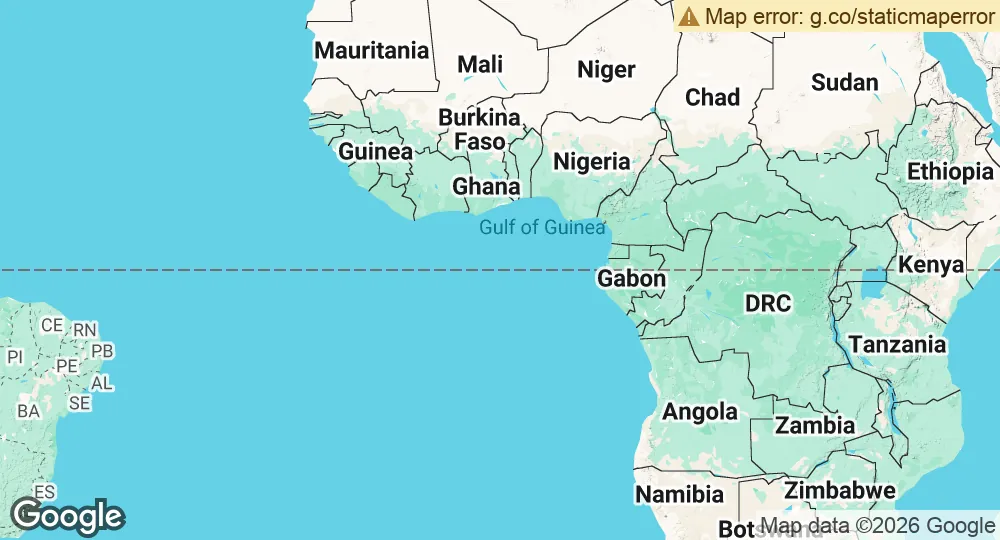
Ex-USSR ranks #129 of 170 in the ATLAS Index (Aggregate Total of Land, Air and Sea strength) with a score of 10.1/100. The ATLAS Index scores Ex-USSR's overall capability on a 0–100 scale from verifiable data across six pillars: manpower, ground forces, naval power, air power, nuclear deterrent and defense budget, each conventional pillar read after the availability proxy of its branch index (budget per point of the force).
The security architecture of the post-Soviet space is characterized by a definitive transition from Russian-centered hegemony toward a multipolar landscape defined by high-intensity conflict in Eastern Europe and diversifying alliances in Central Asia and the Caucasus.
Strategic Position
The regional security environment is dominated by the ongoing Russo-Ukrainian War, which has effectively bifurcated the former Soviet sphere into competing blocs. The primary alliance structures include:
Collective Security Treaty Organization (CSTO): As of 2026, Russia maintains its leadership of this pact, which includes Belarus, Kazakhstan, Kyrgyzstan, and Tajikistan. Armenia has functionally frozen its participation following the 2024 withdrawal of Russian border guards and the 2025 US-brokered peace agreement with Azerbaijan, which bypassed traditional Russian mediation frameworks.
NATO and Western Integration: The Baltic states (Estonia, Latvia, and Lithuania) remain fully integrated into NATO and serve as the alliance's primary forward-defense flank. Ukraine holds candidate status for both the European Union and NATO, while Moldova continues to align its security posture with European integration goals.
Multi-vector Diplomacy: Central Asian states, particularly Kazakhstan and Uzbekistan, have increased security cooperation with Turkey and China to offset Russian influence. Azerbaijan maintains a strategic defense partnership with Turkey and Israel.
Military Forces
The regional military balance has shifted significantly due to three years of high-attrition warfare between the two largest successor states.
Russian Federation: The Russian Armed Forces operate with a target strength of approximately 1.5 million active personnel. Ground forces utilize T-90M, T-80BVM, and T-72B3M main battle tanks, though heavy attrition has necessitated the deployment of refurbished Soviet-era stocks. The Aerospace Forces maintain a fleet of Su-35 and Su-30SM fighters, alongside Su-57 fifth-generation platforms. Russia maintains a complete nuclear triad and has recently integrated the Oreshnik intermediate-range ballistic missile (IRBM) into its operational doctrine.
Ukraine: The Armed Forces of Ukraine (AFU) maintain an active strength of approximately 900,000 personnel. The force structure has transitioned to a hybrid inventory, fielding Western platforms such as F-16 fighters, Leopard 2 and M1 Abrams tanks, and Patriot air defense systems alongside modernized domestic and Soviet-origin equipment. Specialized branches include the Unmanned Systems Forces, which manage a fleet of strike and reconnaissance drones.
Central Asian and Caucasus States: These nations are increasingly modernizing their air and ground assets with non-Russian technology. Kazakhstan and Kyrgyzstan operate Turkish-manufactured Bayraktar TB2 and Akinci UAVs. Azerbaijan fields a sophisticated drone and precision-missile inventory of Turkish and Israeli origin.
Defense Industry
The defense industrial base (DIB) in the region is undergoing rapid expansion and technological divergence.
Russia: State corporations such as Rostec have moved to a long-term war footing. Production is focused on armored vehicles, electronic warfare (EW) systems, and glide bombs. Russia relies on imports and co-production of loitering munitions from Iran and shells from North Korea to sustain artillery volumes.
Ukraine: The domestic defense industry has reached a production capacity of approximately $35 billion as of 2026. Domestic output includes uncrewed surface vessels (USVs), long-range strike drones, and the Stugna-P anti-tank guided missile. International joint ventures with European and US firms are localized for the production of armored vehicles and ammunition.
Central Asia: Kazakhstan has established local production lines for Turkish-designed armored vehicles, including the Otokar Tulpar tracked platform, as of 2025.
Strategic Trends
Attrition and Mobilization: Defense spending in Russia and Ukraine remains above 6% and 30% of GDP respectively, placing strain on labor markets and civilian industrial capacity. Both states face persistent challenges in personnel recruitment and long-term equipment sustainability.
Unmanned Systems and EW: Combat operations are increasingly defined by the mass deployment of FPV (First-Person View) drones and specialized electronic warfare units capable of jamming satellite-guided munitions.
Shift in Hegemony: The cessation of Russian peacekeeping in Nagorno-Karabakh and the 2025 US mediation between Baku and Yerevan reflect the diminishing role of Russia as the region’s primary security arbiter. Central Asian states are increasingly participating in Turkic-centered defense platforms led by Ankara.
Population, GDP, Inflation and Personnel: World Bank.
Military Expenditure: information from the Stockholm International Peace Research Institute (SIPRI) Military Expenditure Database.
Last updated on 4 August 2026.
Suggest a change
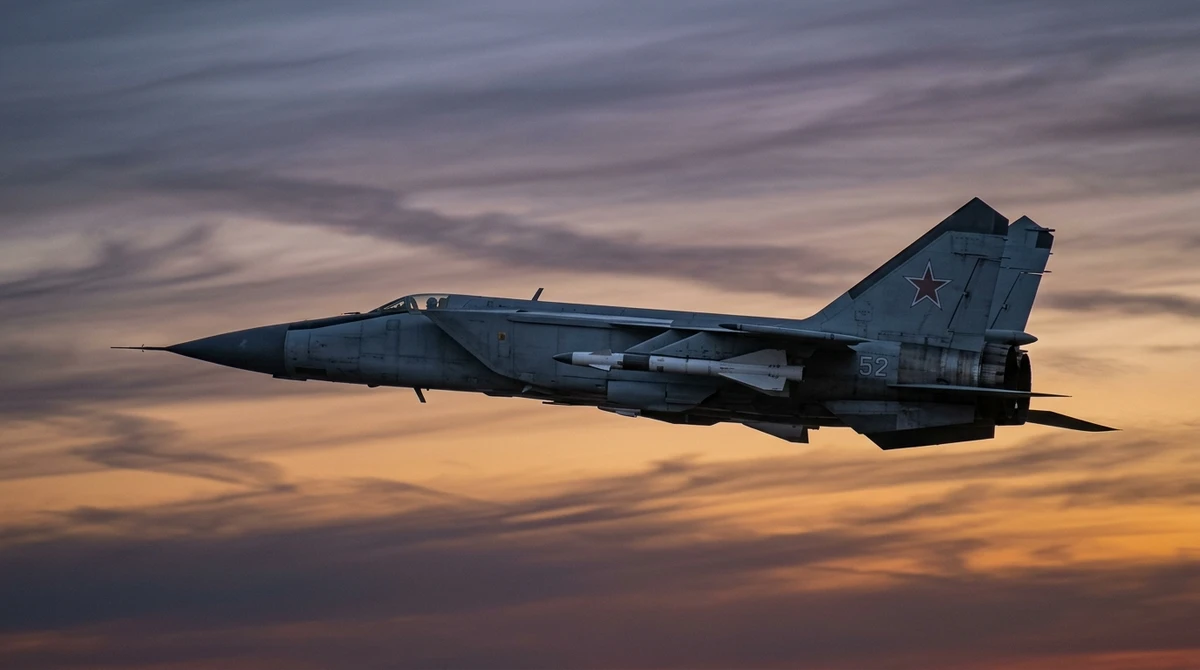
This Sunday marks 50 years since a Soviet Air Defense Forces lieutenant flew a MiG-25P interceptor from Chuguyevka Air Base to Hakodate Airport in Hokkaido on 6 September 1976, giving the United States and Japan their first close look at the fastest combat aircraft in the Soviet inventory.
🇯🇵🇷🇺🇺🇸
Frequently Asked Questions
How large is Ex-USSR's military?
Ex-USSR has 4,900,000 active military personnel with an additional 12,750,000 in reserve. This includes army, navy, and air force service members.
How does Ex-USSR rank militarily in the world?
Ex-USSR ranks #129 globally on the ATLAS Index with a score of 10.1 out of 100. This composite index measures military capability across manpower, ground forces, naval power, air power, nuclear deterrent, and defense budget, adjusted for equipment quality and readiness.
Does Ex-USSR have nuclear weapons?
No, Ex-USSR does not possess nuclear weapons and is a non-nuclear weapon state.
Latest Data Updates
AUG 42026UpdatedGlobal Military Index updated in a site-wide editorial pass
JUL 272026UpdatedFlag updated
JUL 162026UpdatedGlobal Military Index updated in a site-wide editorial pass